



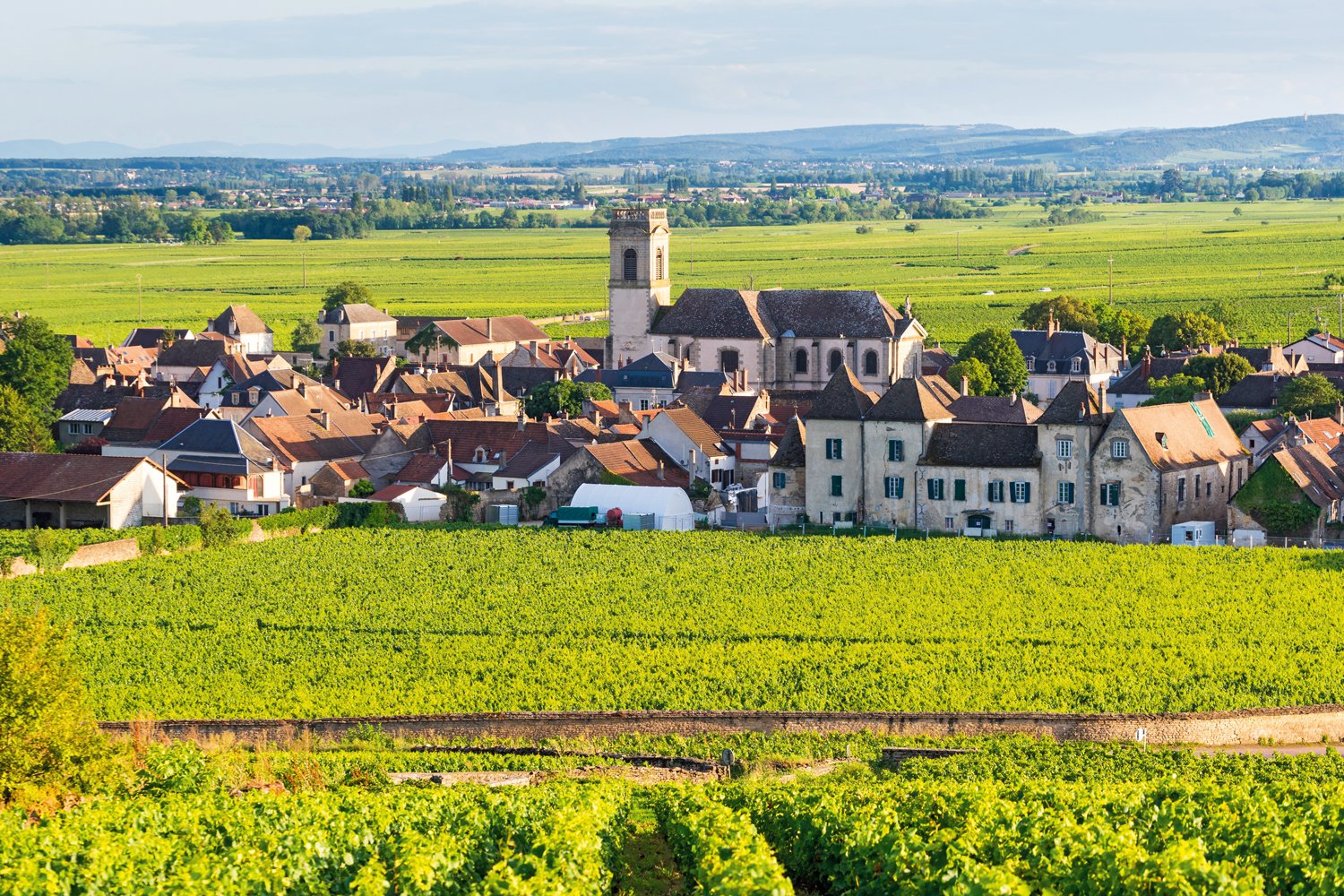

Burgundy is France in full flavour. Indeed, it’s a region for sipping; its signature grapes, Pinot Noir and Chardonnay, produce some of the most celebrated vintages in the world. But, it’s also one for savouring. Its culinary heritage includes cassis (blackcurrants) turned into sweet syrups and sharp vinegars; spiced pain d’épices (gingerbread) imported by Crusaders; garlicky snails, bœuf Bourguignon (stewed beef) and sharp mustard served with proud regularity.
With all this, is there room for another pleasure? Bien sûr, cheese. Start exploring and you’ll quickly find yourself drawn into a world of curds, caves and culture.
On a recent trip to Beaune, Dijon and around, I followed the scent of ripe rounds through cobbled towns and stone-lined cellars, discovering that fromage here isn’t just food; it’s living heritage, shaped by time-worn traditions and generational craft. Many of the region’s cheeses are still made in small batches by family-run farms, with several carrying Appellation d’Origine Protégée (AOP) status – a mark that ties each round to its specific place and practice. It’s said that France has “a cheese for every day of the year,” but in truth, the count soars past 3,000. Burgundy is by no means the most prolific, but its local varieties deliver bold, unforgettable expressions of terroir.
In under a week, I made serious inroads into its offerings. Narrowing it down to just five favourite cheeses, however, was no easy feat.
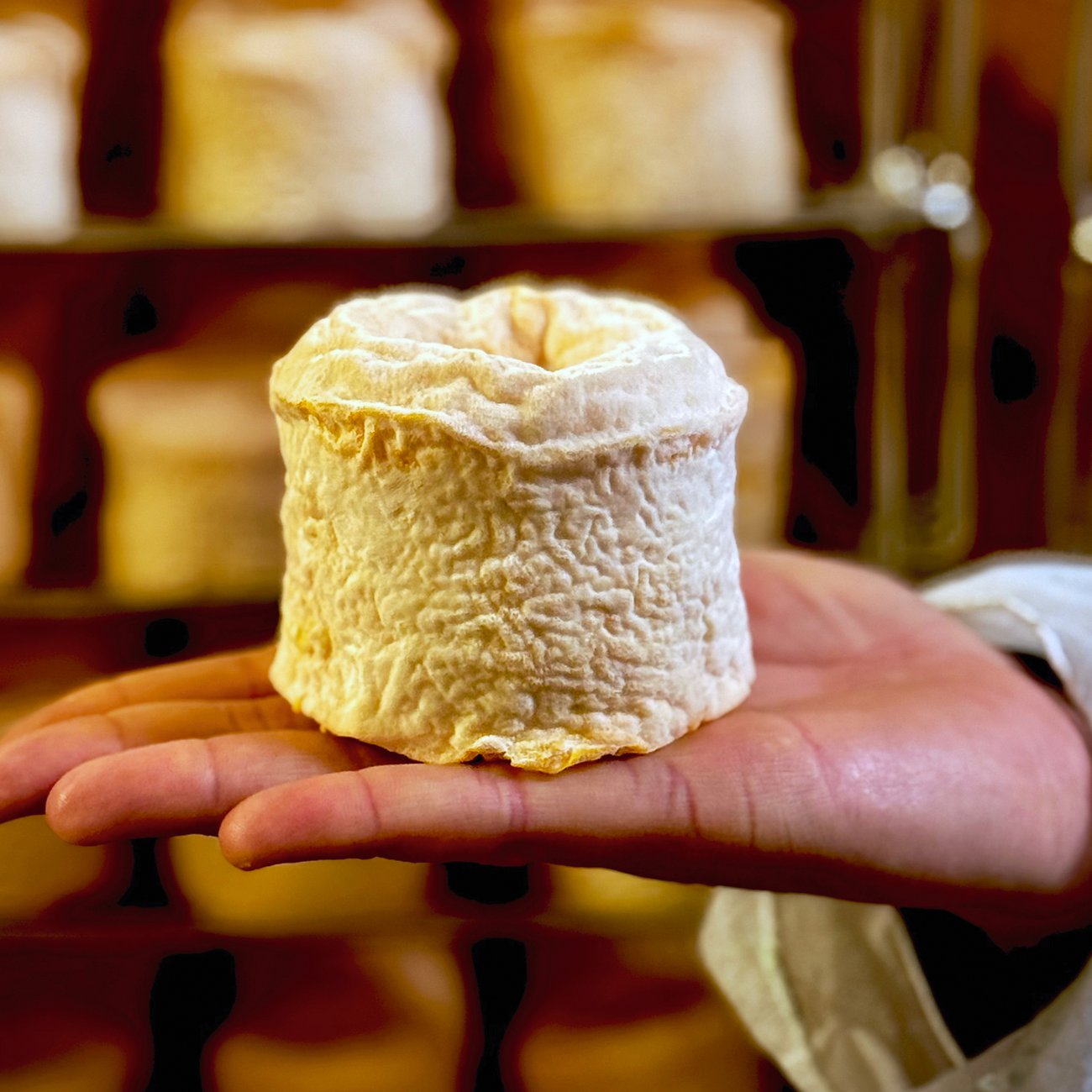
Langres, a washed-rind cow’s milk cheese, is instantly recognisable with its signature dip or “fountain”
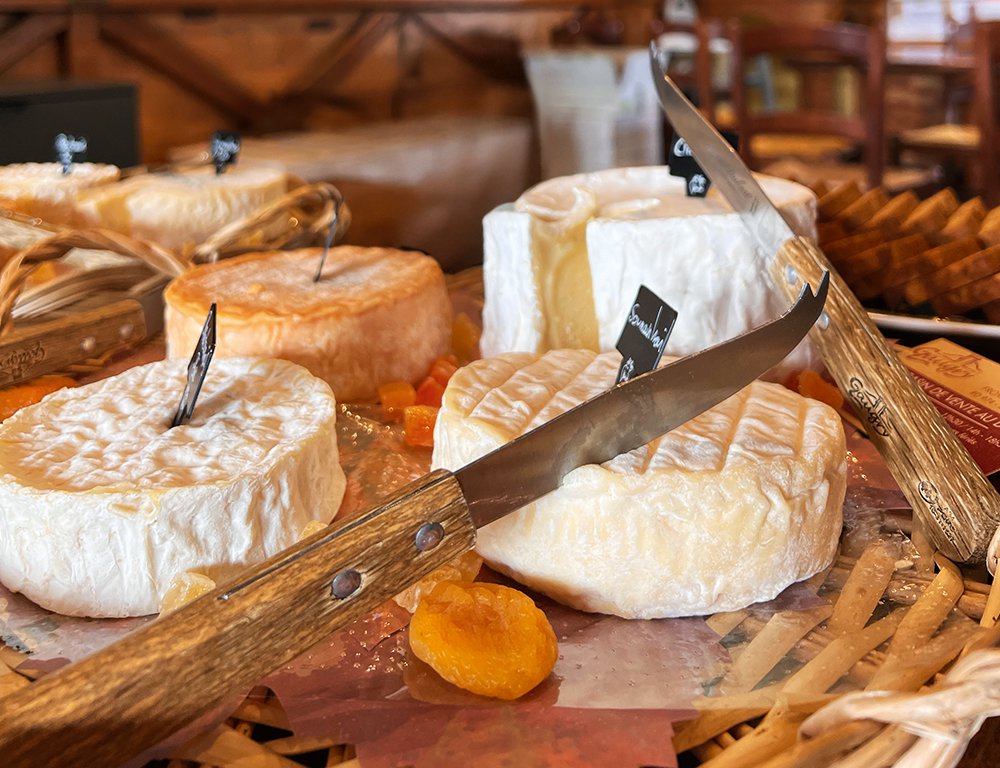
A traditional farmhouse cheese, Soumaintrain carries a delicate floral aroma
ÉPOISSES
Named after the village where it originated, Époisses is arguably Burgundy’s most iconic cheese – robust, unctuous and steeped in history. First made by Cistercian monks at the Abbaye de Cîteaux in the 16th century, it became a court favourite during Napoleon’s reign. Its signature comes from a careful washing process during ageing, which encourages the development of its sticky orange rind and famously pungent aroma. Don’t be put off by the smell – inside is a silky, spoonable centre that’s earthy, meaty and deeply savoury. Once nearly lost to history after the World Wars, Époisses was revived by Simone and Robert Berthaut and today stands proud with AOP status.
Try it! Founded in 1946 by Raymond Gaugry, family-run Fromagerie Gaugry near Dijon is a must-visit for lovers of Burgundy’s washed-rind cheeses. Now in its third generation, Gaugry remains the only producer of raw milk Époisses AOP. Visitors can explore the production through panoramic galleries, learn about its history and enjoy a tasting of “The King of Cheese” along with Soumaintrain – more on this below. Additionally, at Germain Fromagerie, you can taste traditional Époisses made with care and heritage dating back over 100 years. Founded by Henri Germain, the dairy champions rare cow breeds and artisanal methods. Visit their boutique in Vaux-sous-Aubigny.
BRILLAT-SAVARIN
Named after the legendary French gastronome Jean Anthelme Brillat-Savarin, this decadent triple-cream cheese is one of Burgundy’s most indulgent creations. Originally devised in the 1930s by Parisian cheesemonger Henri Androuët, it was made to honour the man who famously said, “Tell me what you eat, and I will tell you what you are.”
Crafted from cow’s milk and enriched with extra cream, Brillat-Savarin boasts a luscious 75 per cent fat content in dry matter, yielding a texture so silky it spreads like room-temperature butter. It begins life as a lactic-set curd, enriched with cream before maturation. When young and fresh, its flavour is sweet and tangy, with delicate notes of fresh milk and a gentle acidity.
As it matures, a bloomy white rind forms, wrapping around a pale, whipped centre that develops subtle aromas of mushroom, fresh hay and even hazelnut. The longer it ages,the more complex its profile becomes – while always retaining its signature suppleness and creamy mouthfeel. Granted Protected Geographical Indication (PGI) status in 2017, Brillat-Savarin is now produced across Burgundy and the southern Île-de-France.
Try it! Fromagerie Delin, based in Gilly-lès-Cîteaux, has crafted regional cheeses for over 50 years. At Les Halles de Gilly, their gourmet market, you’ll find local delights including their signature Brillat-Savarin. If you’re a fan of triple-cream cheeses, a close second worth discovering is Pavé d’Affinois’ double-cream cheese, made by Fromagerie Guilloteau. It hits around 60 per cent butterfat and uses ultrafiltered milk for an exceptionally silky texture.
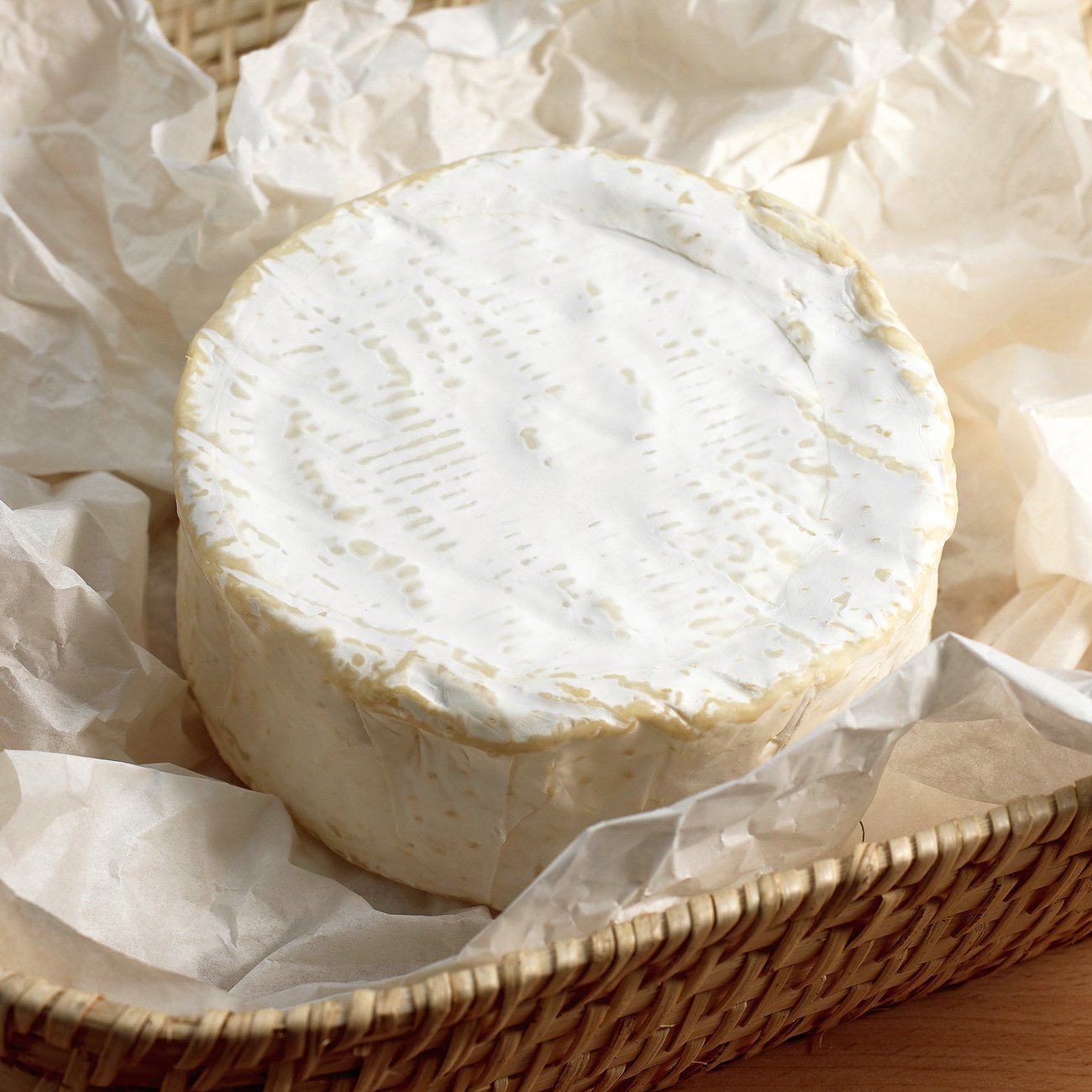
Brillat-Savarin contains 75 per cent fat, resulting in silky perfection
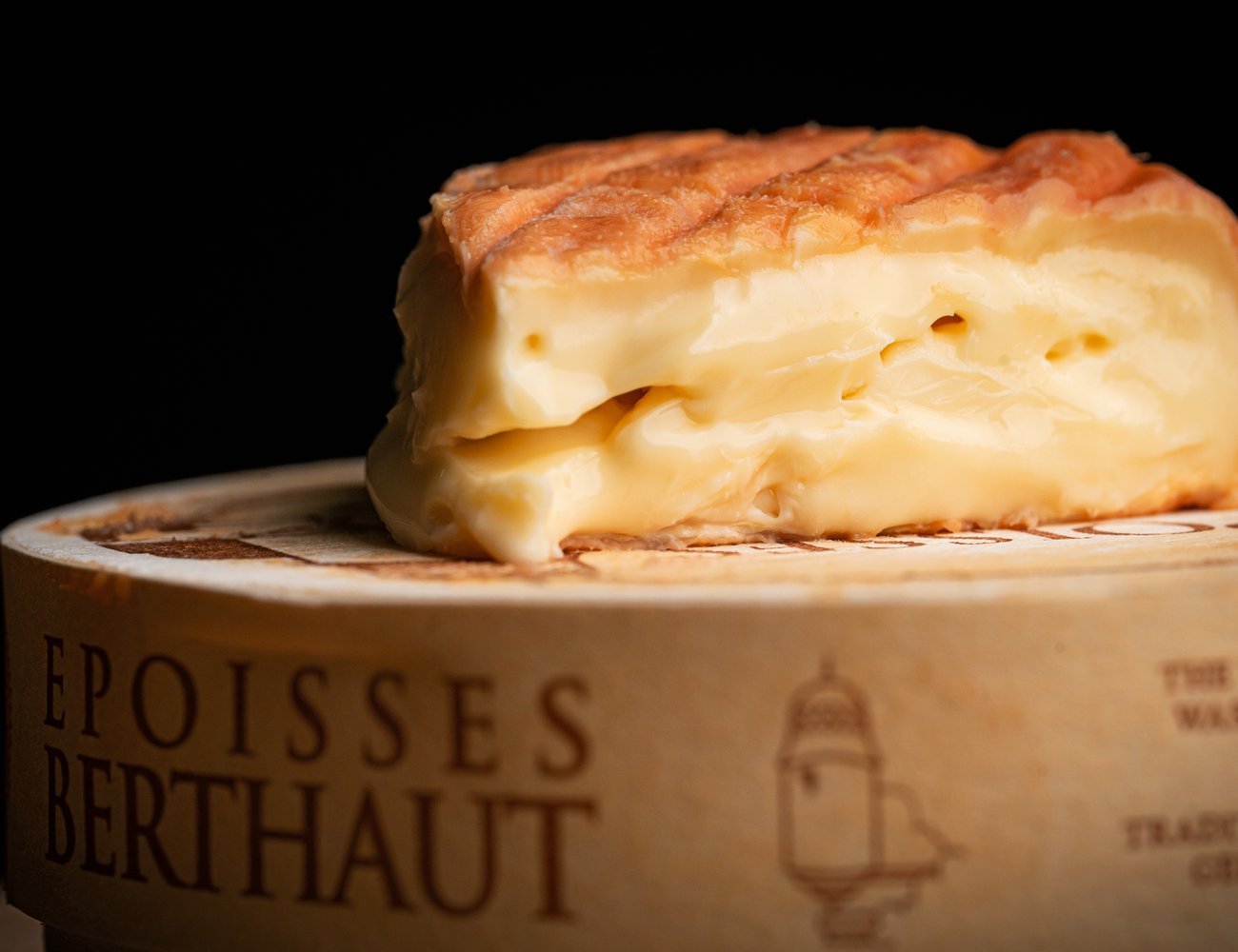
With a sticky orange rind and pungent aroma, Époisses is Burgundy’s most iconic cheese
DÉLICE DE POMMARD
Délice de Pommard is a rare triple cream cow’s milk cheese made exclusively in the village of Pommard, Burgundy. Rich and buttery with a luxuriously smooth texture, this indulgent cheese is rolled in the crushed shells of brown mustard seeds, adding a bright, tangy contrast to its velvety interior. The result is a distinctive blend of creaminess and spice that’s both elegant and moreish.
Try it! Famed affineur Alain Hess created Délice de Pommard. You can taste it (and the truffled version) at his eponymous decadent Fromagerie in Beaune, in a vaulted cellar beneath. It’s best spread generously on crusty baguette! Don’t leave without sampling the Royal Truffe, too.
LANGRES
Hailing from the Haute-Marne area on the edge of Burgundy, Langres is instantly recognisable by its signature dip or “fountain” – a small hollow in the top where, traditionally, local cream or brine would pool as it matured. This washed-rind cow’s milk cheese develops a glossy orange coat and a distinctly heady aroma, but the interior remains surprisingly mild, dense and creamy with gentle tang. Less pungent than Époisses but still full of character, Langres softens with age, becoming almost spoonable. Its story stretches back to the Middle Ages, when local farmers created it from leftover milk as a way to preserve dairy. By the 18th century, it was being sold in regional markets, and in 1991, it earned AOP.
Try it! For something special, look out for the hollow-crowned beauties from Remillet Ferme & Fromagerie. This is the last farmhouse producer of AOP Langres using raw milk. A father-daughter duo oversees the cheesemaking process while relatives run the dairy – true “milk to mould under one roof”. Seasonal and artisanal, each batch reflects the rhythm of the land and time-honoured tradition.
SOUMAINTRAIN
Handmade by local producers for over a century, Soumaintrain is a traditional farmhouse cheese from the Yonne in Burgundy, made with raw cow’s milk and recognised under the PGI label. This soft, washed-rind cheese is matured with repeated brine washes, giving it a wrinkled, white-to-orange rind and a gentle floral aroma. The paste is smooth, pale and creamy, with a rich, sweet and slightly tangy flavour that intensifies with age. Raw milk versions have a more pronounced lactic depth, while pasteurised alternatives are milder.
Try it! Fromagerie Gaugry is the place to go! Definitely book a tasting class, but don’t miss the shop for more cheeses (Brochonais and Chaource were my favourites), local delicacies and vintage cheesemaking tools.
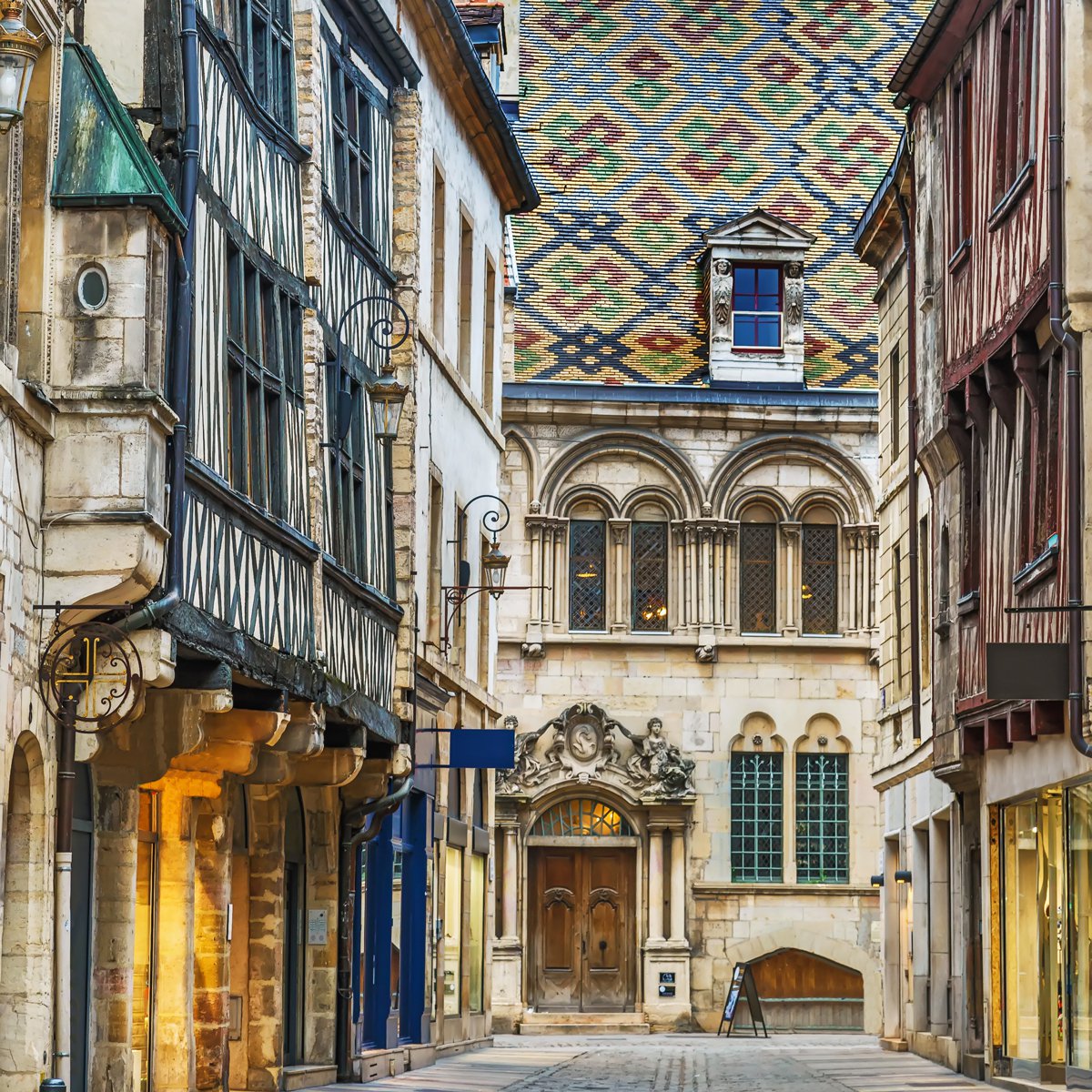
The historical centre of the city of Dijon is a UNESCO World Heritage Site
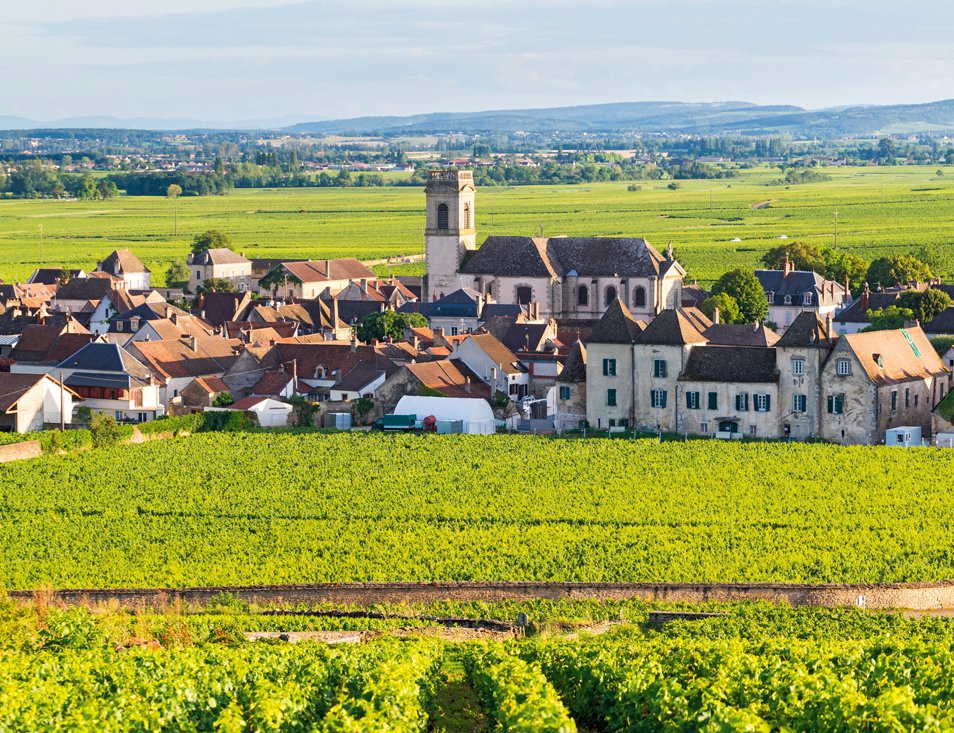
The town of Beaune is the epicentre of Burgundy’s gastronomic and wine culture
DON’T MISS
At Dijon’s Cité de la Gastronomie, 1,750m² of vibrant exhibition space celebrates France’s culinary heritage through videos, theatre and interactive displays. Explore the secrets of French pâtisserie, wander the historic Chapelle des Climats with immersive stories, and browse gourmet boutiques selling cheese, mustard, chocolate and more.
WHERE TO DINE IN BURGUNDY
Loiseau des Vignes in Beaune delivers Bernard Loiseau (legendary French chef) finesse with a bistro soul – stone walls, velvet banquettes and a Burgundy-driven beverage list with every glass poured with care. Listed in the Michelin Guide for its refined yet accessible cooking, the restaurant champions regional classics. Go straight for the œufs en meurette and the sole meunière for two. And the Paris-Beaune dessert with praline cream and caramelised hazelnuts is parfait!
Bulle d’Osier in Langres offers a Michelin-starred retreat set in a former officers’ mess. Here, Valentin Loison crafts a garden-first, forest-inspired tasting menu shaped by foraging, local livestock and freshwater fish killed using the Japanese ikejime technique. Expect dishes such as trout belly with black radish, pike perch with sudachi, and goat’s milk ice cream with Jerusalem artichoke and caviar.
Cave in Dijon, across the street from Angelo Ferrigno’s CIBO, is an unstarred gem with a fiercely local heartbeat. Courgette flower tempura, trout, charcuterie sliced to order and cheeses chosen by MOF Marc Janin make up a short, smart menu.