



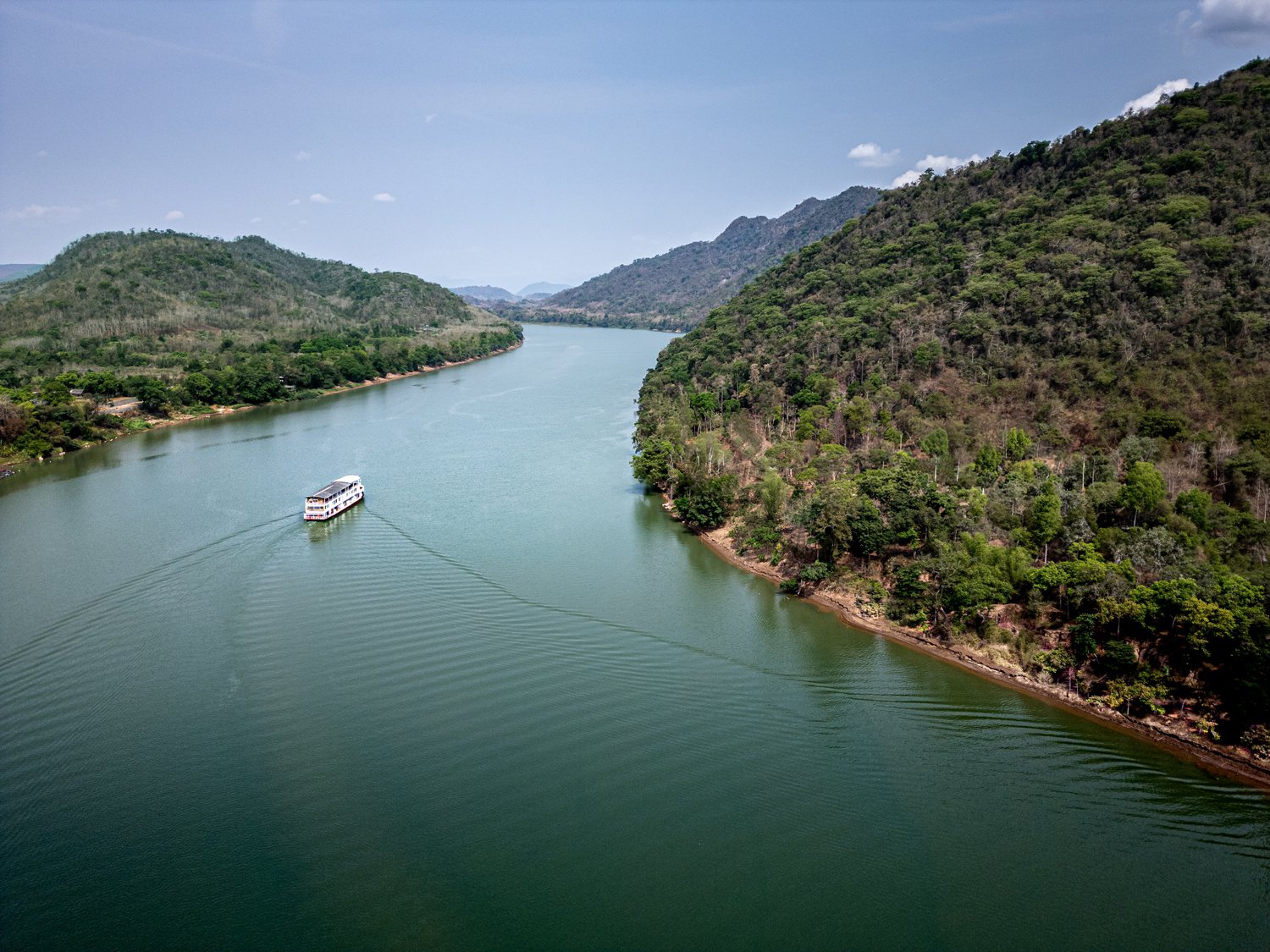

A thick blanket of mist covers the Mekong River as an inky darkness descends all around the Bohème river boat, anchored securely to a couple of massive tree trunks on the bank of the river. The only light comes from the vessel, illuminating the water around the hull, as an all-consuming silence cocoons us. An owl perched on a tree nearby hoots softly at brief intervals as my head sinks into a plush pillow for a dreamless sleep. Launched in December 2024, Bohème is a 50-metre luxury river boat with 13 fully equipped air-conditioned cabins and a spacious dining room as well as two spa treatment rooms. It’s owned by Mekong Kingdoms, a luxury river cruise operator, which crafts bespoke itineraries ranging from two to five nights. This allows guests to explore the region at a leisurely pace beginning in Vientiane, the Laotian capital, or Luang Prabang situated at the confluence of the Mekong and its tributary, the Nam Khan.
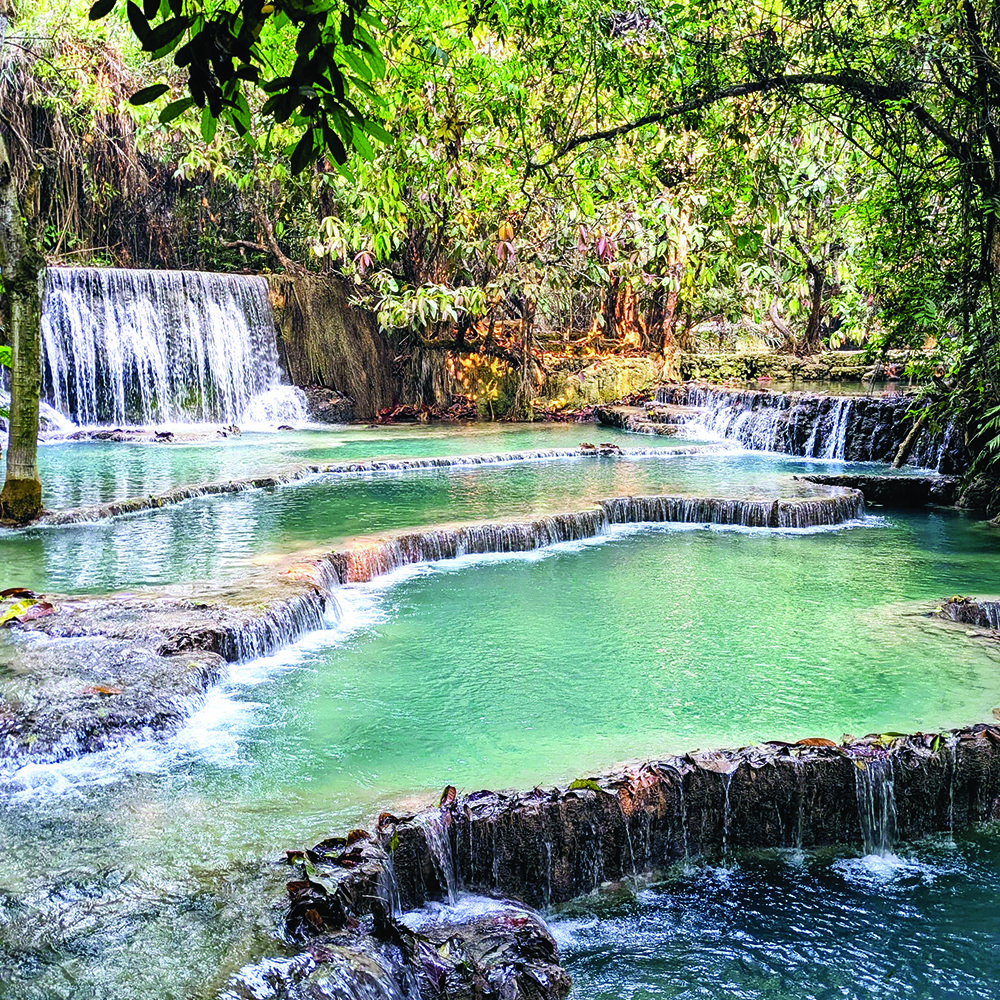
Kuang Si Waterfalls has multiple clear turquoise pools that are ideal for swimming;
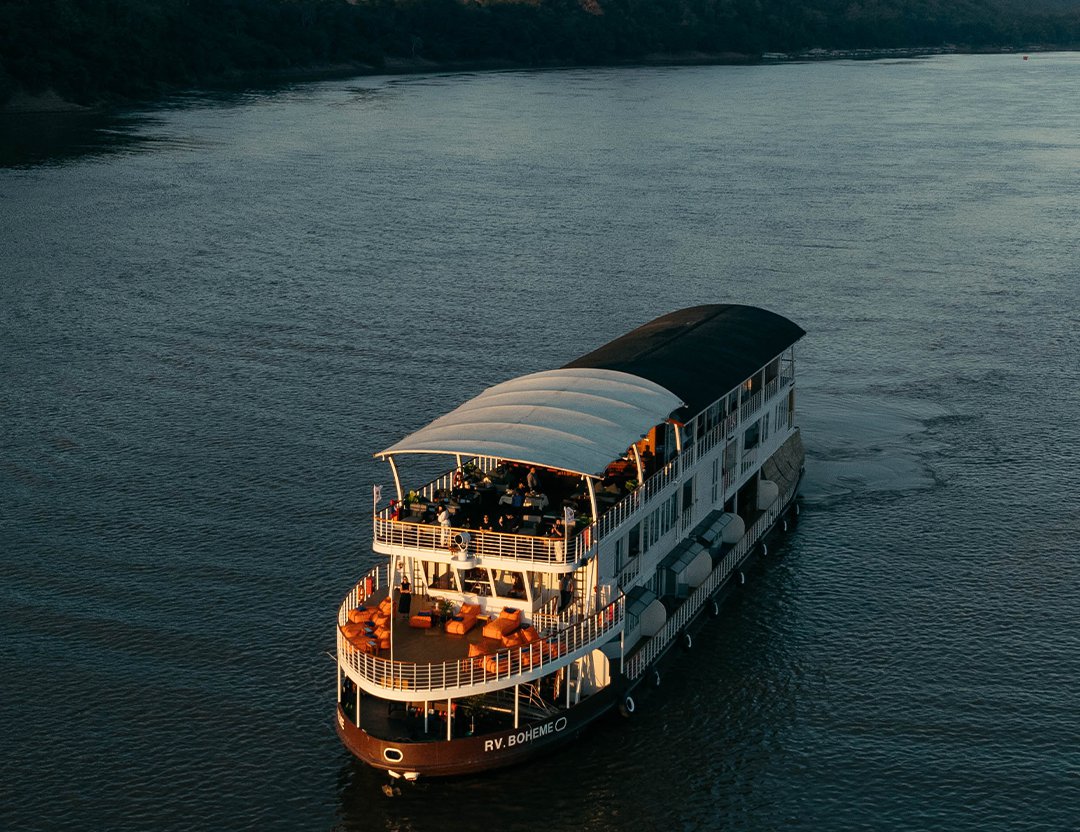
Sunset drinks and canapés are served every day during the cruise
DAY 1
After a quick transfer from Avani+ Luang Prabang, which runs the cruises in conjunction with Mekong Kingdoms, we are welcomed aboard with a traditional baci ceremony conducted by a group of elders. Prayers are chanted in Lao as each elder ties sacred threads on our wrists, blessing the journey and wishing us a safe passage. The boat begins its trip upriver, passing lush hills, peaceful villages where residents tend to their vegetable gardens or herds of Lao buffalo, and small wats with distinct red and gold roofs. Head for the open-air lounge on the sun deck for the best vantage point and ask for the tamarind elixir or hibiscus iced tea. I must have downed at least three of each during my time on board.
Around 25km north of Luang Prabang, lie the Pak Ou Caves in the side of a steep limestone cliff rising dramatically from the riverbed. Ancient tribes settled in the caves and are believed to be the ancestors of today’s Laotian population. The lower cave, which is visible from the river, is home to as many as 2,500 sculptures made from wood, copper, stone and stick lac, some of which date from the 17th century. About 60 metres up from the river – or 278 steps from the lower cave – lies the upper cave. It’s a short, steep ascent but worth the view of the countryside from up there.
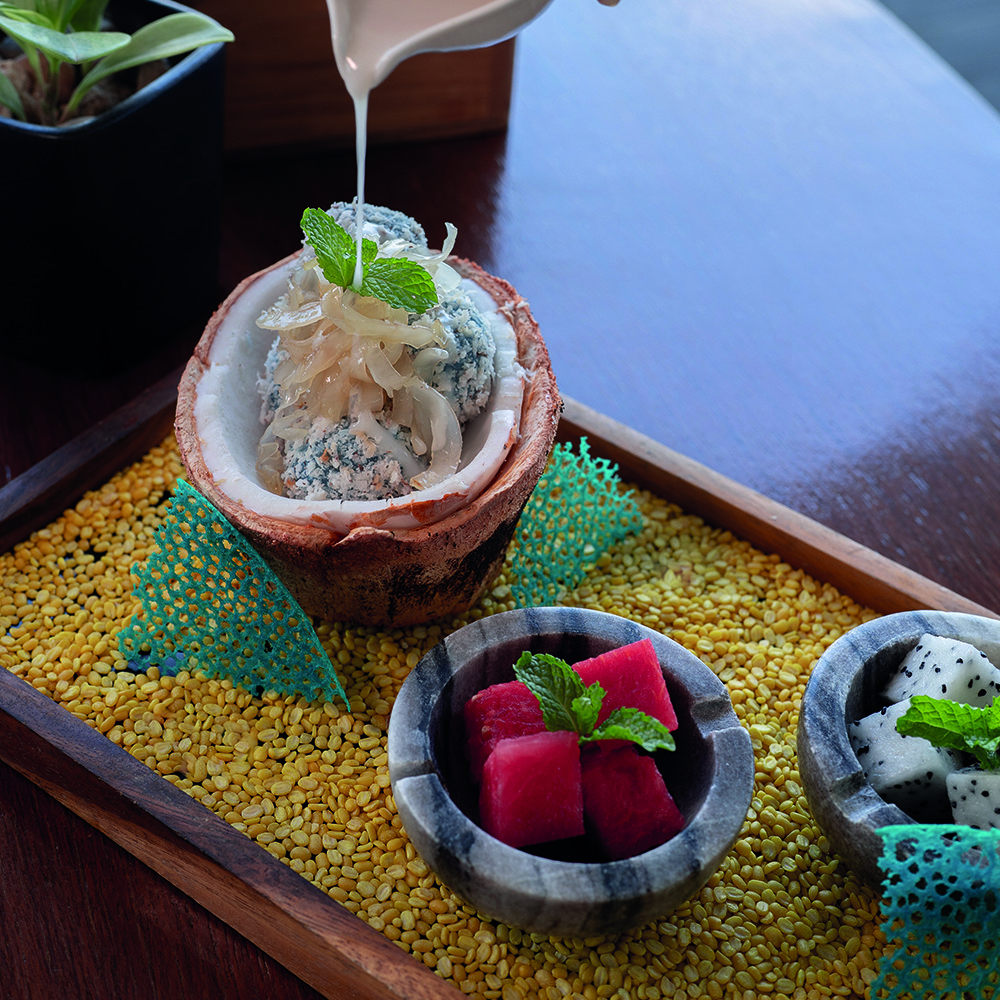
Sweet coconut dumplings served inside a tender coconut
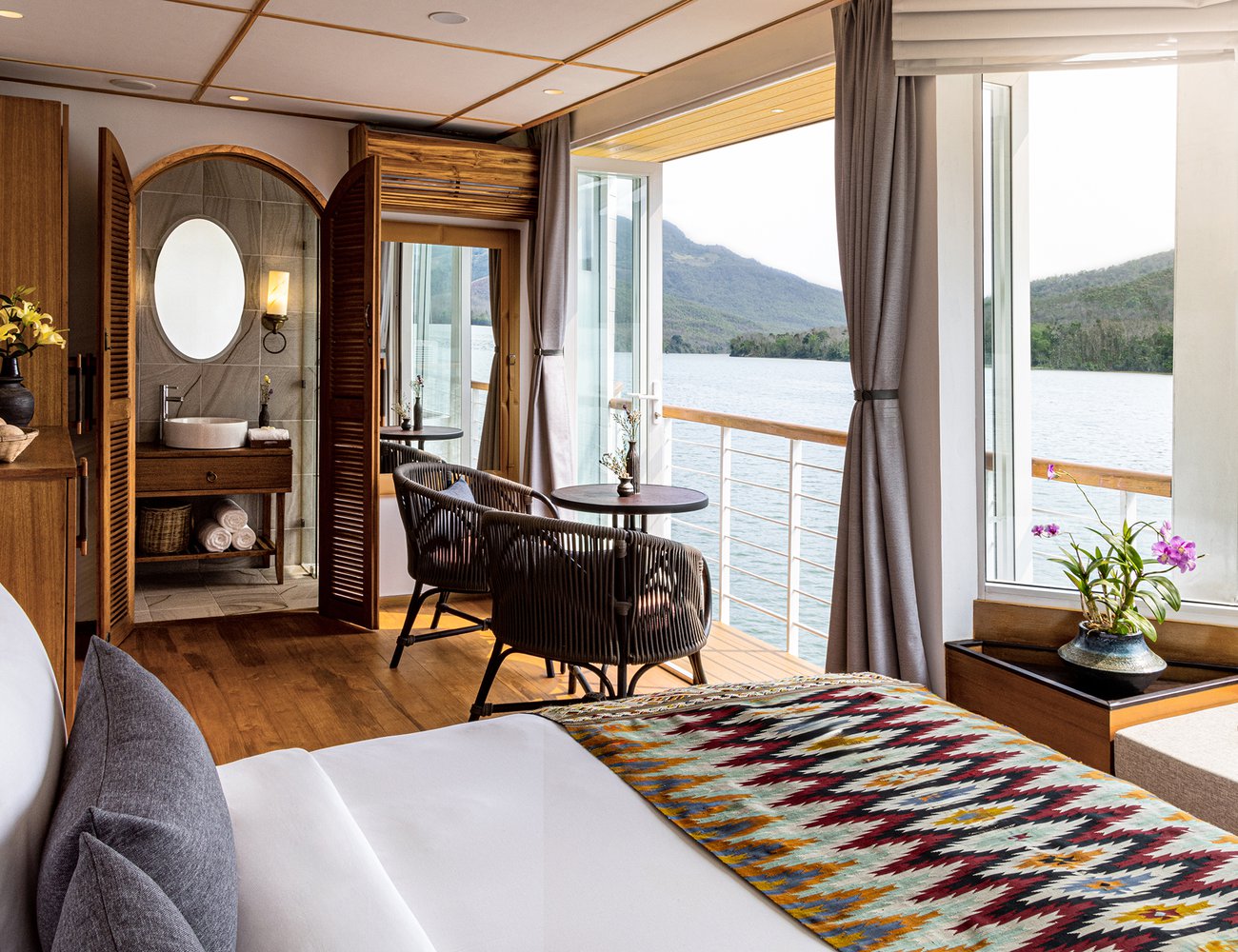
Premier view suite on the upper deck of the boat with a Juliet balcony
DAY 2
Ban means ‘village’ in Lao and Ban Xang Khong is well-known for making saa (mulberry) paper. A friendly puppy greets us as we alight on a makeshift dock and ascend 50 steps or so to reach the village, where single- and double-storey stone and wooden houses with slanting roofs line the main street along with small handicrafts and souvenir shops. I pop my head into one and watch a local artist put finishing touches to an elephant he’s painted on a massive sheet of saa paper, while elsewhere, smaller freshly made sheets dry in gardens under bright sunshine. The Tea House Luang Prabang is a multifaceted business in Ban Xang Khong with a café serving tea, coffee and simple food, an area for saa paper making workshops and a tree-filled garden for tea tastings. Saa paper is made from the bark of the mulberry tree, which is boiled for 48 hours and then pounded to a soft pulp. After watching the demo, I pick up a handful of the pulp and place it on thin metal mesh stretched between a wooden frame, which is immersed in a rectangular basin of water. The trick lies in spreading the pulp evenly to fill the frame so that the final saa paper sheet doesn’t have holes or opaque sections. This is an oddly therapeutic step requiring gentle, circular hand movements through the water and pulp, almost like making a fluffy cloud dissipate. Once the pulp settles against the mesh, flowers and/or leaves are placed artistically across the surface and then pushed under the water, making sure they’re settled against the pulp. At this stage, the frame is lifted out of the basin, allowing excess water to drain, before it’s placed in the sun to dry for 24 hours. Your sheet can be packed and sent to your hotel, if you’re staying in Luang Prabang after the cruise. Before leaving, try the locally made teas here including the rather unusual silkworm poop tea. Silkworm larvae feed largely on mulberry leaves, which are believed to have health benefits according to traditional medicine. Their droppings are removed from the cocoons and then roasted at 160˚C, a process that changes the chemical structure of the droppings, bringing forth an earthy flavour and an aroma akin to tobacco. If this is too way out for you, opt for the winter blend made from turmeric, orange and cinnamon. Our next destination Ban Chan Nua is famous for its 400-year-old pottery making tradition. Initially commissioned by the royal Lao court to make clay pots for storing water and fermenting fish, the residents of the village now make an array of everyday and decorative items including terracotta roof tiles, coffee mugs, wind chimes and soup bowls. It’s best to have short nails before this workshop otherwise your piece of pottery is going to get scratched while it’s still on the wheel. The Lao Pottery House is where we spend an hour trying to mould orange clay into recognisable shapes – a skill, I know, I will never master. Firing each piece takes two weeks so participants can choose a free souvenir or buy larger pieces from the on-site shop at the end of the workshop. Or, if you are particularly attached to the piece you create, Keo, the owner, can have it shipped to your home address.
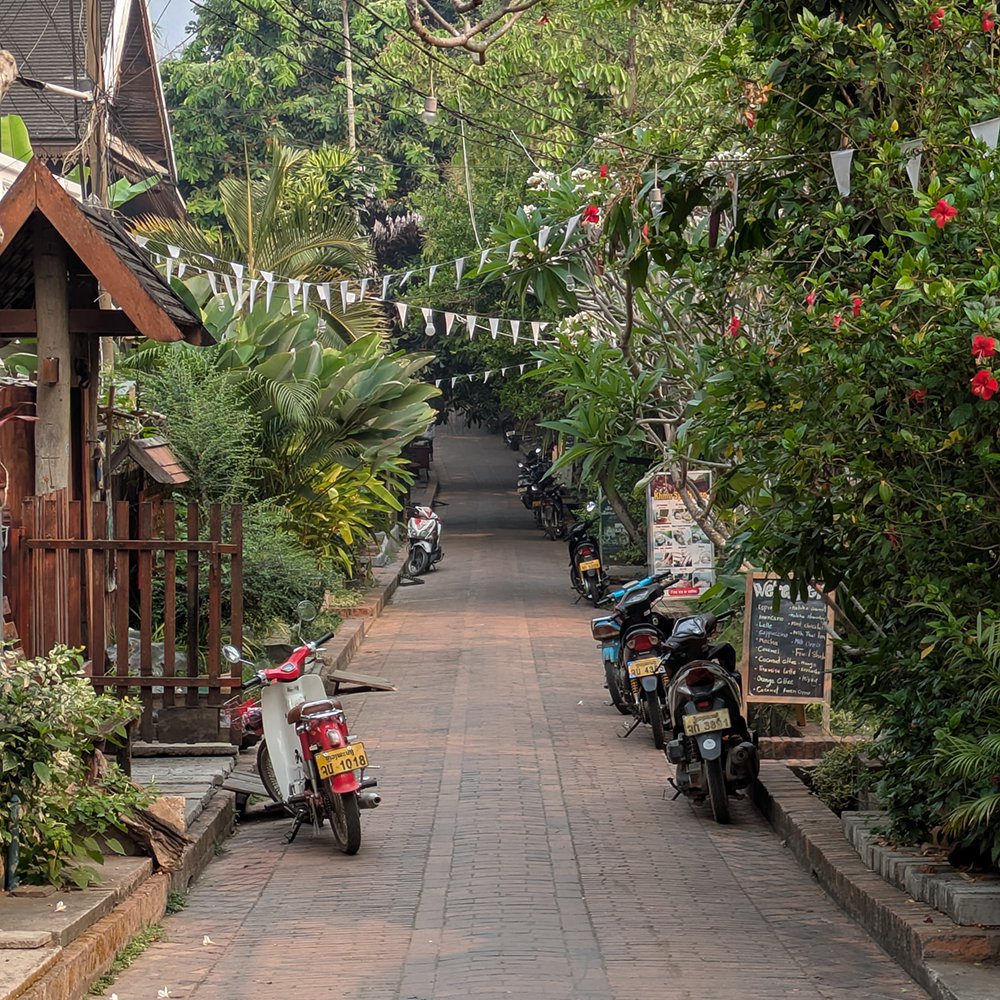
A quiet residential lane in Luang Prabang
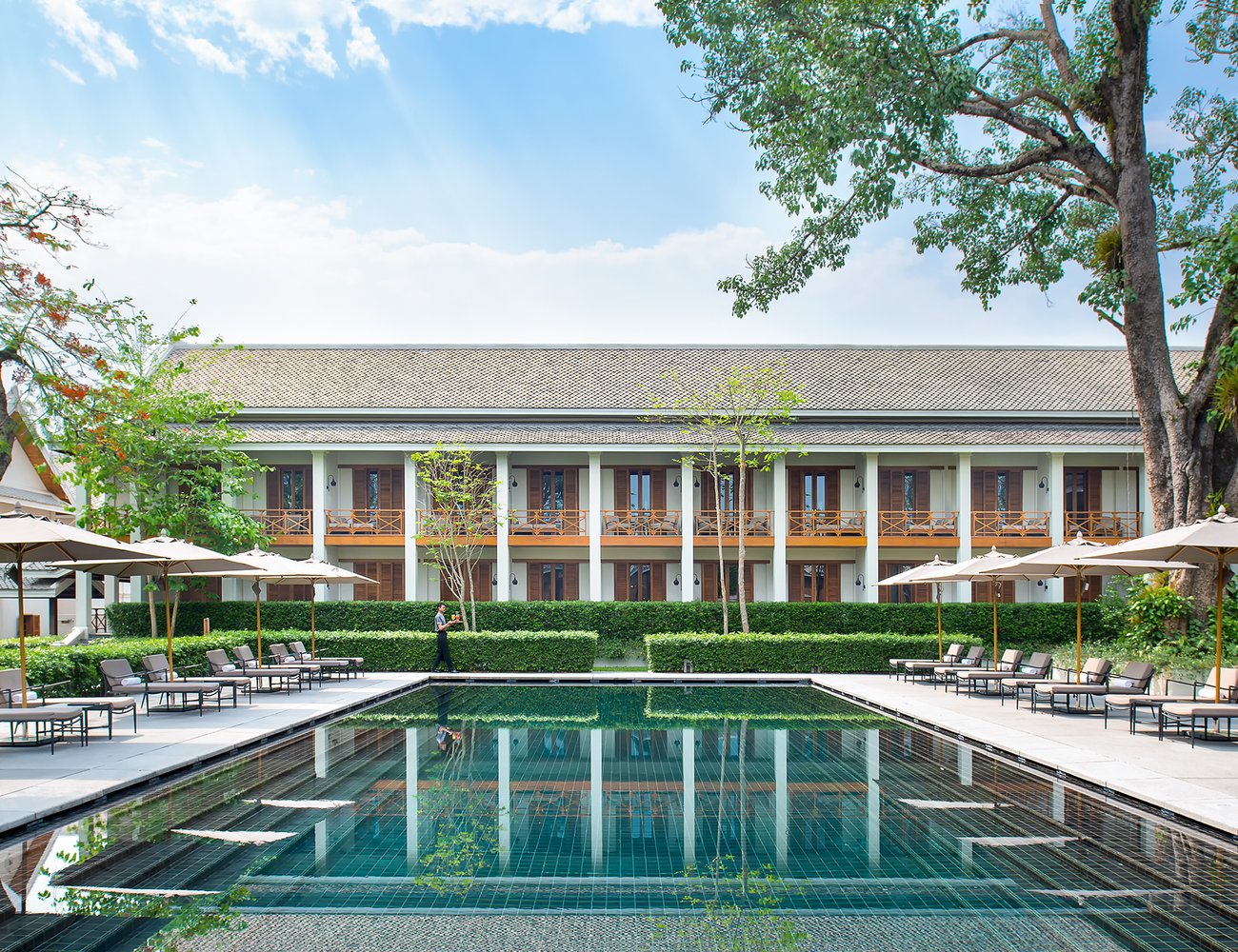
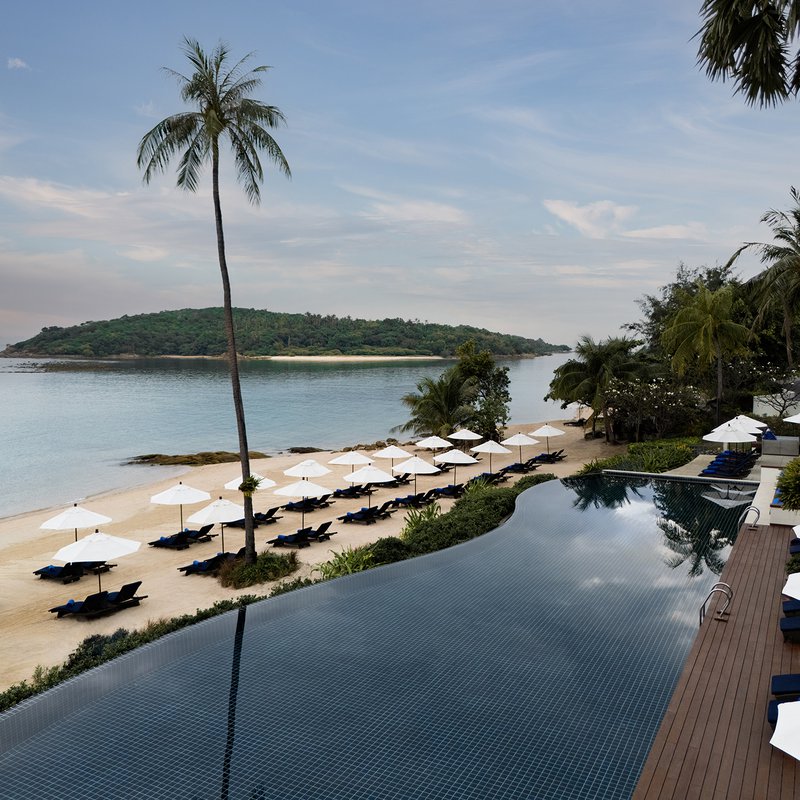
The Avani+ is one of only two hotels with a pool in this heritage town
DAY 3
Asri, the cruise manager, ushers everyone off the boat at 8am the next morning, assuring us that seeing Kuang Si Waterfalls without other visitors will be the highlight of our trip. She is not wrong. Surrounded by dense tropical jungle, this three-tiered cascade has pools the colour of turquoise due to the presence of minerals like copper. I let out an embarrassing “Ooooh!” when I spot the first one, only to realise an even more spectacular pool is visible further up the trail. The main fall drops from a height of 60 metres, tumbling over limestone rocks, before emptying into a series of shallow pools at its base. To the left of the highest cascade is a staircase with 542 steps leading up into the tree canopy. Standing on step number one, my enthusiasm to explore everything gets the better of me. A sweaty 10 minutes later, I make it to the top, where sweeping views of the surrounding mountains are the best reward although the jungle is too thick to see the falls below. The best time to visit Kuang Si Waterfalls is after the monsoon (since the falls tend to become muddy and the pools lose their beautiful colour during the rainy season).
EAT
From canapès and drinks at sunset to multicourse lunches and dinners, I was never hungry aboard Bohème. My breakfast of choice is always the traditional Lao breakfast khao piak khao, a creamy porridge made with rice and chicken broth, served with an array of toppings such as spring onions and fried shallots. Ginger, charred onions, lemongrass and kaffi r lime leaves give this hearty meal its rich and aromatic flavour. Pancakes, cereal, French toast, eggs Benedict and omlettes are also available. Chef Vongpasith is a one-man show, keeping our bellies full with meals based on various themes from a farm-to-table dinner featuring beetroot-cured fi sh (thin marinated strips of fi sh cured in beetroot and salt) topped with parmesan shavings, mini mozzarella balls, dill honey and fresh rocket, that has a mild sweetness balanced by salty notes; to a Lao lunch with crispy and spicy duck salad, tiger prawns stir-fried with garlic, chilli and Lao Lao (rice whiskey) and deliciously chewy coconut dumplings filled with mung beans sitting atop slivers of tender coconut drizzled with sweet coconut sauce.
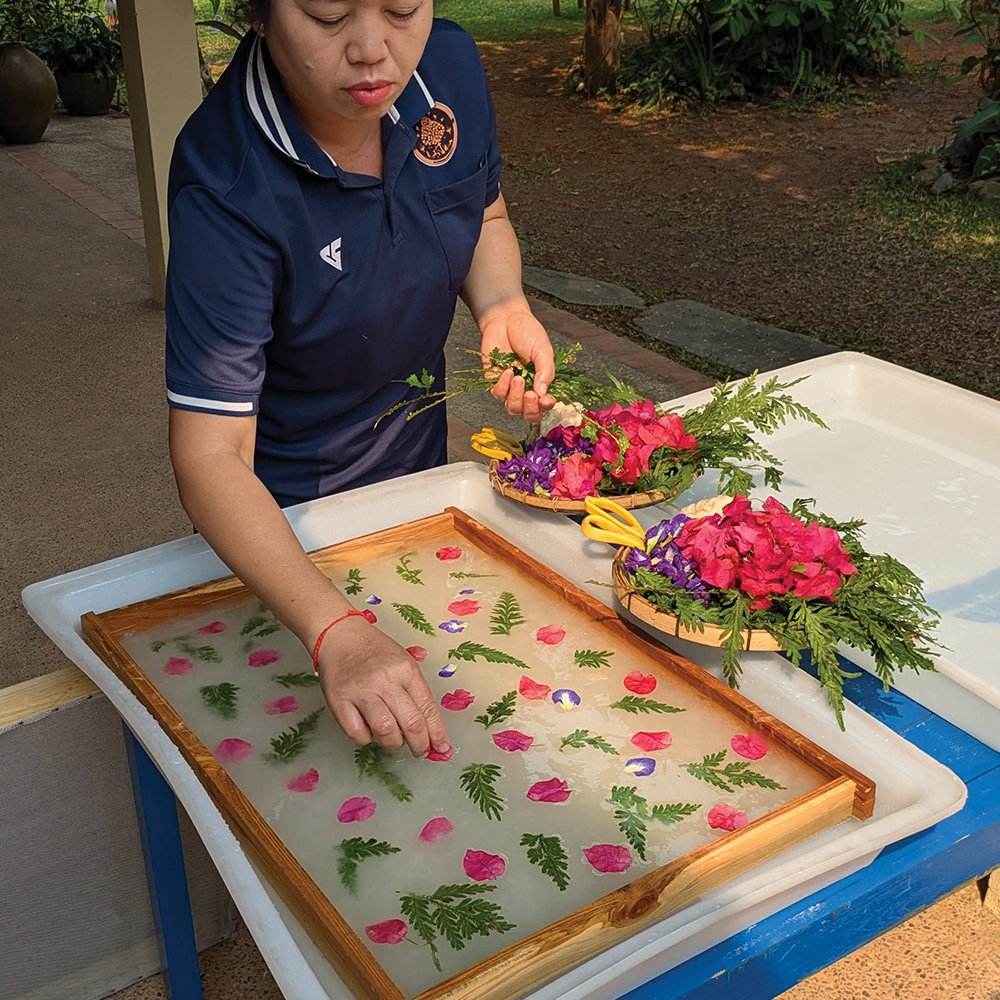
Adding petals and leaves to the raw saa paper sheet
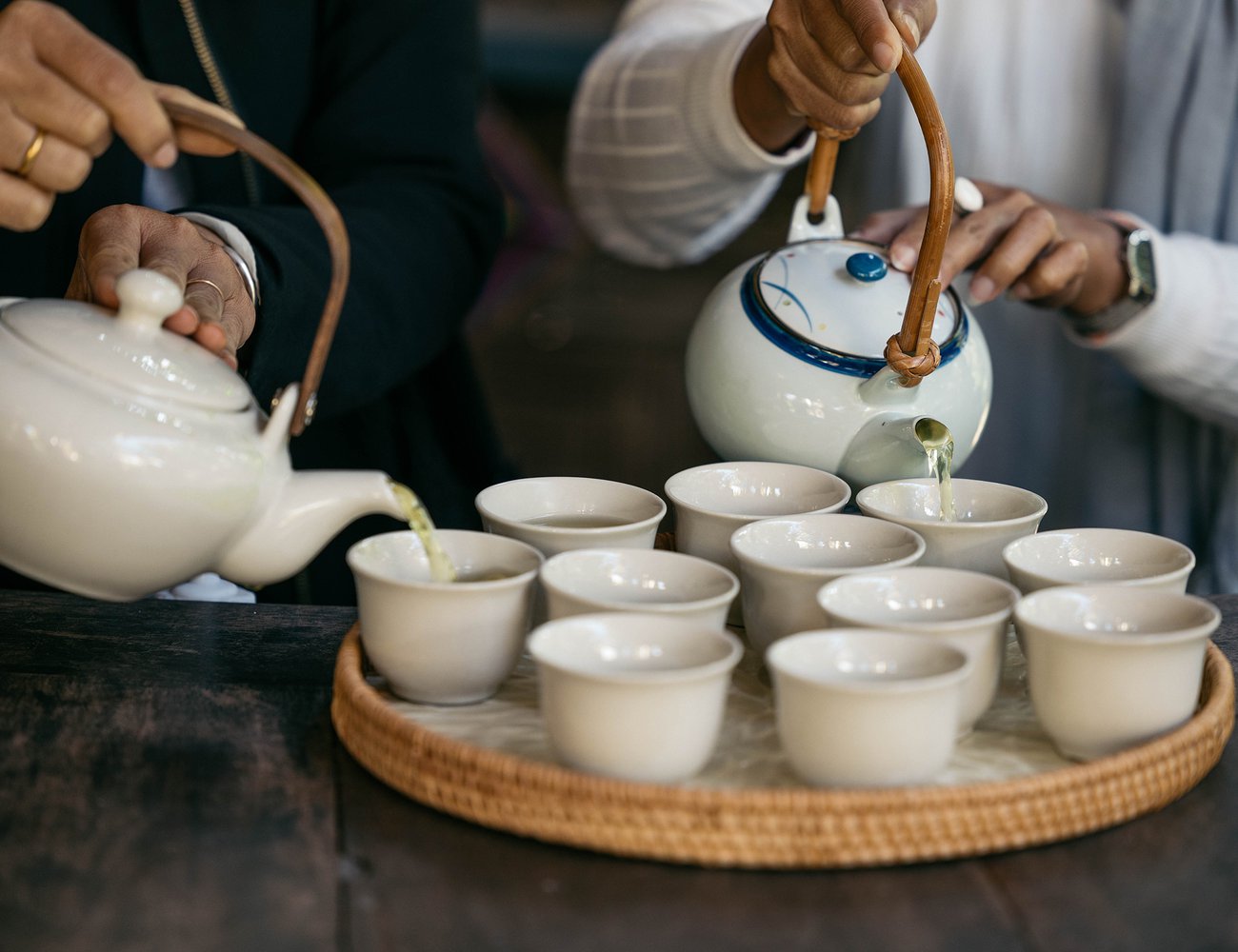
Tea-tasting is part of the itinerary
LUANG PRABANG
The Avani+ enjoys a central location making it the ideal base to explore this unique heritage town. Constructed around a large pool flanked by wide pathways and swathes of lawn, this two-storey hotel has a zen garden vibe and airy, light-filled interiors. Across the street from the hotel is Luang Prabang’s main thoroughfare lined with buildings constructed in the French Colonial style sitting alongside traditional Lao wooden structures, each home to French bakeries, heritage hotels and guesthouses, cafés, restaurants and clothing stores. Small lanes lead into neat residential areas with flowering frangipani trees and pretty bunting strung across lanes. This thoroughfare springs to life each evening with a night market from 5-10pm. Here, vendors sell a mindboggling array of locally made goods ranging from jungle honey, local jam, organic coffee and tea to ceramics, textiles, handmade bags, artwork and more. The best part about shopping here is none of the vendors try to force visitors to buy their products. After a spot of shopping, I head into a tiny eatery and order fish steamed in banana leaves, fried bamboo shoot stuffed with meat and potato and mango sticky rice – the perfect meal to end the perfect trip.
For more information, visit avanihotels.com and mekongkingdoms.com.