





Soba, or buckwheat noodles, holds a special place in Japanese cuisine and is a reflection of Japan’s unmatched talent for turning simple ingredients into something thoughtful, nourishing and special. At its simplest, soba is ground buckwheat flour mixed with water and briefly boiled. Yet, it inspires a deep affection across Japan. “Soba” translates to “buckwheat”, but people generally use it to mean the noodles themselves. In Tokyo alone, there are over 4,000 soba shops, a testament to how deeply this simple dish has woven itself into daily life.
Historically grown in mountainous regions unsuited for rice cultivation, buckwheat found its earliest homes in places like Nagano. Early farmers prized buckwheat for its resilience: it matures quickly, withstands harsh climates and grows where other grains can’t. Over time, cooks discovered that buckwheat flour mixed with water could become noodles with a nutty taste and pleasant chew. Over generations, soba moved into bustling Edo (modern-day Tokyo), becoming a staple of urban life and one of the main pillars of Edo cuisine. Each generation has preserved and refined this centuries-old tradition, turning a simple grain into something truly extraordinary.
By the Edo period (1603–1868), soba had become central to urban dining, served at street stalls and refined restaurants alike. Appreciated for balanced flavours and fast preparation, soba also integrated itself into cultural traditions, such as toshikoshi soba, noodles eaten on New Year’s Eve to symbolise longevity and renewal.
Even though many perceive soba as uniform (I was guilty of this, too, up until recently), many variations of this noodle exist. Ni-hachi soba, buckwheat noodles blended with wheat flour, balances buckwheat’s distinct aroma with wheat’s elasticity, making it easier for beginners to handle. This particular mix is what one would generally find in most soba shops today. In contrast, jwari soba, which is made with 100 per cent buckwheat, offers the grain’s flavour in its purest form: slightly sweet, earthy, yet fragile. Coarser styles such as arabiki include bran for robust taste, while others retain husks for deeper colour and fragrance. Served cold with dipping sauce or hot in broth, soba’s gentle nuttiness, delicate chew and comforting warmth remain constant.
In Tokyo, among countless soba shops, chef Kenji Osame stands out. His restaurant, Soba Osame, is nestled inside a carefully restored 100-year-old wooden house in one of the quiet neighbourhoods of Tokyo’s Shinjuku ward. Guests walk a short stone path, remove shoes in a quiet foyer and sit at low tables overlooking a small zen garden. Removed from the city’s rush, one naturally feels inclined to slow down and savour each bite.
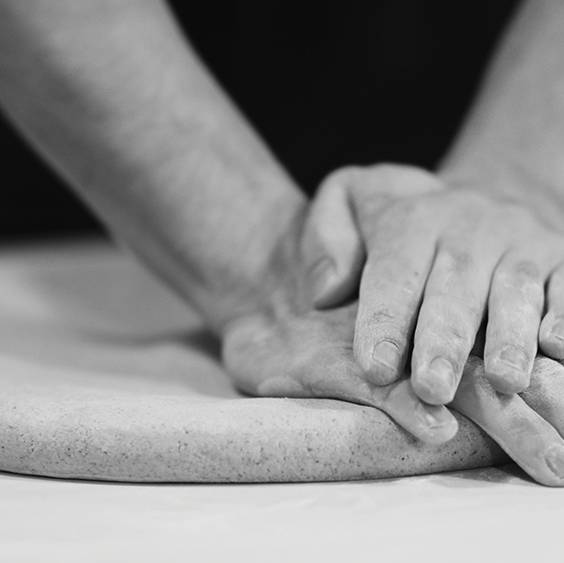
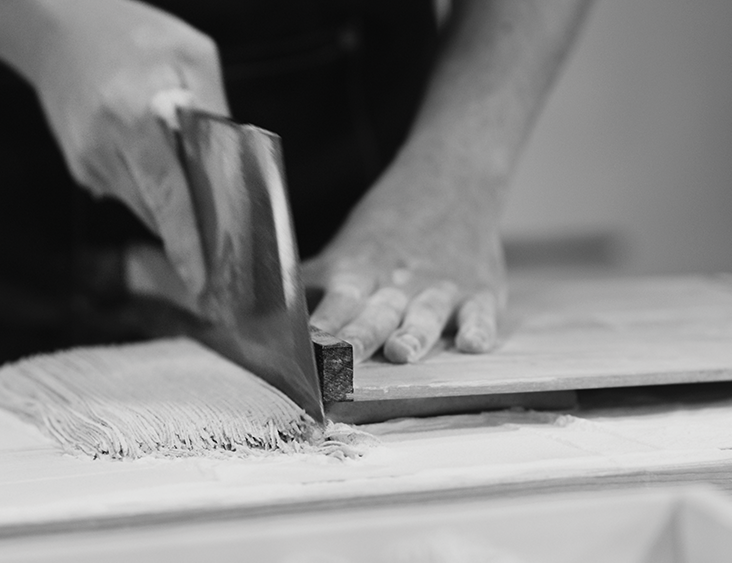
Kenji learned early from his father, a restaurant owner, how details shape cooking. A formative experience with Togakushi soba in Nagano deepened his appreciation for soba’s depth, inspiring him to specialise in handmade soba, known as teuchi soba. He gradually mastered kneading and cutting dough by hand, exploring heirloom buckwheat varieties from farms across Japan. Each grain, he discovered, had subtle differences in taste and texture.
Kenji gravitated toward jwari soba (100 per cent buckwheat) despite its challenges. Without gluten from wheat, jwari dough easily tears or cracks if handled incorrectly. Precise water ratios adjusted to daily changes in humidity are crucial, and Kenji does just that on a daily basis – a subtle dance to balance the pliability and texture of his dough. Believing only pure buckwheat revealed the grain’s true character, Kenji embraced these challenges. He sources fresh buckwheat seeds from Akita, Tottori and other regions, milling them daily to preserve natural oils and aroma, sometimes choosing finer or coarser grinds based on the grain’s seasonal qualities.
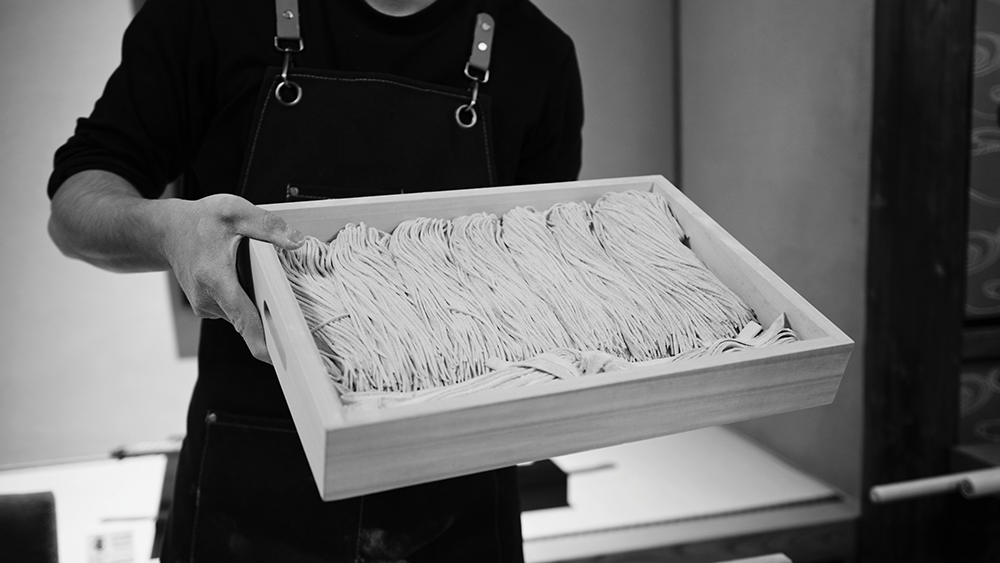
Kenji’s mindful approach is clearest in his rinsing technique. Traditionally, noodles are quickly cooled under running water to stop the cooking process and remove excess starch. Kenji noticed aggressive rinsing made delicate jwari noodles bland or chalky. He developed a minimal rinsing method, gently cooling noodles just enough to maintain their structure while leaving a subtle warmth and sweetness from residual starch. This delicate balance requires precise timing, cooking small batches and tasting constantly to ensure perfect texture and flavour.
When I visit Soba Osame, my perspective on soba shifts completely. Until then, I had only experienced ni-hachi soba – buckwheat noodles blended with wheat flour, but tasting jwari soba, made entirely from buckwheat, reveals a whole new dimension to me. The differences in flavour are nuanced, the mouthfeel strikingly distinct.
Meals at Osame unfold slowly, each course offering a different expression of soba. It begins with arabiki sobagaki, a warm, textured buckwheat dumpling, followed by a selection of seasonal appetisers. Then comes a tender, sweet-savoury tamagoyaki. Next, two styles of soba are served side by side: arabiki, made with coarsely milled buckwheat for a bold, rustic profile, and genbiki, stone-ground for a smoother texture and more delicate flavour. The final course is kamo nanban soba, served in a clear, hot broth and topped with slices of duck and green onions. We end the meal by mixing sobayu, the milky cooking water, into leftover dipping sauce, creating a simple, comforting soup that captures buckwheat’s final essence. The meal is a quiet and thoughtful journey, each moment revealing a new dimension of soba’s understated elegance.
Despite thoughtful innovations, Kenji remains rooted in soba’s traditions. He preserves time-honoured methods such as fresh milling and handmade dough, while also embracing evolution through the use of heirloom grains and subtle adjustments that highlight buckwheat’s purity. His approach captures the essence of Japanese soba culture: quick enough for a commuter’s lunch, yet deep enough for a reflective and unforgettable meal.