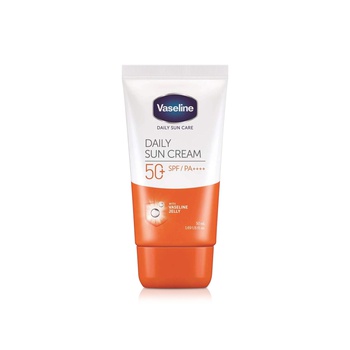






While sunscreen shouldn’t be seen as an impenetrable suit of armour, wearing it plays an essential role in protecting your skin against the sun’s harsh and harmful rays. But with so many different types of suncreen on the shelf – SPF 30 vs SPF 100, oils vs creams, mineral vs chemical – how do you know which is best?

“Sunscreen is your skin’s best daily defence, but not all are created equal,” says Dr. Ruhil Badiani, from Cornerstone Clinic in Dubai. To help, she breaks down the different products, ingredients and levels of protection, decodes the ingredients and offers essential tips for applying them properly…
What does SPF really mean?
SPF, or Sun Protection Factor, indicates how well a sunscreen protects your skin from UVB rays, the kind that cause sunburn. SPF 30 blocks about 97% of UVB rays, while SPF 50 blocks around 98%. While higher SPFs do offer slightly more protection, no sunscreen blocks 100% of UV rays. That’s why reapplying every two hours is essential, no matter the SPF level.
Talk us through the different types of sunscreen and what the pros and cons are…
There are two main categories of suncream: chemical and mineral.
Chemical sunscreens absorb UV rays and tend to be lightweight and invisible on the skin, making them a popular daily choice. These ingredients work by converting UV radiation into heat, which is then released from the skin. Unlike mineral sunscreens, which sit on the surface, chemical filters absorb into the skin to provide protection. Common ingredients include:
- Avobenzone – Provides broad-spectrum protection, especially effective against UVA rays. Often paired with other ingredients for stability.
- Oxybenzone – Absorbs UVB and some UVA rays. Controversial due to potential environmental and hormonal concerns, some people choose to avoid it.
- Octinoxate – Protects mainly against UVB rays. Common in many face and body sunscreens, but may irritate sensitive skin.
- Octocrylene – Stabilises other ingredients like avobenzone and provides UVB protection. Has moisturising properties but can cause sensitivity in some.
- Homosalate – Helps sunscreen absorb quickly without leaving a greasy feel. Provides UVB protection and is often used in combination with other filters.
- Octisalate – Boosts the effectiveness of other ingredients and improves water resistance. Offers mild UVB protection.
- Ensulizole (Phenylbenzimidazole Sulfonic Acid) – Primarily protects against UVB rays and has a lighter texture, making it ideal for oily skin.
Mineral sunscreens sit on top of the skin and reflect UV rays, offering gentle, physical protection that starts working immediately. They’re often recommended for sensitive skin, children and anyone looking to avoid potential irritation from chemical ingredients.
- Zinc Oxide – A broad-spectrum filter that protects against both UVA and UVB rays. It’s non-irritating and anti-inflammatory, making it a great choice for sensitive or acne-prone skin.
- Titanium Dioxide – Primarily blocks UVB and short UVA rays. Often used in baby sunscreens and products for sensitive skin due to its mild, non-reactive nature.
Wow, a lot to think about! Would you recommend chemical or mineral sunscreens?
The answer depends on your skin type and personal preference. Chemical sunscreens are usually easier to rub in and less likely to leave a white cast, making them ideal for everyday wear under make-up. However, they may cause irritation for sensitive skin types or sting the eyes. Mineral sunscreens, on the other hand, are gentler so less likely to cause breakouts or stinging, and start working immediately upon application, but they can sometimes feel thicker or leave a visible residue, especially on darker skin tones. Ultimately, my advice is the best sunscreen is the one you’ll use consistently and reapply regularly.
What are your top tips for sensible sunscreen application?
For maximum protection, apply sunscreen at least 20 minutes before heading outside.
To properly protect your skin, aim for about two milligrams of sunscreen per square centimetre of skin. A general rule of thumb is to use:
- Around two to three finger-lengths of sunscreen for each arm
- Three to four finger-lengths for each leg
- About one teaspoon for your face, neck, and ears combined
- A bit extra for areas often forgotten, like the tops of the feet, backs of hands, and part lines in your hair
In total, most adults need about six teaspoons (roughly 30–35ml) to fully cover their body.
Lastly, before we make our next sunscreen purchase, what should we be looking out for?
Choose a formula that offers broad-spectrum protection, which shields against both UVA (ageing) and UVB (burning) rays. Water resistance is a great bonus, typically lasting 40 to 80 minutes. If you’re prone to breakouts, look for a non-comedogenic formula that won’t clog pores. And don’t forget to check the expiry date, expired sunscreen will lose its effectiveness.
Stay Skin Wise
Give your skin a little extra protection