




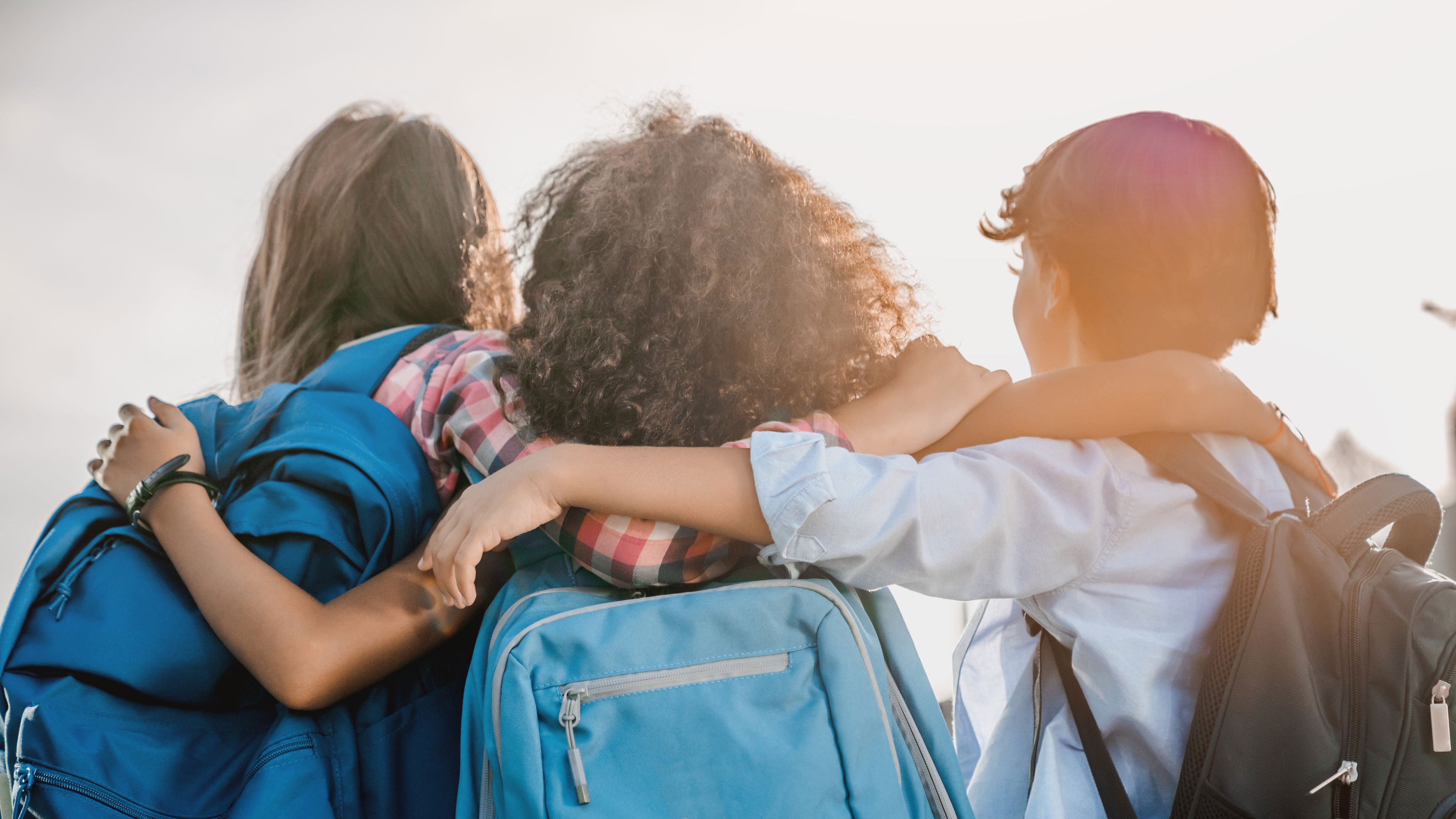

Friendships can be tough to navigate, no matter your age, and with a new school, new class or simply a new term thrown into the mix, well, it’s a minefield. As with many things in life, friendships take work – tending to them, to ensure they grow and flourish. While some friendships have the beauty of being easy breezy, others may feel like hard work, yet worth the effort. And others might feel confusing and complicated at times. So, the big question is, how do you navigate and nurture social relationships, create lasting connections and ensure friendships thrive in a school environment? Sreevidhya Srinivas, clinical psychologist for children and adolescents at Medcare Camali Clinic, has the answers…

What are some immediate coping strategies that parents and students can implement for navigating new school friendships?
New schools can feel overwhelming initially, so providing children with structured ways to meet peers, for example, joining clubs, sports teams, or class projects, provides them with an opportunity to interact. At home, parents can practice simple conversation openers and model how to listen with genuine interest. Research on social skills has concluded that role-playing scenarios not only reduce shyness but also make those first interactions much smoother and help children navigate better.
How should students tackle separation anxiety when their best friend has changed school or switched classes?
It is common for children to feel a sense of loss when a close friend moves away or switches classes. The first step is to acknowledge that sadness, not brush it aside. Later, helping them keep in touch with their old friend during breaks or outside school, while also slowly introducing opportunities to meet new peers.
While hopefully not a regular occurrence, bullying or being picked on at school is something pupils might have to navigate. What advice do you have?
The cornerstone is to equip children with both emotional regulation skills and assertive, respectful communication. When a child is able to set boundaries and knows which trusted adults to approach for help, they feel safer and more in control. Many schools have adopted a peer-mentoring system, which helps to reduce the emotional toll of bullying and helps prevent similar incidents in the future.
Naturally, all friendships go through highs and lows, so what would you advise in terms of conflict resolution amongst friends?
Conflicts and disagreements are a normal part of relationships. However, what is more important is how children manage them. Teaching “I” statements and providing them encouragement to respond and ask questions before reacting. Supporting them with guidance to find a solution together helps build empathy. More importantly, developmental studies indicate that children who learn these skills early tend to have stronger, more enduring friendships later on.
Do you have any fail-safe tips for making new friends, especially for those starting a new school or entering a new class?
Little steps make a big difference: a smile, open posture and making eye contact all signal approachability. Identifying shared activities, finding common ground or offering small acts of kindness can be the first step towards building a connection. The most successful friendships often start with genuine curiosity about the other person.
Lastly, what would be your key piece of advice for helping children ensure their friendships thrive?
The core of friendship lies in trust, respect and consistency. Encouraging children to listen, to celebrate their friends’ successes, and to value differences is a very mindful approach. When a child feels seen, heard, and safe in their peer group, it helps to build on their emotional growth and support systems.