




From the terrace of Flames, the Four Seasons Hotel The Westcliff’s signature restaurant, Johannesburg reveals itself, not in a series of skyscrapers or manicured parks, but in a seemingly endless green canopy. Once a region of highveld grassland, Johannesburg’s landscape was transformed by human ingenuity into an “urban forest”, with introduced species such as jacaranda adding to this gritty and ambitious city’s aesthetic appeal.
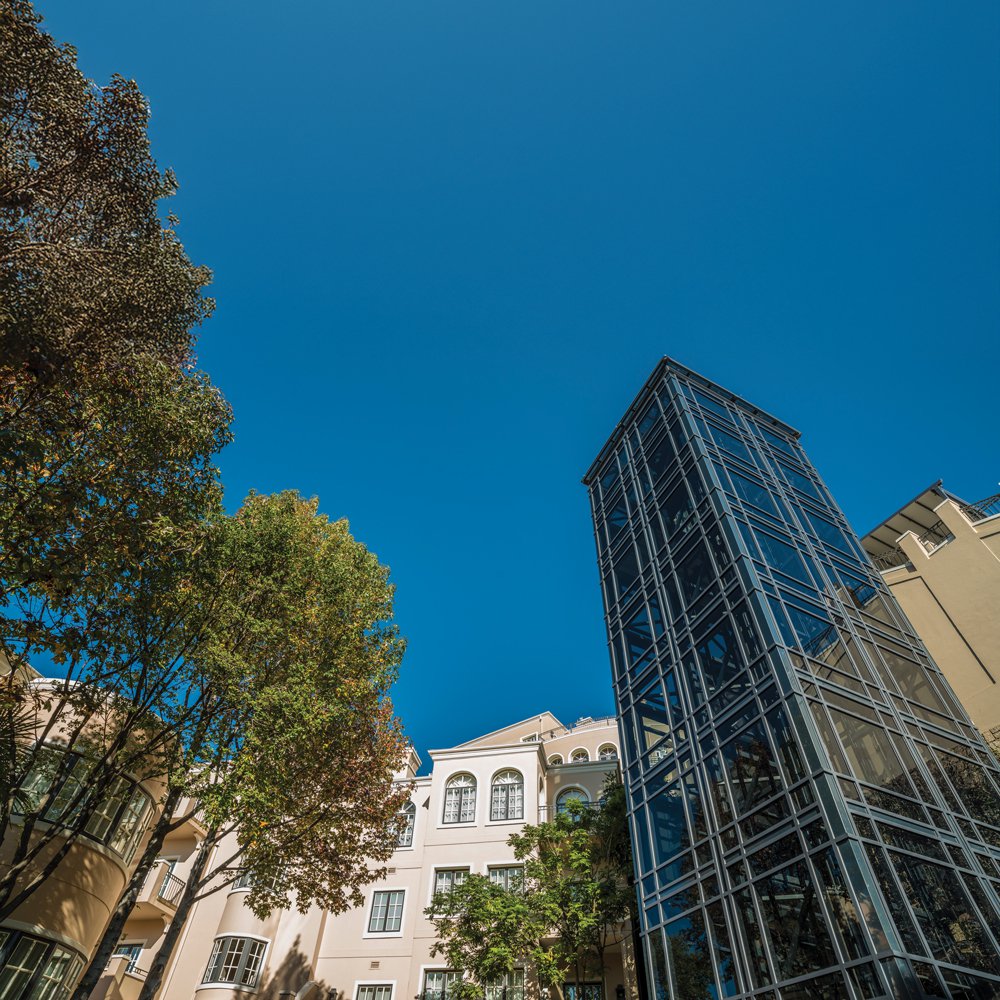
Old-world charm and contemporary lines come together at Four Seasons Hotel The Westcliff
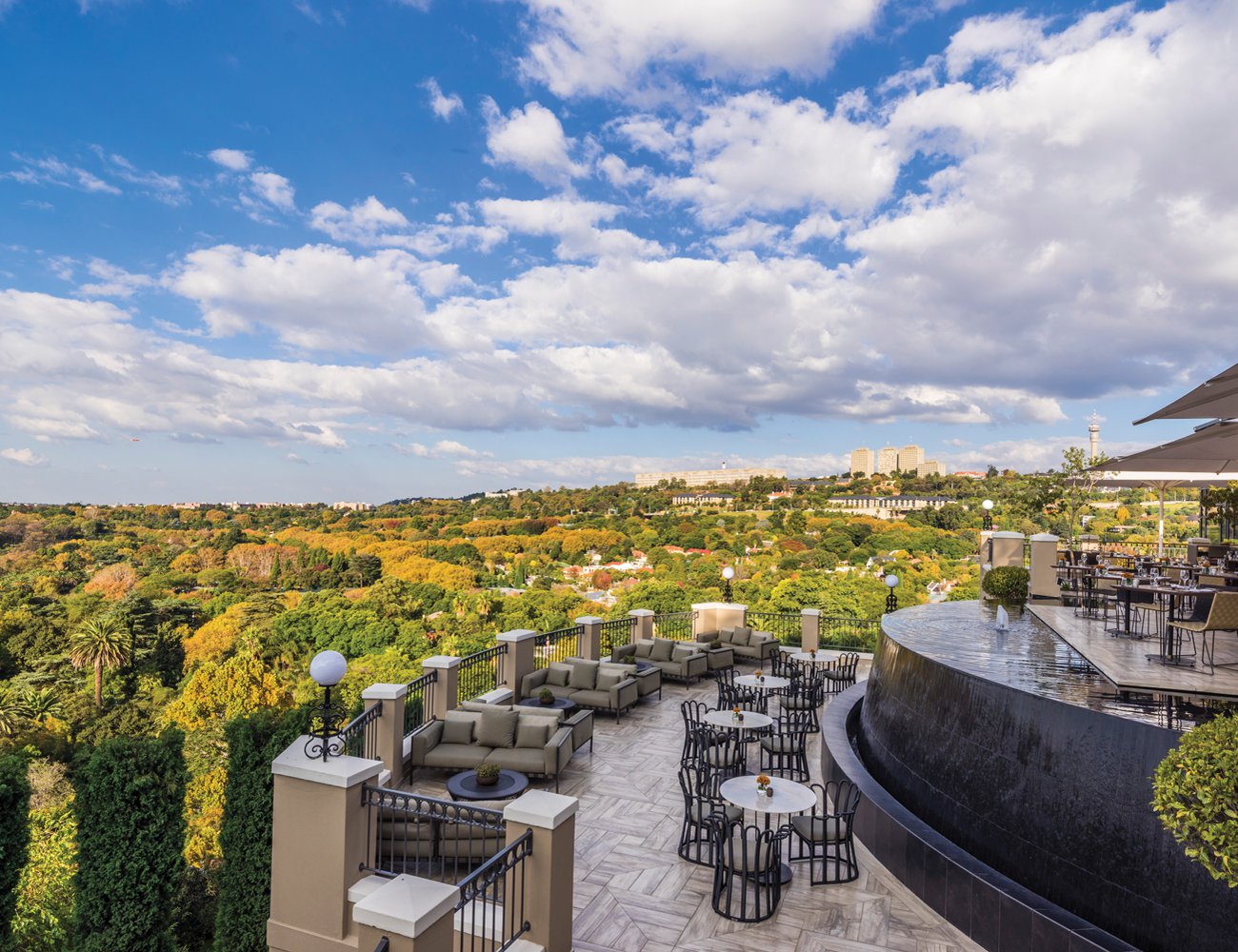
Take in panoramic views of the city from Flames’ terrace
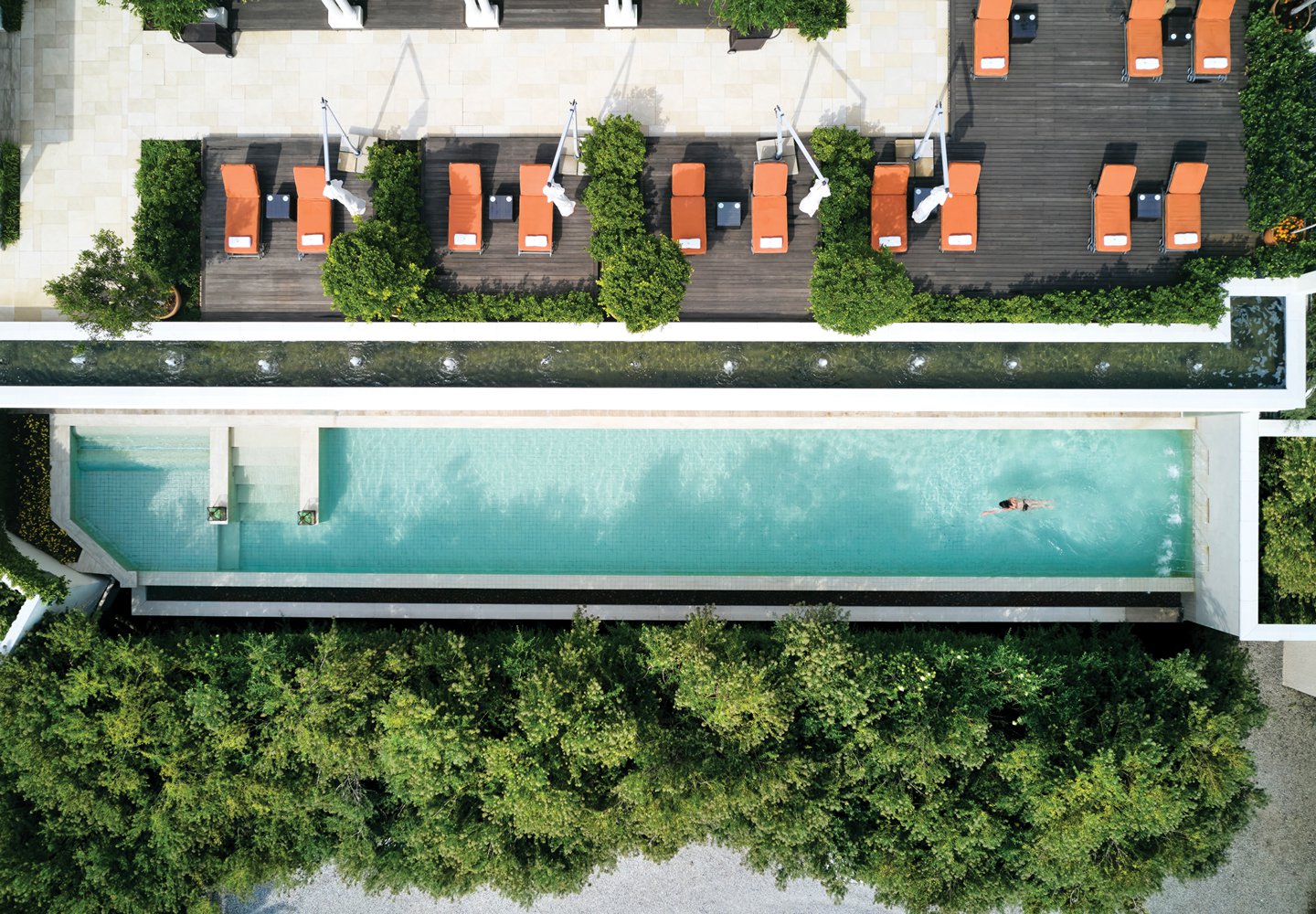
The Four Seasons is draped across eight acres of hillside in the affluent suburb of Westcliff, known for its old money, mansions and historic architecture. Built as a series of lavish low-rise apartments with ivy covered walls, courtyards, fountains and gardens connected by cobblestone paths, the hotel invites guests to step back in time, to savour a slower pace of life and temporarily forget about the hustle culture beyond its walls.
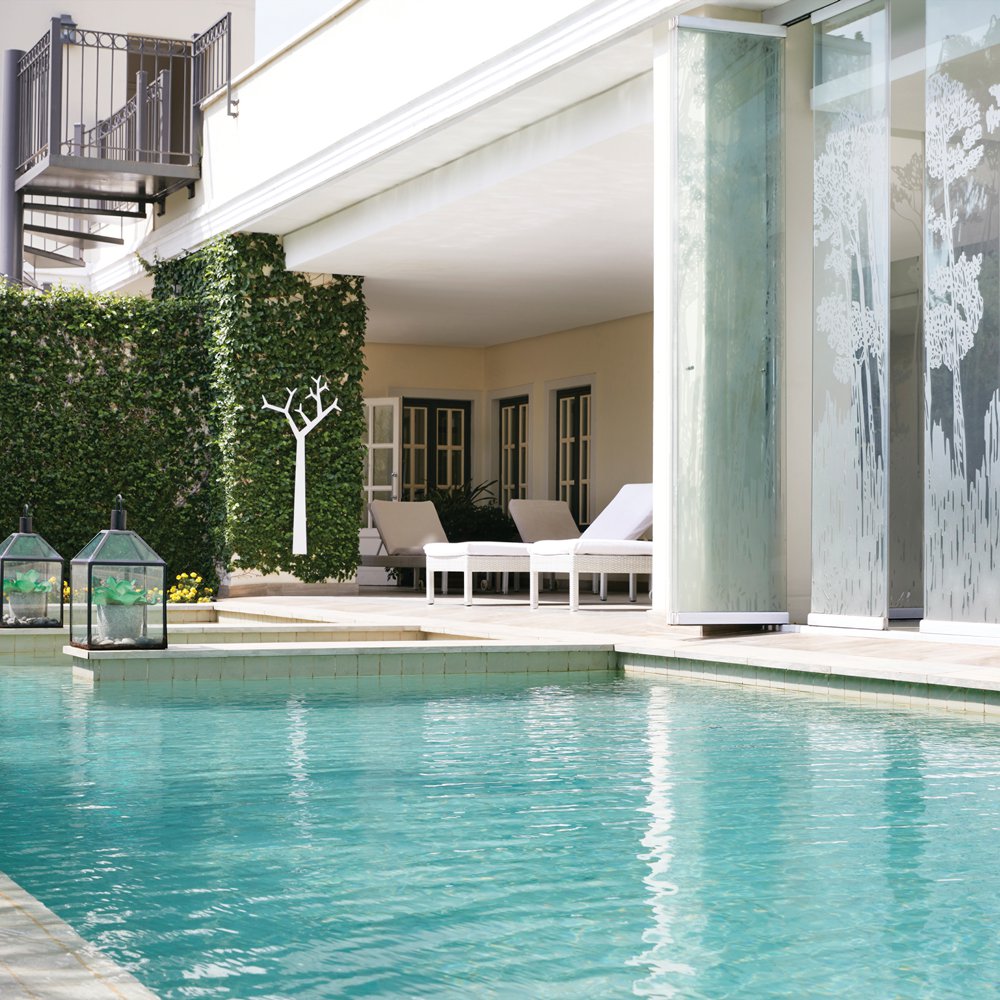
The spa is a tranquil sanctuary offering a variety of treatments
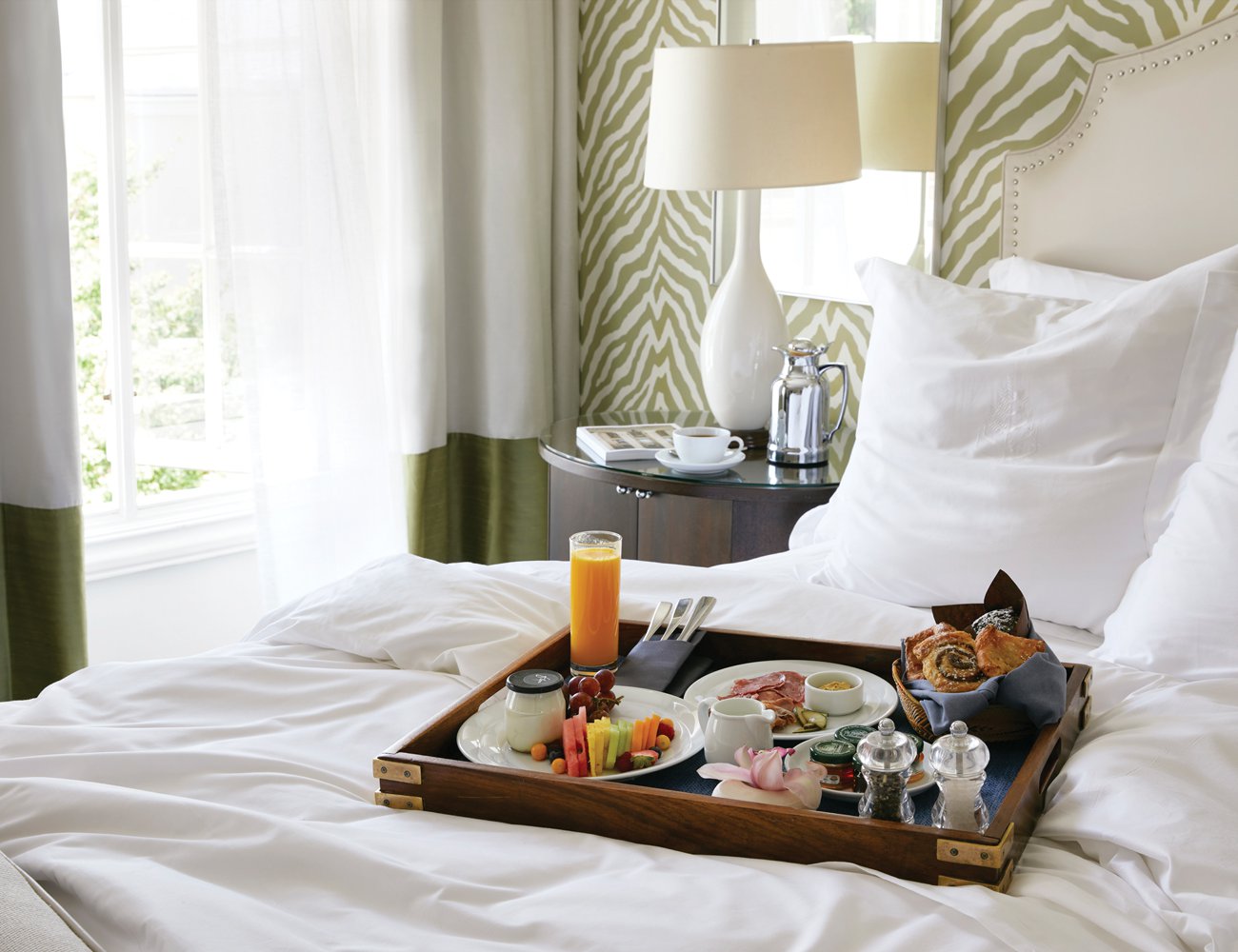
Start the day with an indulgent breakfast in bed
From the moment I arrive, I feel like I’ve entered a stately home – the rich dark wooden accents of the lobby perfectly offset by the plush armchairs and sofa in mauve and deep bronze. Natural sunlight filters through from floor to ceiling windows, exquisite floral arrangements grace the coffee table and contemporary South African art give the space a welcoming warmth. This theme of modern luxury and old-world charm continue in my elegant suite with its deep blue walls complemented by dynamic zebra pattern curtains that add a touch of African flair, to the jar filled with freshly baked rusks with an accompanying note informing me that they “are generally dipped in a hot beverage before taking a bite”. The cosy private balcony offers a quiet spot for a morning coffee with panoramic views of the city, further cementing the sense that this hotel has been designed as a sanctuary that feels both grand and intimate.
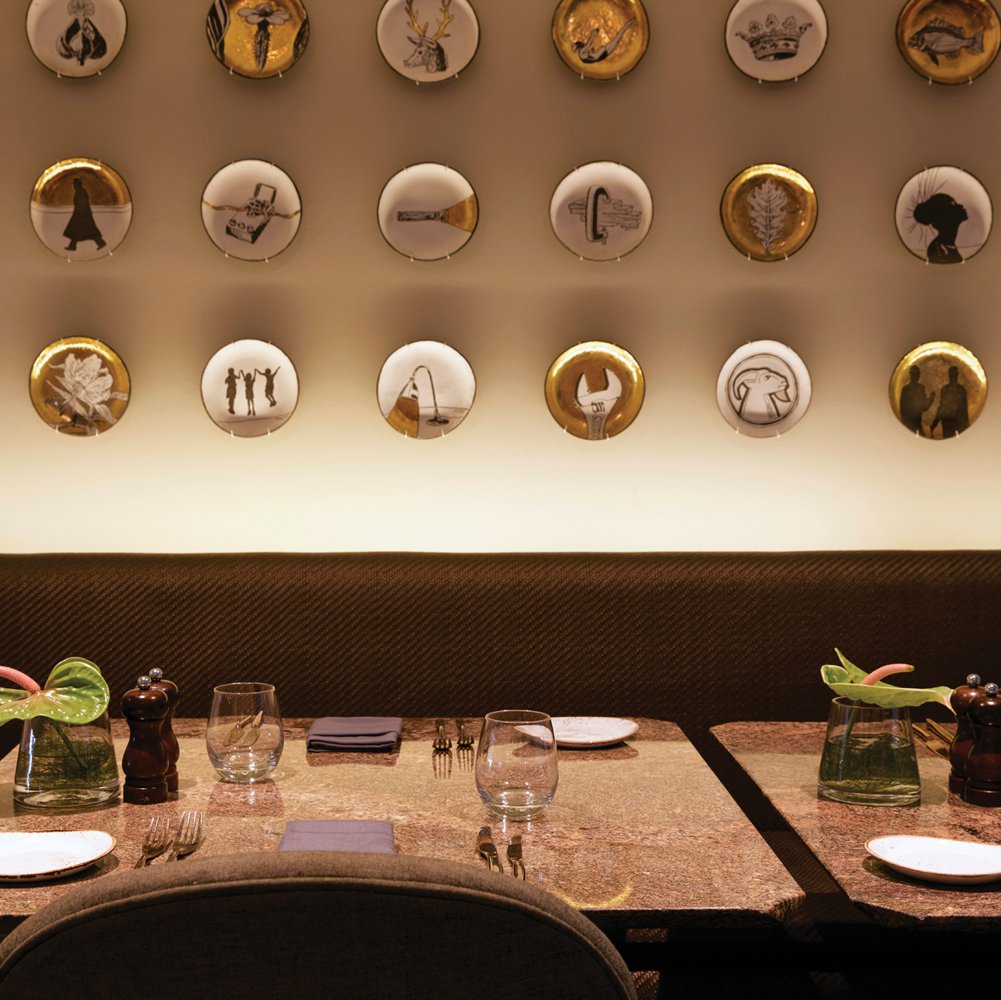
Flames’ menu is a celebration of the finest meat and seafood sourced from some of the best South African producers
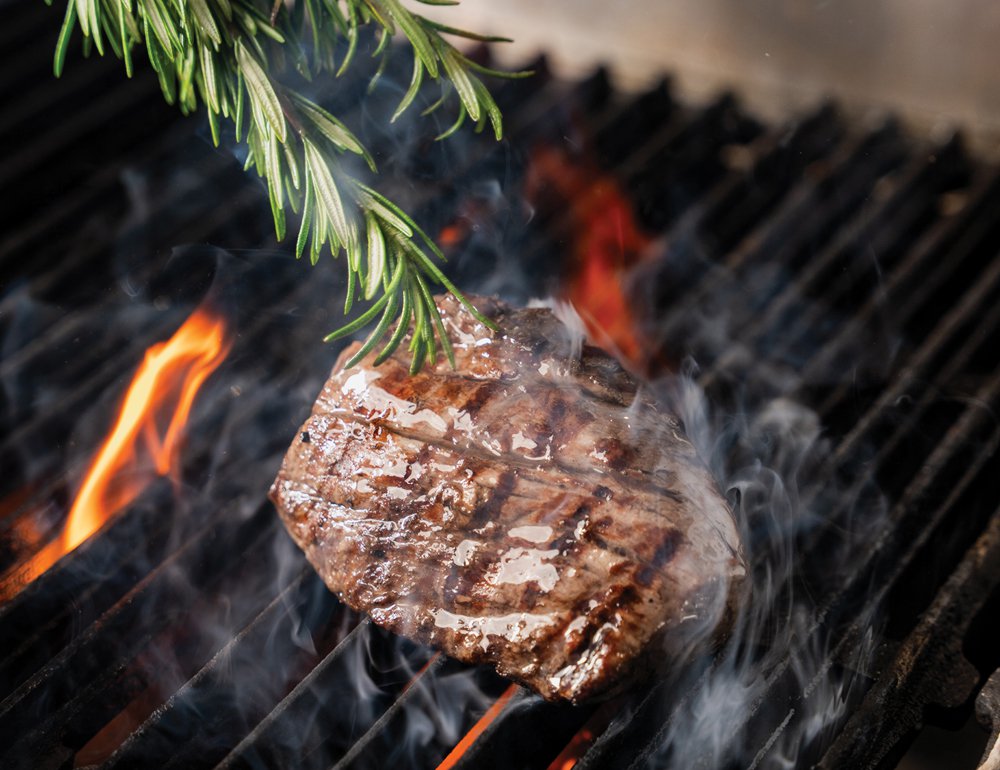
Cuts of Wagyu and Chalmar beef feature on the menu
Flames is a nod to the fire that lies at the heart of South Africa’s culinary traditions. The kitchen utilises a Josper oven, ‘a revolutionary Spanish grill-oven that seals in moisture and imparts a rich, smoky flavour to every cut’. Chef Fumba Avuyile, Flames’ chef de cuisine, developed the menu in collaboration with visiting chef Thierry Papillier from Four Seasons Kuwait, highlighting the best meat South Africa has to offer from the Silent Valley Wagyu beef sourced from the grasslands of the Free State and Chalmar beef from a local family farm to the ostrich and kudu fillets, and lamb chops brought in from within a 50 kilometre radius.
The hotel’s culinary team is led by recently appointed executive chef Rudi Liebenberg. A true son of Johannesburg, he has returned to his hometown after a career overseas as well as a 14-year stint at the iconic Mount Nelson in Cape Town.
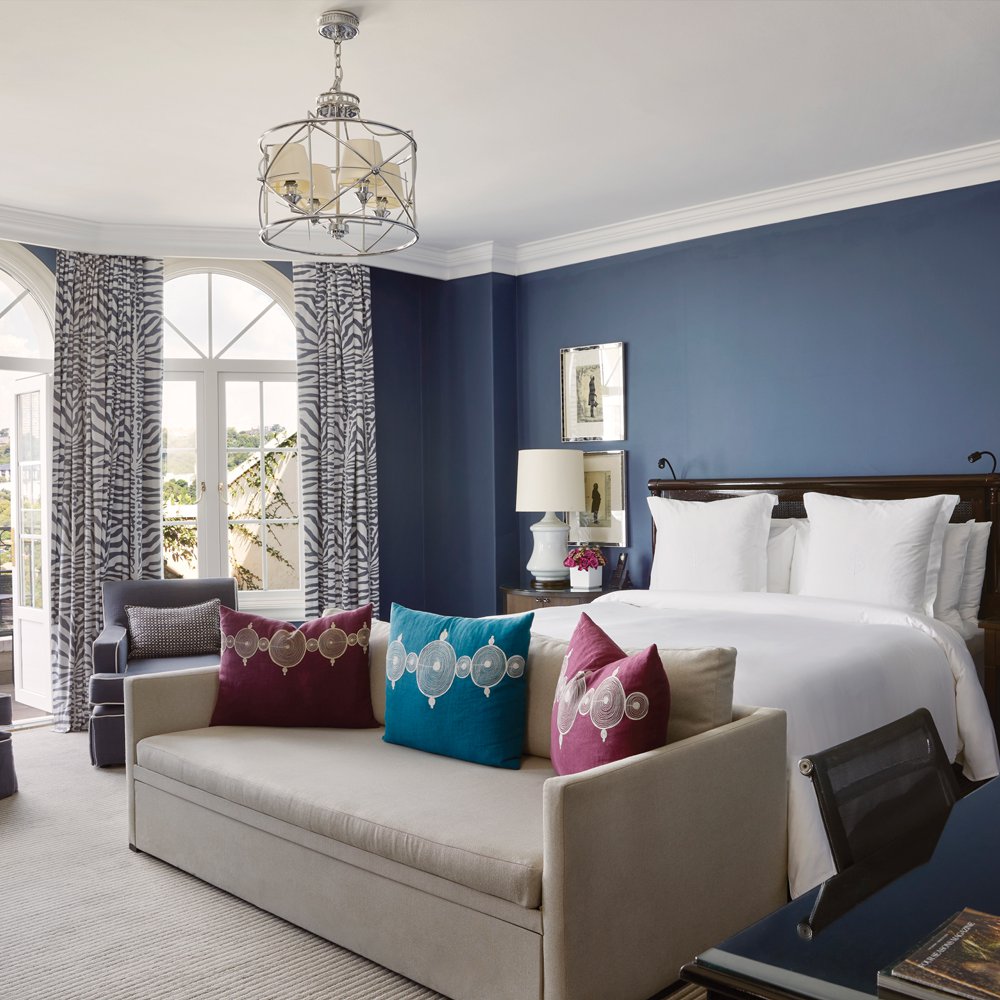
Suites are flooded with natural light
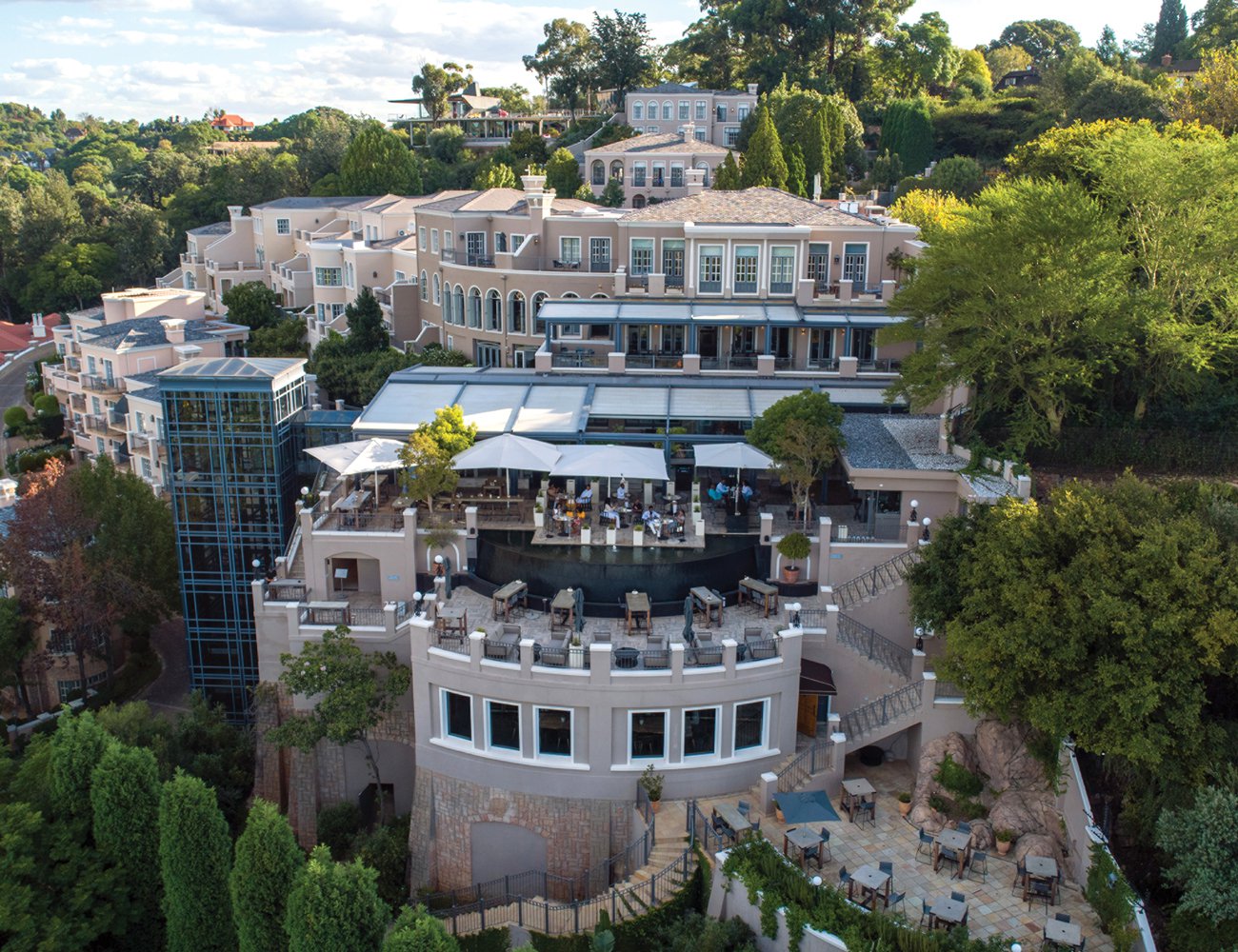
The property is built to look like a secluded hillside retreat
When asked what drew him to the culinary field, he confesses “cooking is almost like meditation…it allows me to get lost in a creative world”. His professional journey has been defined by a deep respect for ingredients and where they come from, and he admits the documentary Food, Inc has greatly influenced the style in which he runs his kitchen.
“My mission is to really build a holistic system where we know exactly where things came from,” he says, striving to teach his team to have the same reverence for a tomato as they would for a piece of meat.
For my own meal at Flames, I begin with the Mossel Bay springbok “new style” carpaccio, the venison is so tender its melts like butter in my mouth and the Japanese-inspired dressing made with hot sesame oil, ponzu, chilli, garlic and ginger is a finely balanced union of zesty, savoury and spicy elements that make me want to lick the plate. The Karoo lamb shank from the signature main collection marries classic and local flavours, arriving on a comforting bed of pomme purée, with chakalaka and ras el hanout carrots lending a distinctly savoury and aromatic character to this hearty dish. And since I’m in South Africa, I must end the meal with the Four Seasons spiced malva pudding. You’re probably going to see this traditional dessert on many menus across the country but here it’s been given a touch of sophistication with a silky Amarula crème anglaise infused with cinnamon and allspice, and ginger gelato providing the perfect foil to the sweetness of the spongy, cake-like pudding.
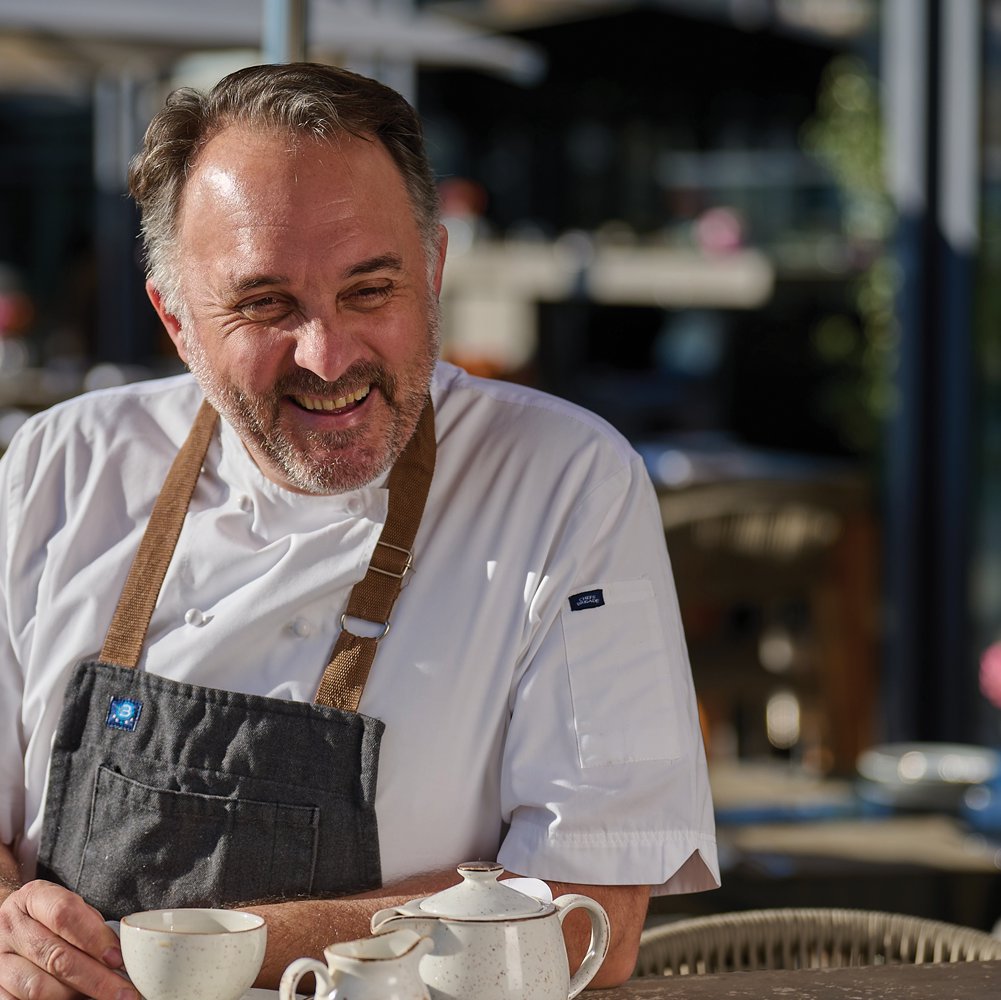
Executive chef Rudi Liebenberg
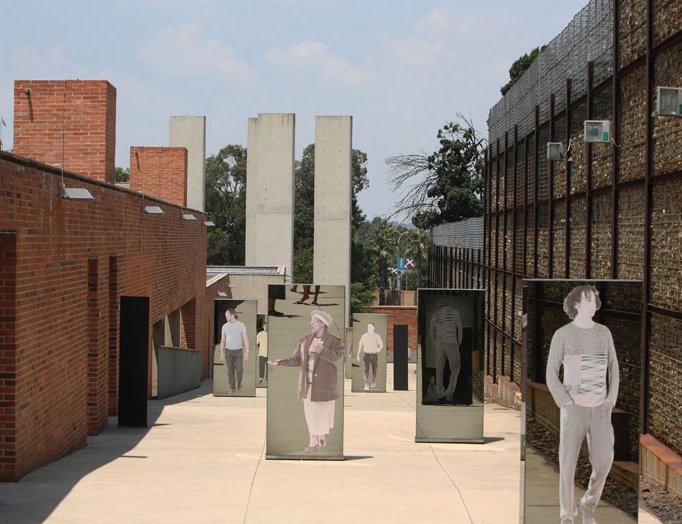
Apartheid Museum
Tucked away in this luxurious bubble, it’s tempting to stay put all day lounging by the pool or getting pampered at the spa. But to truly understand the soul of Johannesburg, you must venture beyond the sanctuary of the property’s ivy-covered walls. The hotel offers experiences that showcase the region’s history, culture and wildlife, from day trips to Pilanesberg National Park, located in an ancient volcanic crater, and Dinokeng Game Reserve where “you’re most likely to see all the Big Five in one visit because it’s much smaller than Kruger” to tours of art galleries showcasing local artists’ works.
But it’s the guided tour of Johannesburg that offers a profound glimpse into South Africa’s recent turbulent social and political history. My half-day trip includes a visit to the Apartheid Museum and Constitution Hill, and it is a necessary and deeply moving experience that contrasts the peaceful haven of the hotel with the emotional reality of the city’s past. I wasn’t prepared for the raw feelings Constitution Hill stirred within me. Constructed using the bricks from the prison where leaders like Nelson Mandela and Albertina Sisulu endured brutal, inhumane living conditions, it is the highest court of the land where visitors are forced to confront the reality of the hard-won fight against Apartheid that led to the democratic South Africa of today.