



As we enter Breast Cancer Awareness Month, focus turns to a prolific disease that has no doubt touched the lives of someone you know. Classed as the most common cancer among women globally, as reported by the World Health Organization in 2022, it certainly deserves a dedicated month to drive awareness, but it’s important to remember that “breast cancer does not only occur in October,” says Dr. Shaheenah Dawood, adjunct clinical professor and consultant medical oncologist, Mohammed Bin Rashid University of Medicine and Health Sciences. “Breast cancer can occur anytime throughout the year, so you need to be vigilant. I always advocate for people to have a GP that will conduct a healthy person check-up at least once a year, ensuring proper screening and necessary imaging at the right time.”
Staying alert, in-tune with your body and being self-breast aware is also vital, she adds. “Check your breasts in the shower once a month (after a period in pre-menopausal women), and if you feel anything out of the ordinary, seek medical advice immediately. If and when breast cancer is diagnosed, remember it is not a journey that you need to take by yourself. Your medical team, family and friends will be there with you every step of the way.”
It is advice echoed by Jen Blandos, the Dubai-based founder and CEO of Female Fusion, women’s health advocate and two-time breast cancer survivor, who believes surrounding yourself with people who are “positive, future-focused and forward-thinking enables you to see how you can find the good out of what you’re going through.”
Jen was first diagnosed with breast cancer in 2012, aged 38. “I found a lump, though I had no family history, no BRCA gene mutation,” she recalls. “I still remember going for that initial scan thinking it would be nothing, to finding out I had cancer, to an operation, all in a matter of weeks. It took me by surprise.”
Surrounding herself with an elite team of medical experts, including Dr Shaheenah, each tasked to oversee part of Jen’s cancer journey, from diagnosis and surgery to treatment and ongoing holistic healing, Jen underwent 35 rounds of radiotherapy followed by two years of scans to monitor the cancer. “Back then, I was running a business, trying to look after my [young] kids, and I was just happy to have it done. When they told me [the cancer] was gone, I had the mindset of ‘that’s it, end of story’. It became a thing of my past.”
However, in April this year, during one of Jen’s annual scans, another lump was detected and, following a biopsy, she was diagnosed with breast cancer again. “It threw my life into upheaval, because I really wasn’t expecting it,” she explains. Undergoing a double mastectomy, followed by 12 rounds of chemotherapy, “the next seven years will be dedicated to trying different drugs to ensure the cancer doesn’t return. But right now, I’m cancer free,” she smiles.
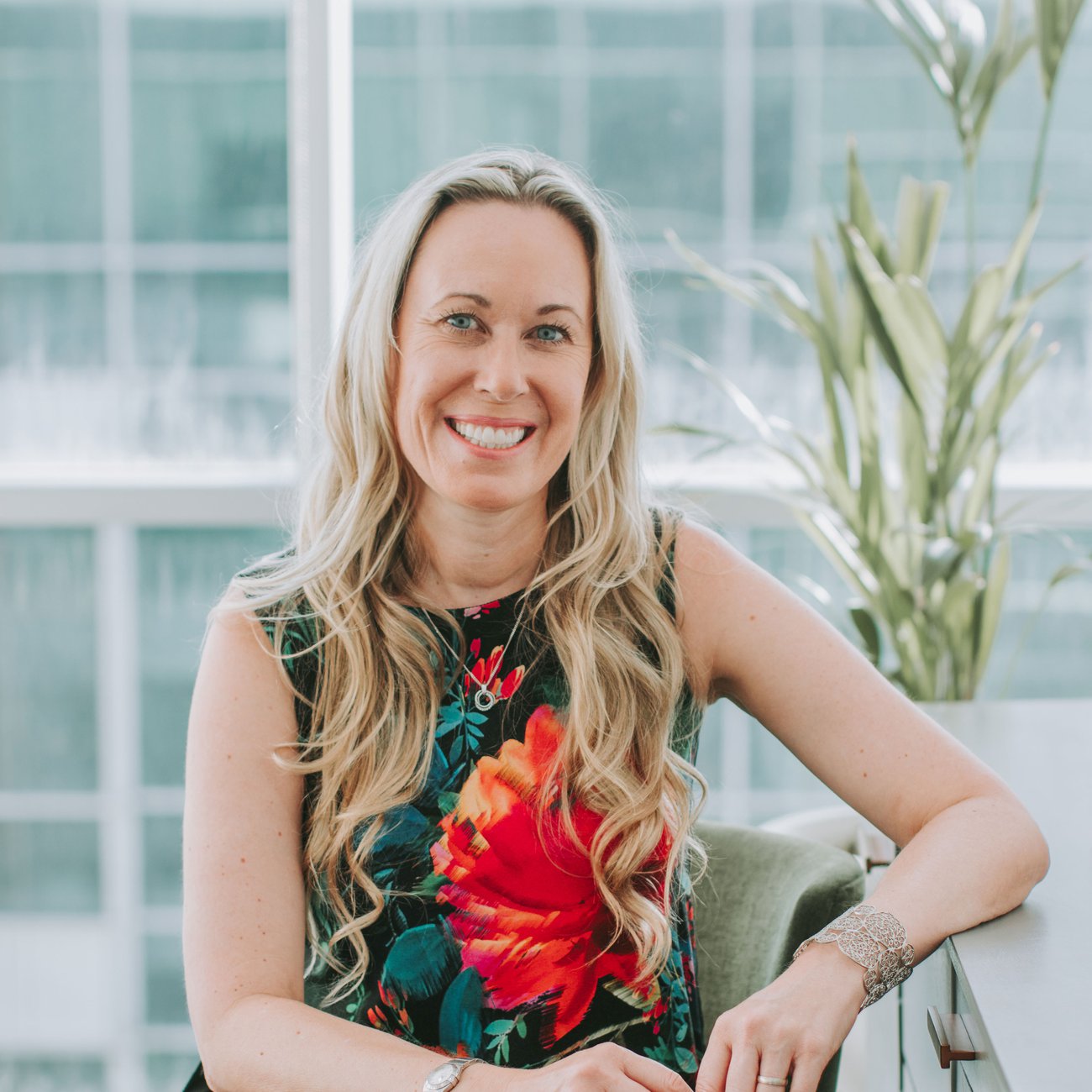
Jen Blandos
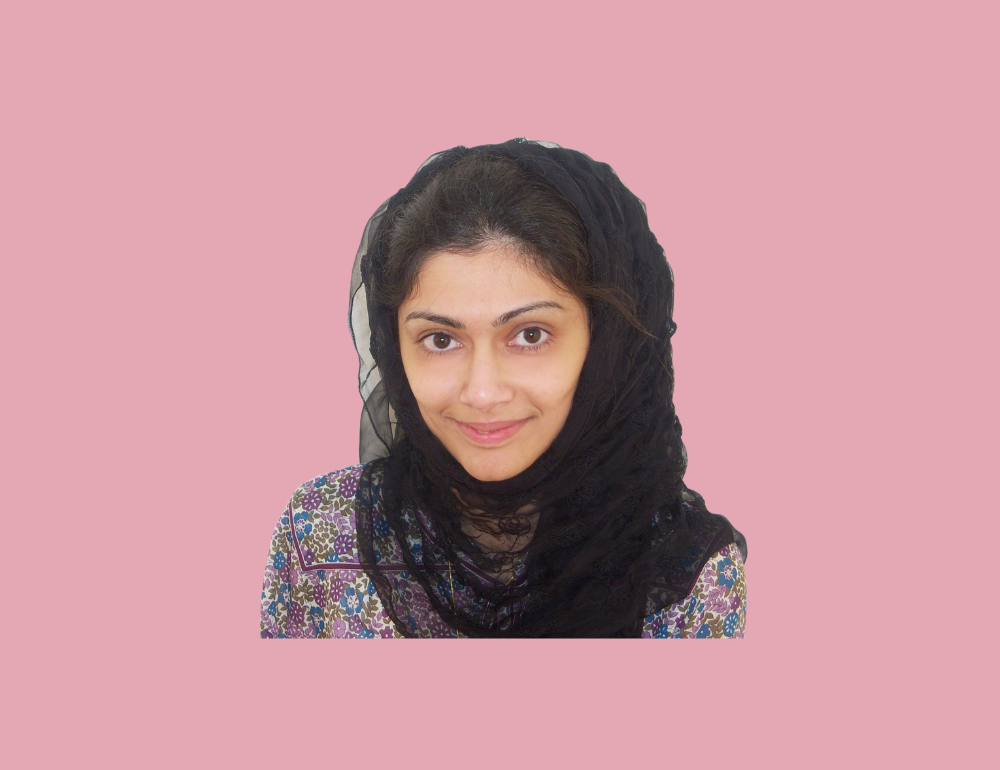
Dr Shaheenah Dawood
No doubt a frightening and challenging journey, Jen chooses to focus on what cancer has given her, rather than what it has taken away, turning a health crisis into the opportunity to speak openly and avidly about both surviving and thriving through a breast cancer diagnosis – in particular, the importance of exploring treatment and recovery avenues that offer a holistic approach to healing. “You have your oncologist that oversees the cancer drugs,” she explains, “but what about your health, your nutrition, sleep, exercise and creating good habits and discipline?”
This is where Dr Heidi Kussmann steps in, a licensed naturopathic doctor and board-certified naturopathic oncologist at Burjeel Cancer Institute Abu Dhabi. “Naturopathic oncology is a subspecialty of Naturopathic Medicine that applies evidence-informed treatment with conventional cancer treatments,” Dr Heidi explains. “Naturopathic approaches may be used in addition to surgery, radiation therapy, chemotherapy and immune therapies to manage quality of life and side-effects and have evidence to show in human trials that specific combinations can enhance therapeutic outcomes.”
It’s a more holistic approach that, Dr Heidi believes, can have distinct benefits when adopted from the start of a cancer diagnosis. “[Naturopathic oncology] should be a part of a breast cancer treatment protocol from the time of diagnosis, treatment and beyond to recurrence prevention. On average, the treatment for breast cancer is about 19 months,” Dr Heidi explains. “It’s hard enough to hear you’re diagnosed with cancer, then the second challenge comes with the treatment duration and the side effects. Cancer treatment is not a one-and-done option. It can feel like stepping up to the start of a marathon with no training, because it’s not as if a switch turns off and you go back to your pre-cancer normal after treatment. There have been some changes to your endocrine and immune systems, and those changes affect the rest of your body.”
What does naturopathic oncology look like? “It’s about maintaining resistance training to keep up your energy levels, immune function, bone and muscle mass; managing side-effects at the start rather than when they are severe; understanding what protein looks like at each meal, and how to time food intake to minimise side-effects,” Dr Heidi explains. “I can also prescribe acupuncture, IV therapies, nutritional and botanical items, which can help chemo work better and alleviate stress and anxiety. I have many resources, and for each patient there is a personalised solution.”
With Jen under the expert guidance of both Dr Shaheenah and Dr Heidi, her cancer recovery journey has embraced this synergistic healing; combining oncology medication with eating well, researching what foods are right for the type of cancer she has to nourish and nurture her body best, ensuring smart sleep patterns and exercising to help lessen the side-effects of chemotherapy.
Simultaneously, Jen believes that building a strong support network can be just as instrumental to recovery. “You need people who will check in on you and recognise when you’re feeling low and offer help,” she advises. “It’s okay to be angry and to kind of sit in it for a moment, especially when you’re feeling grim. But it’s important to be able to find things that you can do mentally to pull yourself out of it.” This comes with practice, she reassures, but can be as simple as “mantras or things that you say to yourself, such as, ‘I can’t change it, it’s happening, but what I can control is how I look after myself’. Or ‘while it sucks to have this, I’m so grateful to be in this country with access to amazing doctors and care’, or that ‘I’m grateful they found the cancer today rather than a year from now’. Yes, it’s tough, but there is a lot to be grateful for.”
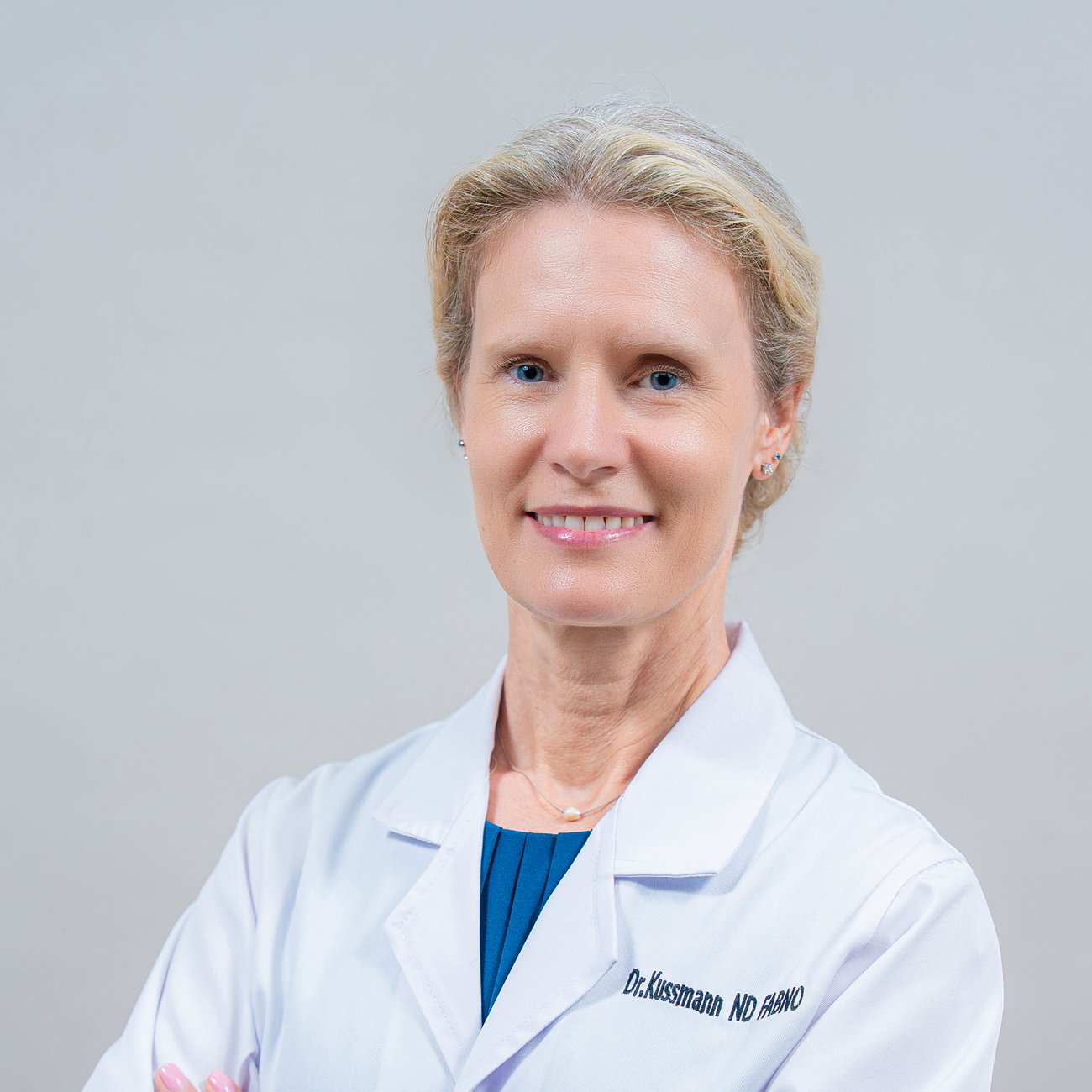
Dr Heidi Kussmann
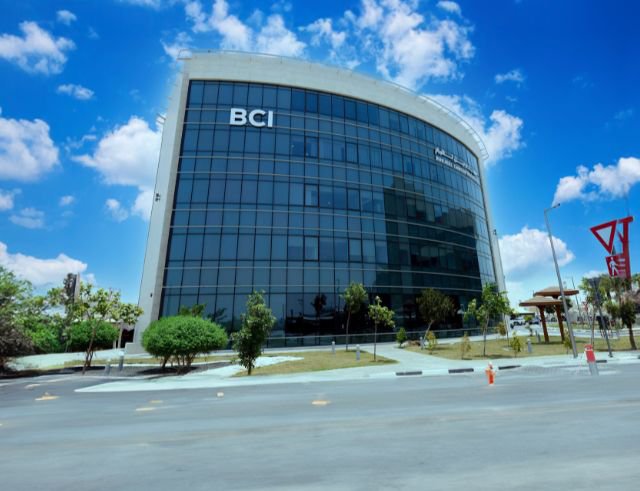
Burjeel Cancer Institute
Having treated many patients diagnosed with breast cancer, Dr Shaheenah has learnt that each patient should be treated not as a ‘patient’, but as a person. “Each person is unique, an individual, not just another statistic,” she asserts. “They crave their own journey through the treatment, learning to deal with it in their own unique way. And what I’ve learnt is that no matter what, they can face it – and if recognised early, they can beat it. I tell the people who come to see me to be the amazing human beings they already are and fight. No one else will do it for them!” There will, of course, be people around them, including their medical team, supporting every step of the way, she assures, adding, “Never be afraid to ask for that help, even if it is only for emotional support.”
Dr Heidi, a cancer survivor herself, concurs with the value placed on positive reframing of one’s mindset. “While cancer is life-changing and one of the hardest things you will ever go through, you can do hard things,” she champions. “Find all the resources you need to be successful and use them. Start looking straight away for the people who can help you. Find your tribe and gather them around you. Bring gratitude to every day, look for the positive moments, events and people or pets who help you. It makes hard days possible, and you will realise how strong you are.”
For Jen, her journey has encouraged her to turn a negative experience into a positive outcome, from creating a ‘chemotherapy guide’ for fellow patients, to using her own journey as a driving force to promote new pillars around health and wellness within Female Fusion “I feel, even though [breast cancer] is terrible, it has been an opportunity for me to help others, to guide women through it, to help them gain a better understanding of cancer, and to help them feel less alone. I’ve had so many women reach out to me – either part of my Female Fusion community or on social media – and say, ‘I booked a mammogram because of you’, or that someone now feels less afraid, and even those who finally had the courage to book an appointment and found out they had cancer. I never thought I would have this community of women, and it’s a great privilege to be able to bring them together, to let them know that it’s okay to be vulnerable, to have a tough time, to need help. That’s what I’m really focused on.”
Awareness, advocacy, action and emotional support – all vital tools in tackling breast cancer, as the science of wellness and holistic healing converge to nurture mind, body and soul on the journey back to health.
DR SHAHEENA’S GOLDEN RULES
- Be self-breast aware and don’t ignore changes
- Do the screening when it is time
- Be proactive and recognise early signs and symptoms
- Know your family history
- Keep track of your medical records as no one else will
- Examine your breasts regularly
- Lead a healthy lifestyle
- Exercise regularly
- Supplements will not prevent or treat breast cancer
- Not all supplements are good. Get a professional to guide what you can and can’t take.