




The best back-to-school strategies for parents to help kids reach their full potential

We’ve lined up an elite squad of experts to get their top-line advice to help ensure your kids not only enjoy being back at school, but excel, too. From fitness and nutrition to goal-setting and best sleep practices, it’s time to bring their A-game.
1 THE IMPORTANCE OF MOVEMENT
“Physical activity increases blood flow to the brain, improving focus, memory and classroom performance and active children often show stronger problem-solving and critical-thinking skills. Participating in sports and movement also builds self-esteem, social skills and emotional regulation. So, balancing time between study and physical activity is important, especially as children return to school after the summer break.”
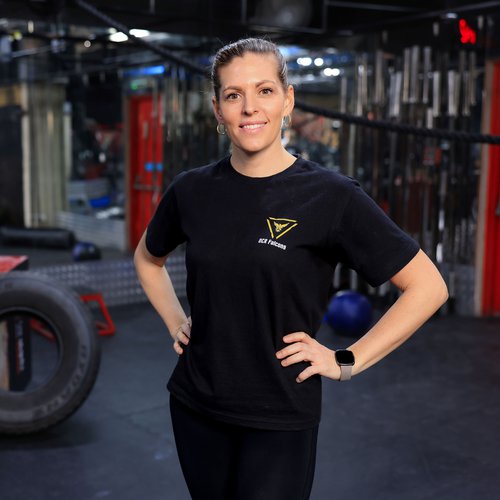
Lisa Davage, co-founder and owner of OCR Falcons
2 THE POWER OF SLEEP
“Research shows that sleep is vital for retention of information, recall and memory. Without the right amount for their age, children will struggle to meet the learning expectations they could achieve. While a lot of children will have had fewer boundaries and routines during the holidays, which is normal, when children are back to school, they need a proper amount of rest to thrive and focus. To do this, set boundaries and expectations and be clear and consistent with these. Implementing a regular bedtime and morning wake-up time will help to ensure the right amount of rest. Dark rooms and cool temperatures also support a restful night.

Claudine Gillard, paediatric sleep coach
3 BRAIN-BOOSTING LUNCHBOXES
“Good nutrition isn’t optional – it’s foundational, as food directly impacts everything from gut health to brain power. And as kids head back to school and viruses start making their rounds, food is more than fuel – it’s their defence system. Prioritise immune-supporting nutrients like Omega-3s (great for focus), zinc, vitamin C and magnesium. The best way to cover all these nutrients? Variety. The more colours and textures, the better. Here’s the golden rule: If it doesn’t help them focus, fuel them, or fight off illness – it doesn’t belong in the lunchbox.”

Mirna El Sabbagh, licensed dietician
4 READJUSTING TO NEW ROUTINES
“When young people go back to school, it can feel overwhelming with all the new routines, stricter schedules and heavier workloads, so it’s important to establish a consistent routine that feels comfortable and manageable. By planning their day, they can know when it’s time to study, relax or enjoy fun activities – this can make a big difference! Please encourage them to ask for help from teachers, parents or friends; they don’t have to handle everything on their own. If they face a big project, help them break it into smaller, more manageable steps. And don’t forget to remind them to celebrate every small win along the way – it’s a great motivator. Self-care is just as important. Remind them to get plenty of sleep, eat well, limit processed and fast foods and stay active. Making time for relaxation is essential, too. Taking care of their body and mind will not only help them feel good but also give them the strength to handle any challenges that come their way.”

Carolyn Yaffe, counsellor and cognitive behaviour therapist, Medcare Camali Clinic
5 GOAL-SETTING FOR STUDENTS
“I encourage students and parents to focus on skills rather than only grades. It is important at the beginning of the school year to try and gauge what skills are required in order to thrive and succeed, academically, as well as socially and emotionally at school. Oftentimes, parents and students assume that skills such as time management, making new friends and even knowing ‘how’ to study are already available to the student. However, the reality is that these are skills that we often need to acquire and regularly work on. As for goals, I encourage students, with their parents’ and teachers’ guidance to set SMART goals (specific, measurable, achievable, realistic and time-bound), and to schedule regular check-ins to monitor progress and make changes if the strategies used are not working.”

Roh Hafez, life coach at The Hundred Wellness Centre