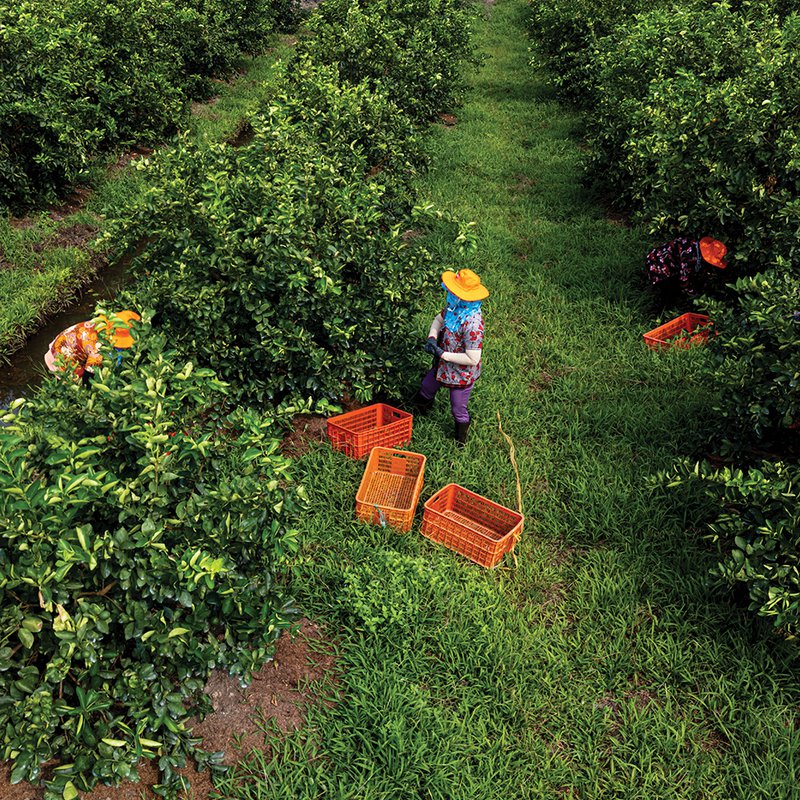




The King of Japanese Fruits has a very broad domain. That regal title was bestowed upon the Fuji muskmelon for its profound delicacy, superior quality and sheer popularity in its native country, but many other markets are developing a taste for it, too – across Southeast Asia and indeed the UAE, where Spinneys stocks the exquisite specimens grown and shipped by Agriteck Japan. And while each fruit begins with a Japanese F1 hybrid seed, it finds perfect shape, form and flavour at Agriteck’s specialised farm in Lâm Đong, Vietnam.
“Here you can experience all four seasons in a single day,” says farm manager Arita Koji at that site in the central highlands, near the regional capital Đà Lat. The weather may change by the hour but the climate remains mild and cool all year. Coupled with deep red, iron-rich, basaltic soils that draw their fertility from ancient volcanoes, “the conditions are ideal for agriculture in general and fruit cultivation in particular,” says Arita.
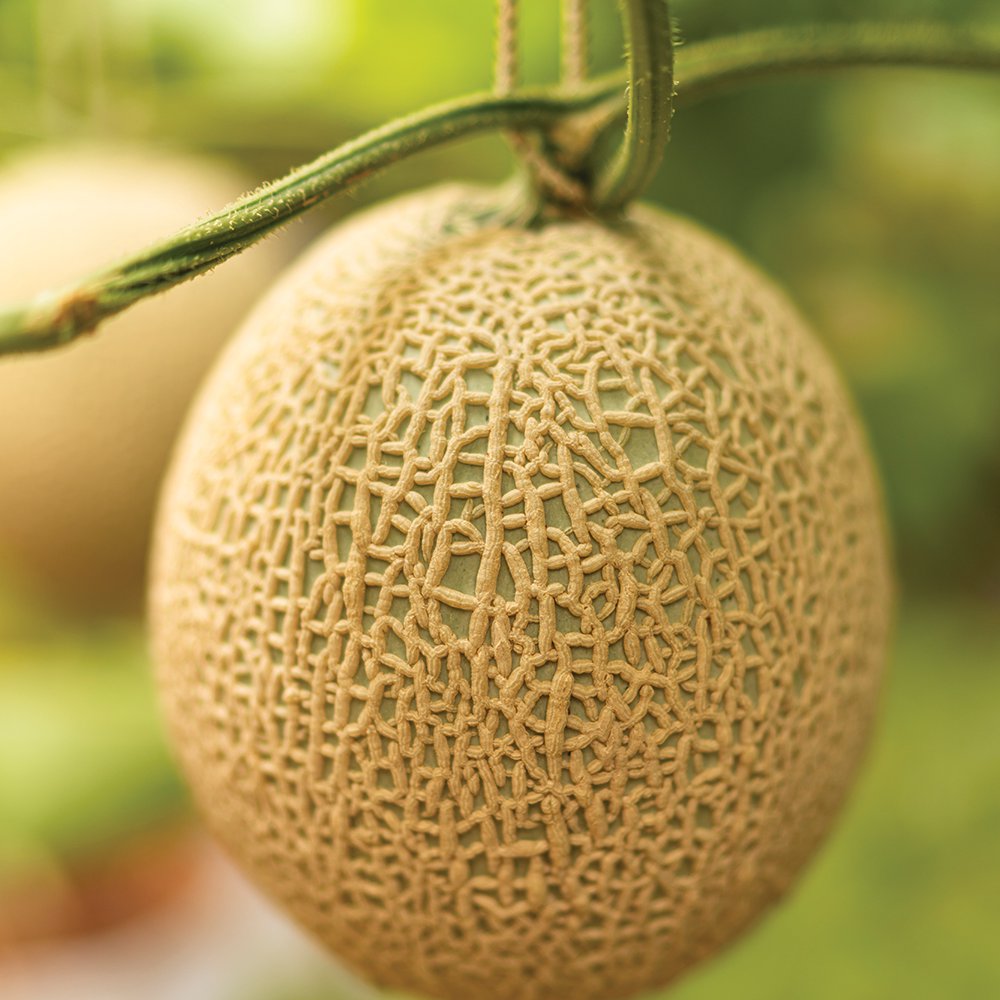
The Fuji muskmelon is called King of Japanese Fruits
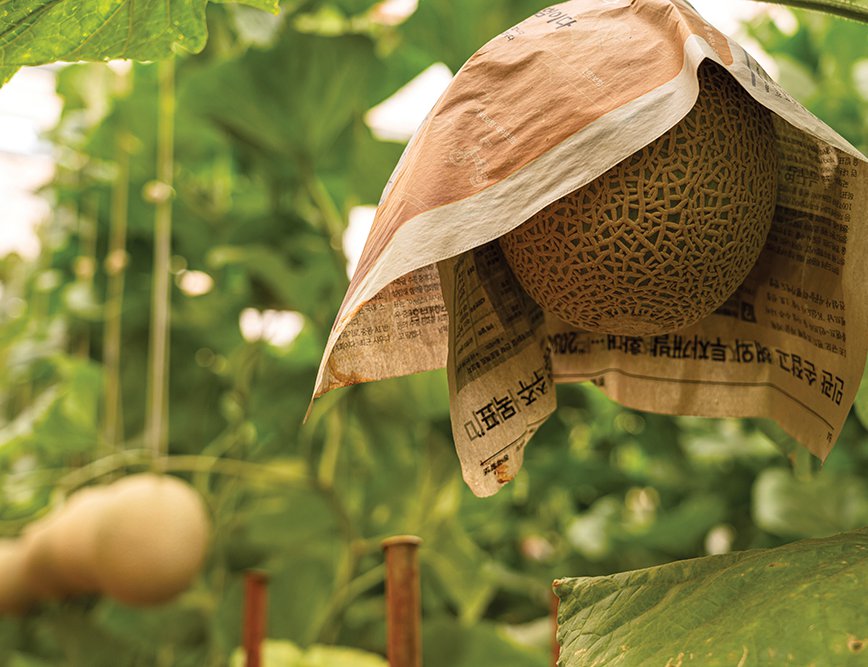
The fruits are wrapped in newspaper through part of the growing period to shield them from UV rays and to gain maturity
Even so, the Fuji muskmelon relies on a very particular balance of advanced technology and hands-on farming expertise. For one thing, it’s only grown in greenhouses that cover nine separate zones across almost two hectares, all with automated roof-opening and control systems imported from Japan. “We strictly monitor temperature, humidity, light and other environmental factors for each stage of the melon’s growth.”
At the same time, says Arita, “each one of our engineers is a true artisan”. “Even the smallest mistake in management can immediately impact the quality of muskmelons. [So], our growers must ‘communicate’ with the melons, understanding what they need and how to nurture them into high-quality, high-value fruits.” Current capacity allows for two to three harvests per month and the process is based around a policy of “one fruit per tree”.
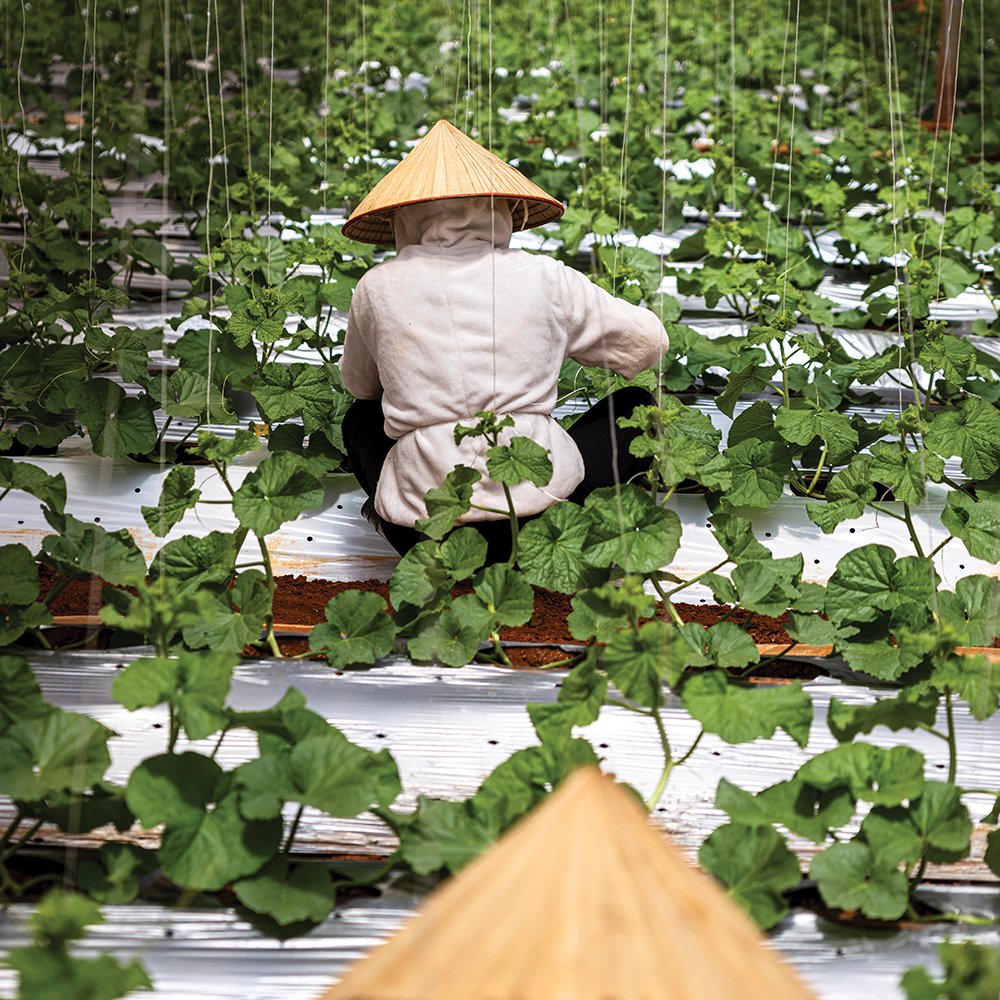
Currently, there are two to three harvests per month
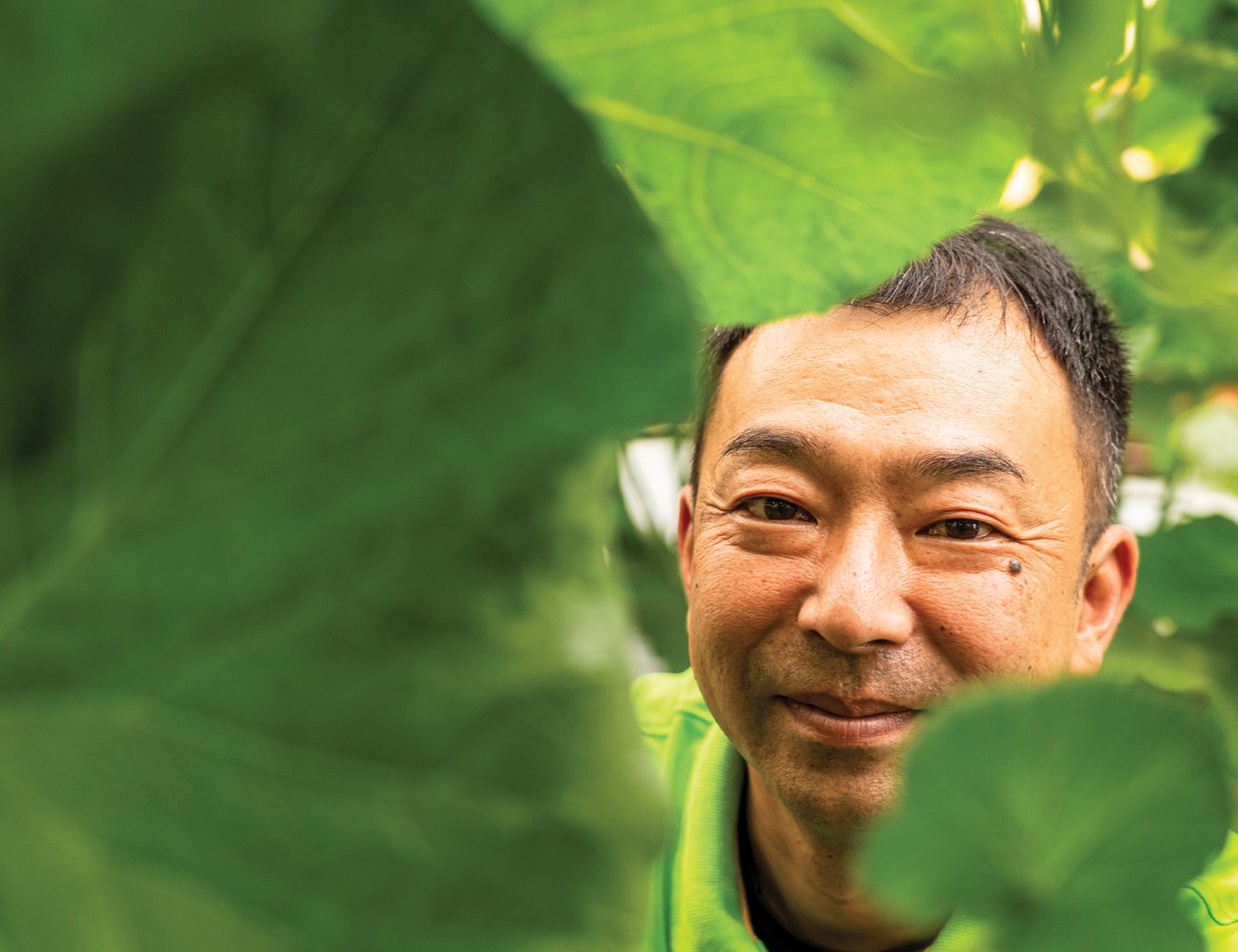
Arita Koji
As the plants begin to flower, they are cultivated in such a way that lesser specimens are steadily removed until only the single best melon is left at the end of the cycle. Wrapped in newspaper through part of the growing period to help them mature and shield them from harmful UV rays, the prized fruit is even more vulnerable when picked.
Agriteck Japan founder Tsuyada Nobuaki explains, “Compared to other melons, muskmelons have a shorter shelf life and more delicate skin, making them highly susceptible to physical impact and temperature changes.” They also continue to ripen after harvest, making them even easier to bump and bruise. Further innovations help mitigate any possible damage and the practicalities of protecting the fruit are bound up in the Japanese gift for presentation. The whole farm at Lâm Đong operates under a certain eye-pleasing aesthetic, with staff dressed in lovely melon-green polo shirts and the packaging designed to match.
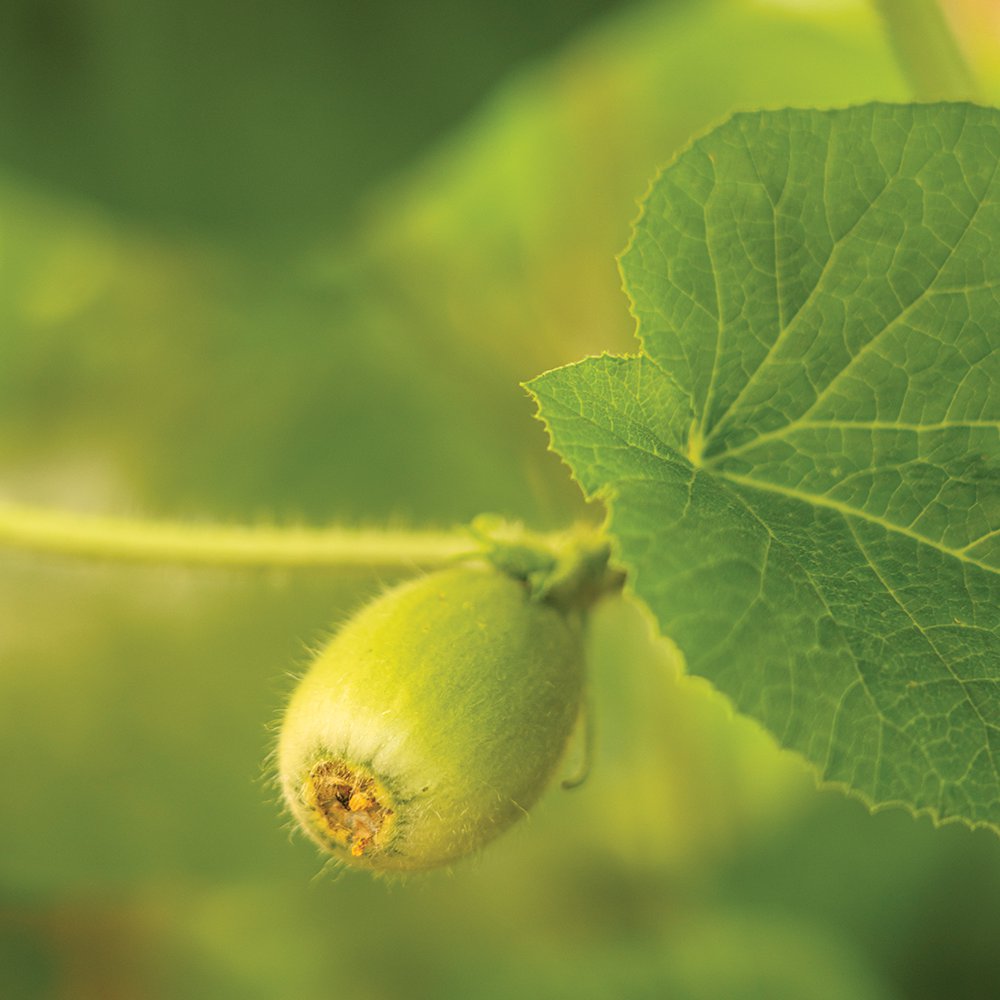
Each fruit starts life as a Japanese F1 hybrid seed
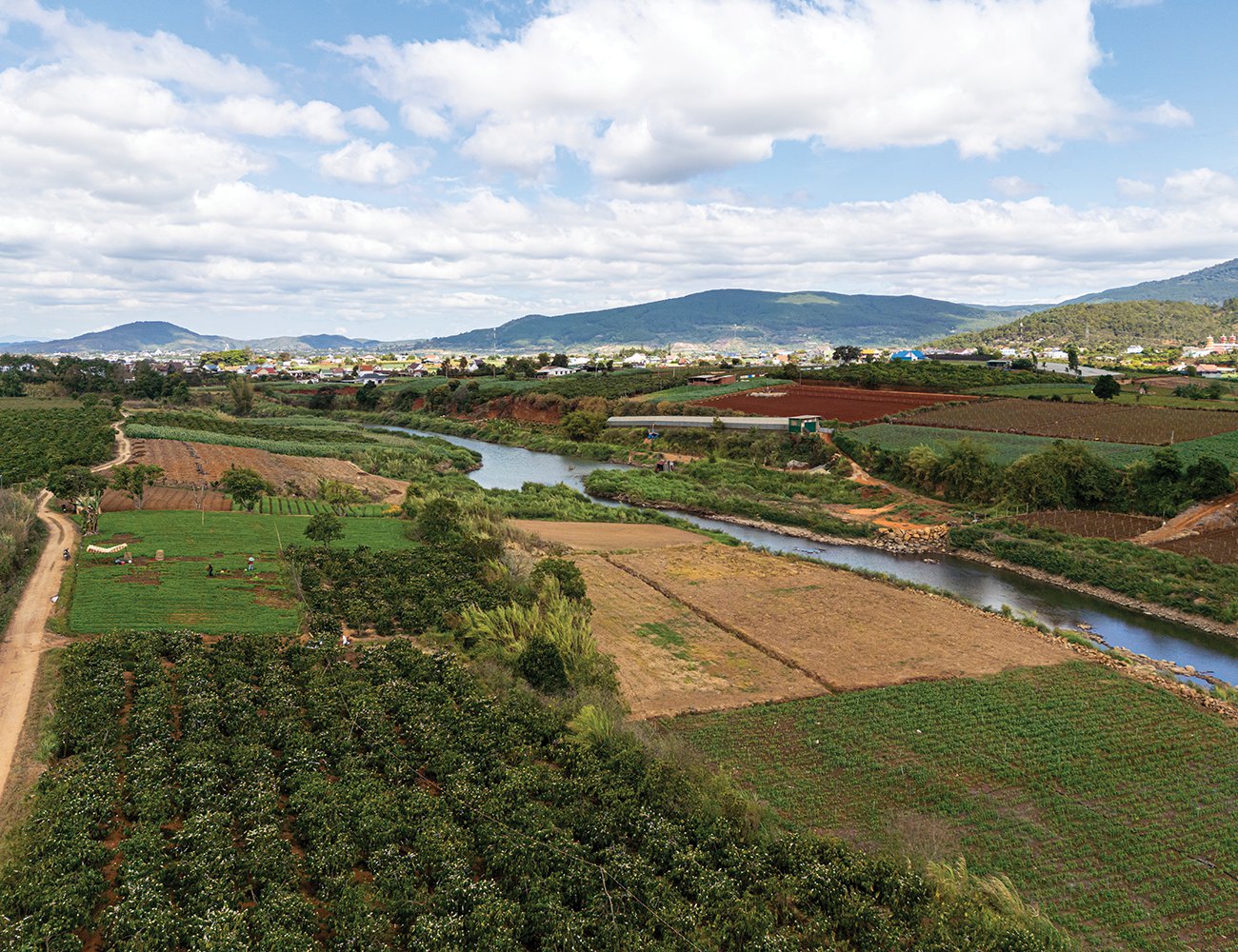
The climate remains mild and cool all year
Extreme care is called for, says Tsuyada, “to prevent drops or rough handling”. “Immediately after harvest, each Fuji muskmelon is carefully selected and wrapped individually in thick cushioning nets. Additional shock-absorbing materials are used to prevent scratches or damage during transport.” Air freight is prioritised for export, ensuring the fastest, freshest possible delivery, with temperatures carefully controlled all the way to supermarkets in neighbouring Cambodia and further afield in Hong Kong, Malaysia, Singapore and Dubai.
The UAE, admits Tsuyada, is “a priority for expansion”. “We believe that Agriteck Japan’s products, led by Fuji muskmelons, will meet the high expectations of customers at Spinneys, one of our most important partners.”
Consider again that every single fruit that makes it all the way to a foreign shelf was the chosen one, above all others on the tree. And Agriteck Japan now picks approximately 75,000 of those winners for sale and export every year. This is how the King of Japanese Fruits makes its presence known in other nations – by only ever presenting the best of itself.
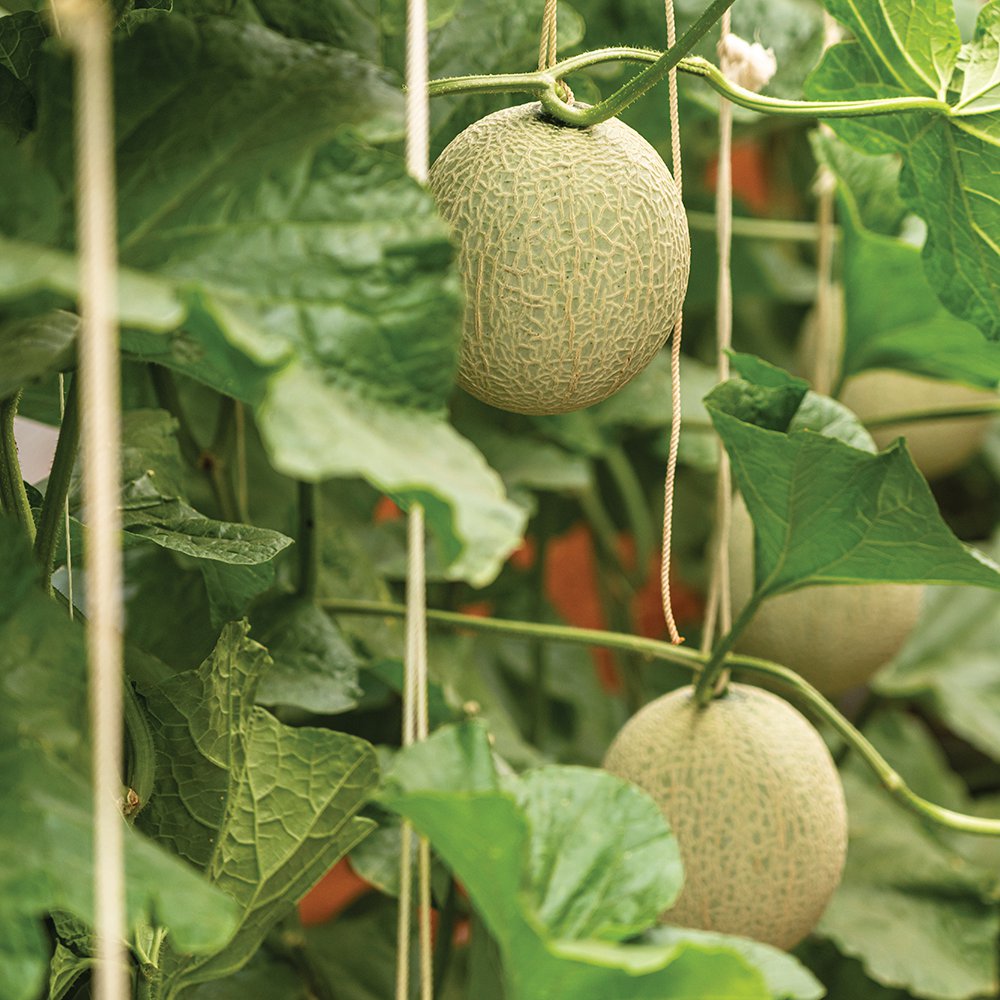
Muskmelons have a shorter shelf life and delicate skin
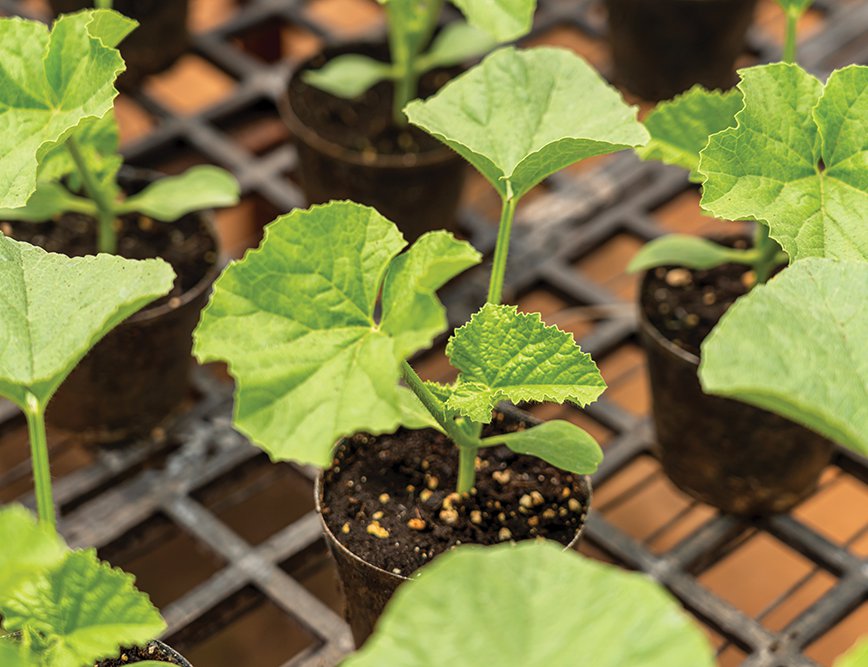
Juvenile muskmelon plant

Spinneys commercial produce manager
Neil Gibson says
The Japanese muskmelon has been a Spinneys customer favourite for a number of years now. But not everyone knows the time, dedication and advanced husbandry that goes into producing these tasty gems. They are also really nutrient rich as all the energy from the tender trailing plants goes into a single melon.
Shop Vietnamese Fuji muskmelon
Grown in a special farm in Vietnam