






Matcha is a shade-grown tea, which encourages the bush to produce more amino acids and sweetness. The leaves should be vibrant, bright green with a rich jade or emerald hue, indicating high-quality and fresh young tea leaves.
Understanding the grades
Ceremonial-Grade Matcha
This is the highest grade of matcha made from the youngest tea leaves. The leaves are carefully stone-ground and the resultant matcha has a vibrant, deep green hue to its high chlorophyll content. It is smooth, naturally sweet, with a mild umami taste and no bitterness. Whisk it with hot water to prepare traditional tea (usucha or koicha).
Premium-Grade Matcha
Slightly lower in quality than its ceremonial counterpart, this matcha is still finely milled and has a bright green colour. It has a mildly grassy flavour with some sweetness and umami notes. Use it to make lattes, iced matcha drinks and mixed beverages.
Culinary-Grade Matcha
Since it is made from older tea leaves this matcha is a duller green. It is earthy, slightly bitter with robust green tea notes. Use it for making baked goods, smoothies and savoury dishes.
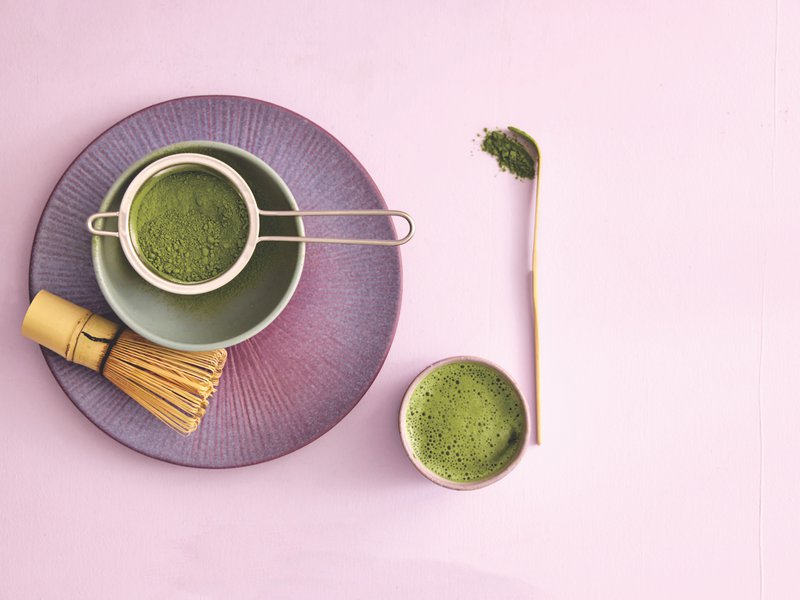
How to brew the perfect cup
If drinking matcha alone, always choose ceremonial or premium-grade products for the best experience. Culinary-grade matcha is ideal for recipes where other ingredients balance its stronger flavour.
Traditional Usucha: thin matcha
- Light & refreshing
- Best for everyday drinking
1 tsp (2g) ceremonial-grade matcha
70ml hot water (not boiling, around 80°C)
Whisk vigorously in a zig-zag motion using a bamboo whisk (chasen).
Koicha: thick matcha
- Intense & bold
- Best for special tea ceremonies
2 tsp (4g) ceremonial-grade matcha
50ml hot water (80°C)
Whisk gently into a thick paste for a rich umami flavour.
Iced matcha
- Refreshing & cooling
- Best for summer drinks
1 tsp (2g) premium matcha
100ml cold water or milk
Shake in a bottle or whisk with an electric frother for a smooth blend. Serve over ice.
Top tip
Never use boiling water (100°C) for matcha – it burns the tea, making it bitter. Always aim for 80°C to preserve its delicate flavour.

The right matcha whisk
The traditional matcha whisk, known as a chasen, is a crucial tool in matcha preparation. Made from bamboo, it breaks up clumps and creates a frothy layer of foam. If you don’t have a chasen, an electric milk frother can produce a similar effect, ensuring you’re always prepared for a perfect matcha experience.
ALWAYS SIFT MATCHA
Matcha clumps easily, so it’s always recommended to sift it through a fine-mesh sieve before adding water. This ensures even dispersion in the liquid and prevents lumps.
WHISKING TECHNIQUE
For a perfect frothy top, whisk vigorously in a zig-zag motion rather than in circles. This allows air to incorporate and creates a smooth, creamy foam.
How to store
Store in an airtight container
Matcha absorbs moisture and odours quickly.
Keep away from light and air
Exposure to oxygen and sunlight causes oxidation, which turns matcha dull and bitter.
Refrigerate if necessary
If you live in a hot or humid climate, keeping matcha in the fridge helps preserve its freshness.
Use within 4-8 weeks
Once opened, matcha is best consumed within one to two months for optimal flavour.
Shop matcha
We stock a variety of matcha powders, teas, beverages and desserts



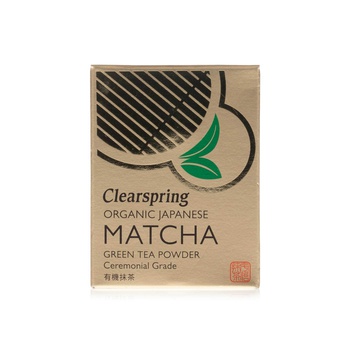


 127.00
لكل
127.00
لكل
كليرسبرينغ مسحوق شاي ماتشا الأخضر الياباني العضوي عالي الجودة 30 غ
المزيد
0