




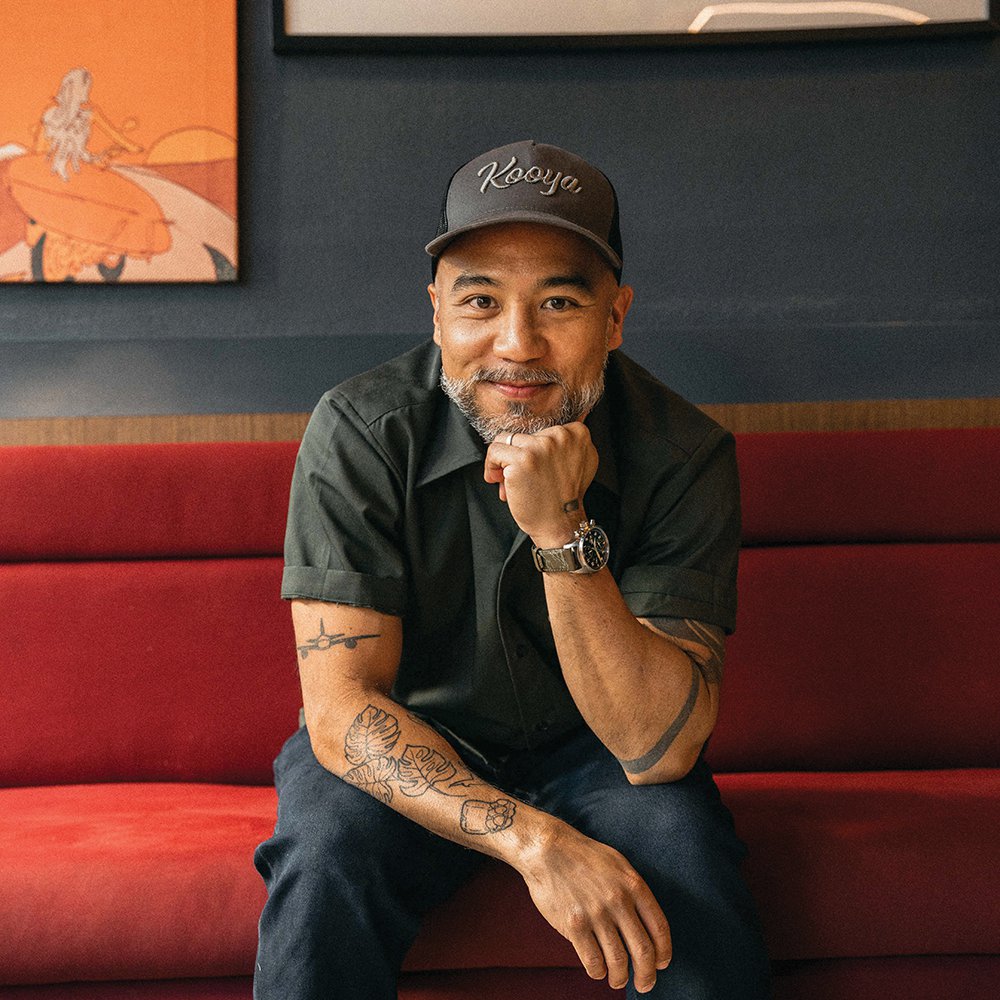
At Kooya Filipino Eatery in Dubai, chef JP Anglo is doing more than just cooking food. Rather, he’s rewriting the narrative around Filipino cuisine, one dish at a time

We’re sitting in front of the pass at Kooya Filipino Eatery and its chef-founder, JP Anglo, won’t stop smiling as we talk about Filipino cuisine, his restaurant and team. Behind that smile is decades of experience in the culinary world where he has been busy carving out a well-deserved space for his country’s cuisine – within the Philippines itself and now the UAE and globally.
JP made his way to Dubai about four years ago and that’s when a spark was ignited. JP says, “Dubai is a dynamic place. A hotel group invited us over to do a pop-up. We came, we cooked and we realised that we could change a person’s morale and happiness through food.” He pauses, and says, “Food is really one of the strongest currencies. And food brings us together. Food breaks boundaries.” Soon after, he launched Kooya Filipino Eatery in the heart of Dubai Marina, where Filipino culture is recognised and celebrated.
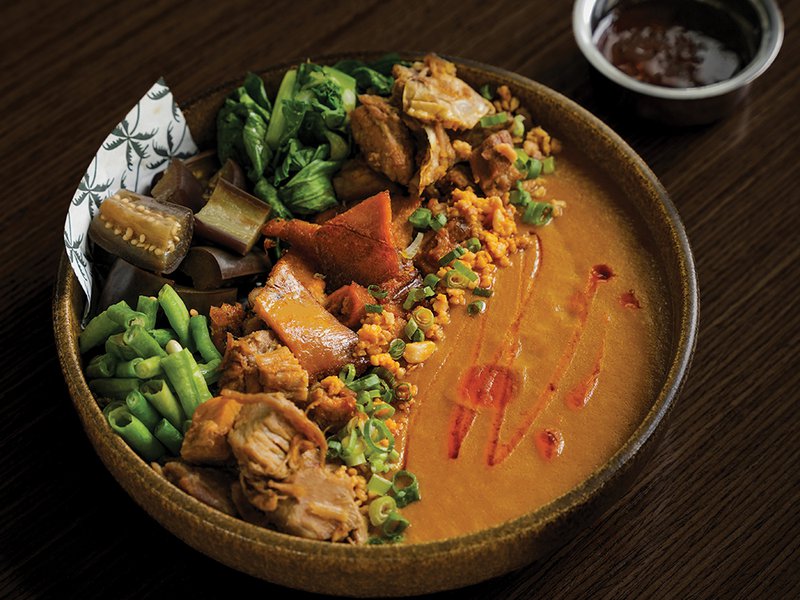
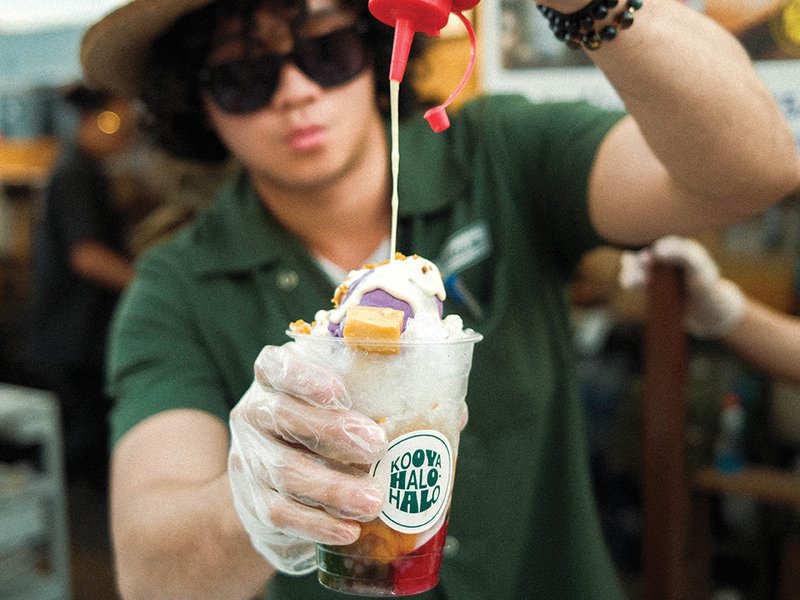
But getting to this point was anything but linear. He says, “One thing I’m really good at is cooking. It gives me great joy to feed people. It gives me great joy to see someone smile because of food.” Discovering that was a process in itself. He says, “I tried other things and failed. I was in three universities… it didn’t work. When I went to the Center for Culinary Arts in Manila, something worked.” He does admit it wasn’t smooth sailing. Time spent in Australia at Le Cordon Bleu tested him further, but it also built the backbone of who he is now. “It was a hard phase of my life, but that taught me resilience. It was literally earning your stripes. I am who I am because of that.”
While his first restaurant was opened before he went to Australia, after returning home, he opened an Asian restaurant that remains open to this day. But it was his sister’s question that redefined the direction of that restaurant and of how he approached food. He reminisces, “My sister said to me, ‘JP, you’re Filipino. You come from Bacolod City. Why aren’t you cooking our food?’ I realised she had a point.” So, he started with a little Filipino section within the Asian menu. Then he decided he wanted to go to Manila and cook Filipino food there. “I wanted to get out. I wanted to roll with the big boys. And I thought I was ready because I had my training in Australia. But there were the same challenges: I got to Manila, no one knew who I was, no one believed in me,” he says. Still, he pushed forward. “I’m used to rejections. I’m used to failures. But I know how to claw my way back.”
And so he did. Eventually, his Manila restaurant, Sarsa, did so well, that he was able to expand to six venues within five years. But then, after experiencing the intense demands of running multiple venues, he scaled back. “I just realised I’m not the type of chef who’s good at the volume game. Now I have one and it’s delicious. I know every single one of our team members.”
It’s this very back-to-basics approach that he’s brought to Kooya in Dubai. “Let’s prove to our fellow Filipinos that our food is good, that our food can go beyond the doors of our house.”
JP believes that one of the biggest challenges in bringing Filipino cuisine to a wider audience is perception. “Some people think that we begin and end with lumpia, pancit and adobo,” he said.
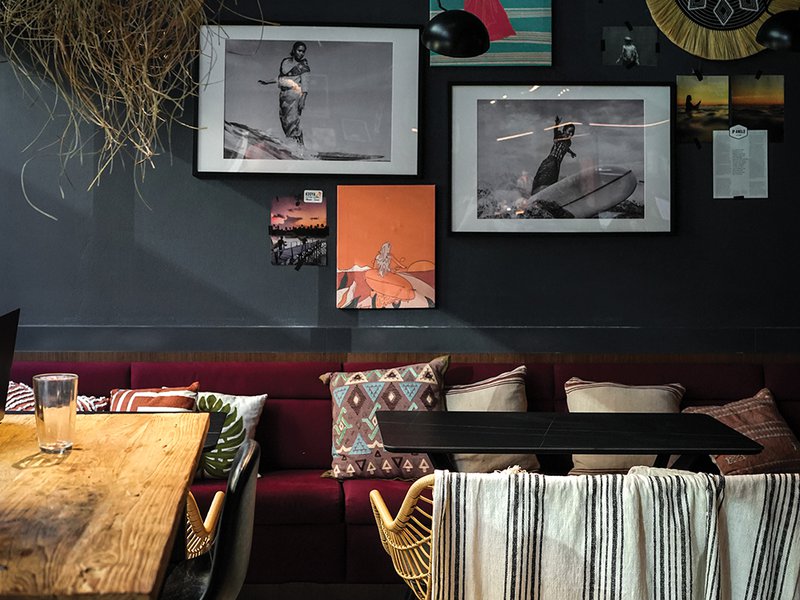
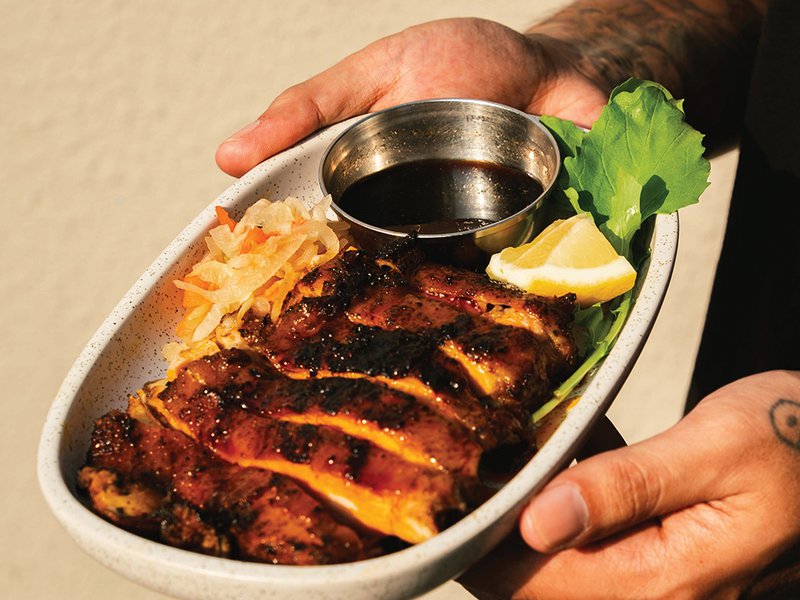
The way people respond to Kooya shows the emotional power of food, especially among the Filipino diaspora. He says, “They say it tastes like home, like their mom or their grandma cooked it. I guess what they’re tasting – cheesy as it may sound – is a lot of love.” For non-Filipino guests, the experience often comes as a surprise. “They thank me. When I ask why, they say that we have been coexisting with you for decades, that we start with friendship, karaoke and drinks – but never reach food.”
Awards and accolades are rolling in, but JP remains grounded. “We are extremely honoured and flattered. The team is in high spirits – they are so proud to work here and to cook Filipino food. But my dad would always tell me, ‘Never rest on your laurels. Be good at what you do and money will run after you. When it comes to your job, always strive to be better.”
He’s continuing, therefore, to spread the word about Filipino food. JP says, “I know our product is good. I know our cuisine is good. Let’s stand our ground – because we have a tendency of [stepping back]. Our job as the next generation is to make it cooler, make it more accessible and relatable. But at the same time, not losing the very essence or soul of our cuisine.”