



Weighty matters
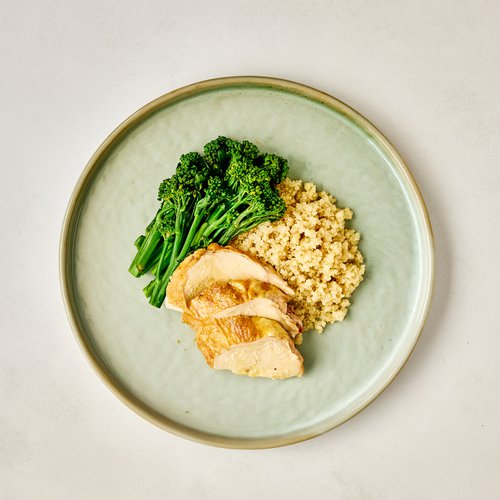
Ozempic, Wegovy and similar semaglutide-based drugs are steadily reshaping society. Developed to treat diabetes, deployed against obesity and adopted by celebrities as a sure-fire way to slim down, these “GLP-1 receptor agonists” are now so commonly prescribed that they’re also driving major changes in consumer behaviour. A recent report in the Harvard Business Review examined the knock-on effects of so many people so effectively regulating their blood sugar and slowing the process of “gastric emptying”. Even those not actually taking these treatments are following meal plans that mimic their effects: eating less but more often, leaning on low-glycaemic comfort foods, packing the most possible nutrients into controlled portions. Meanwhile, restaurants are chosen for social experiential value as much as menu options, clothes stores are seeing customers shopping for whole wardrobes to fit their new svelte profiles and some even say that airlines may soon be using less fuel as their loads become lighter… 2026 will see us moving further and faster into that future.

Moral fibre
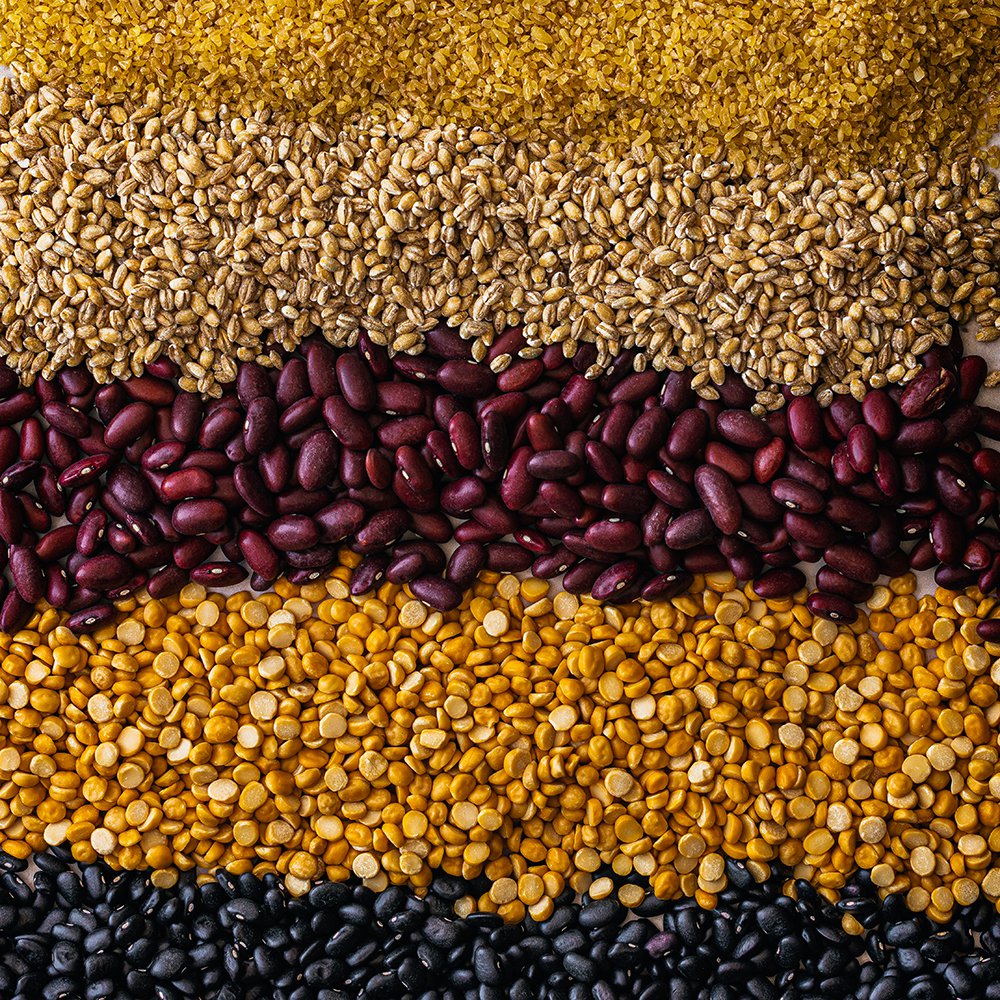
In the last decade or so, the gut microbiome has emerged as the source of at least half the health problems in the world – as well as potential solutions. And if we now know that the gut operates a lot like the brain in terms of sending messages through the body, it seems to be telling us one consistent thing: “eat more fibre”. We haven’t really been listening. The UK’s National Health Service estimates that 96% of people still don’t get the recommended 30 grams a day, and the rise of colon cancers in young people has been linked to this general deficiency. This might be the year we turn things around by way of “fibremaxxing” – just packing more into our diet by way of the foods that nutritionists have been recommending for ages now. Think rolled porridge oats, chickpeas, raspberries, seeded breads and other high-fibre carbs like wholewheat pastas, as well as “daily gut rituals” involving tonics, teas and digestion-boosting shots.
Hyper-convenience
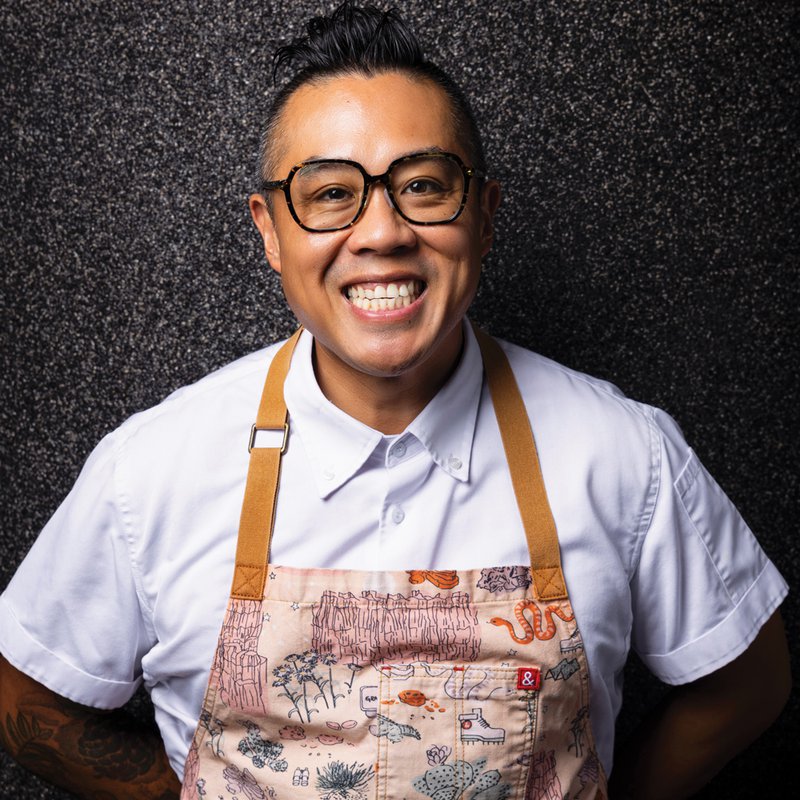
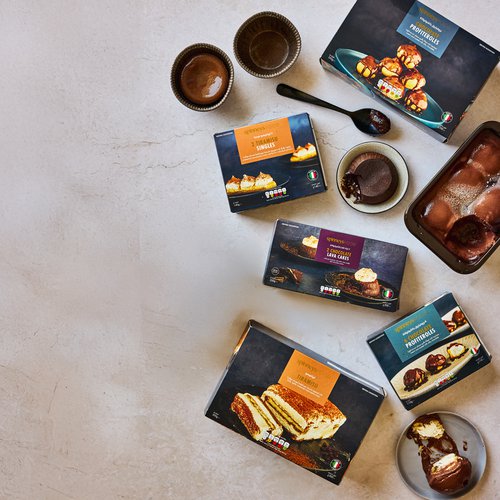
Ready meals and convenience foods used to be cheap, quick and easy at the cost of flavour and pleasure. Lately the gap at the quality end of the frozen food market is being filled in by celebrity chefs like Gordon Ramsay and Ester Choi, who seem to have cracked the formulae for pre-packed signature dishes like sesame chicken or fish and chips that taste almost as good at home as they could made fresh. Everything is changing in the takeout sphere, too, as the latest tech innovations will bring healthy, high-quality food to your door at literally superhuman speed in 2026. Hyper-local cloud kitchens can now house multiple brands to prepare food and personalise menus with AI-enhanced efficiency, while operators like Flytrex, Wing and Aviant are already deploying hot meals by drone in the US, Iceland, Australia and Sweden, with many others sure to follow.

Cross-cultural comforts
Indulgence has been a little overdone in recent years, and now seems increasingly out of place in such a worrying world. Consumers are turning to comforting, home-style bakes and bowls, while global-mindedness and social media add their own demands for newness, specificity and virality. This is how you get recent worldwide hits like the ube bun, which made a star of the Filipino purple yam with its nutty vanilla flavour and eye-popping photogenic colour. Or the matcha croissant, which sets buttery, flaky Frenchness against the earthy greenness of Japan’s signature ceremonial tea powder. Wonderful 21st-century comfort foods are being made across culinary borders – LA food truck pioneer Roy Choi has led the way with the likes of kimchi tacos and many others will surely follow in 2026.

Functional sips
Caffeinated energy drinks have been ruling the beverage market for a while, but now we’re seeing new hydration formulas that promise the opposite effects: a quieter mind, a rested body, better sleep. Some drinks are designed to compensate for nutritional deficiencies (like, say, magnesium lattes), others add a touch of alternative medicine to your intake (such as Ayurvedic teas). Fermented beverages such as kombucha and kefir have also given consumers a taste for other flavour profiles, and the move away from overpowering sweetness is making room for new ranges of fizzy, gut-friendly drinks. Expect to see more of these sodas with prebiotic properties, which feed probiotics and help them multiply.
Taking things personally
At this point we’re all aware of the general rules of a balanced diet, but we also know that we each have our own needs and goals, which can depend on everything from particular health conditions to stage of life. AI is now helping toward hyper-personalisation with food coaching, meal plans, shopping lists and recipes that factor in all those individual requirements. While women have distinct nutritional demands during menopause and menstruation, the current trend is toward ever-more-precise deployment of calcium, vitamins and Omega-3s for each phase of the cycle to boost heart function, muscle retention and so on. There’s also growing attention on the nutritional needs of older adults, with tailored guidance around protein, vitamin D and cognitive-supportive nutrients to maintain strength and independence.
Showing some flex
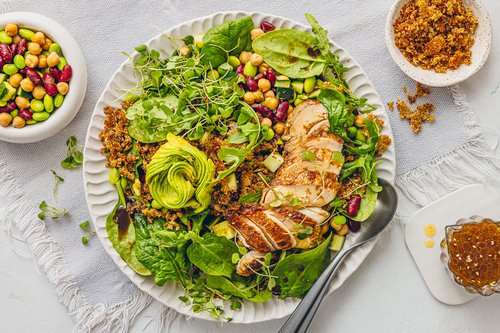
Vegetarianism or veganism are still the way forward for many consumers, but more and more are adopting the “flexitarian” position – reducing their meat intake for the sake of personal and planetary health, while still consuming a certain portion of animal protein. Influential food writers such as Alicia Kennedy argue that smaller dietary rations of meat and/or seafood can be a good thing in terms of supporting biodiversity within local ecosystems, while the growing “real food” movement prioritises adaptability over rigid ideology, with meat and dairy allowed their place on a plant-rich spectrum that includes milk and butter alongside mushrooms, seaweed, pulses, grains and sourdough. This shift also reflects practical nutritional needs – from seniors requiring more protein to maintain strength, to GLP-1 users seeking higher protein and fibre to support satiety and muscle retention. As consumers seek ethical animal options, regenerative meat and tallow-based snacks are increasingly part of this balanced approach.

Ethics and unprocessing
In late 2025, the medical journal Lancet published the results of the world’s largest-ever scientific review into Ultra-Processed Foods (UPFs), which made clear their “seismic” threat to every organ in the human body, in every nation on Earth. In 2026, we’ll see much of the planet respond with a turn toward real food, upcycled ingredients and regenerative meats (from cattle raised on farms dedicated to restoring soil health and sustainable grazing patterns). This urgent demand for greater transparency helps us avoid harmful chemicals and additives but also fosters a revival of storytelling in food culture – consumers want to know where their food comes from in biographical and even emotional terms, so expect to hear more about the personal efforts of farmers and producers working to reverse the negative trends of recent decades.

Minimal to the max
Elaboration and excess are no longer the keys to luxury, as consumers seek to indulge in quietude and simplicity. The Korean Birthday Cake that went viral in 2025 seemed to point toward a future of exquisite minimalism: petite, profoundly tasty and gorgeously presented in subtle pastel colours with eye-pleasing clean lines. In the savoury sphere, the ongoing push toward whole foods will be further expressed in a preference for fewer and better ingredients – diners are really loving pure and simple pasta dishes like cacio e pepe and old-fashioned, unfussy cooking methods. Grilling, steaming and roasting are about to make a serious comeback…
Regional goes global
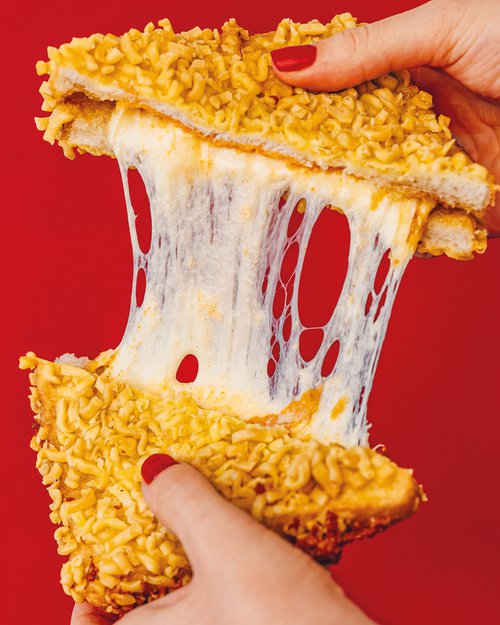
Where we used to find ourselves in the mood for Thai or Indian food, our modern world of satellite mapping and restless culinary curiosity is now giving us much more specific appetites. A hankering for Mexican cuisine might now lead us toward the Caribbean-inflected dishes of Yucatan, or the very different regional recipes of Baja province, on the Pacific coast. And if we’re all now familiar with Cantonese-style noodles, perhaps we want to try something more rustic from the lesser-known Chinese provincial larders of Anhui or Shandong. Consider, too, the recent boom in international mashups such as the Japanese-Italian megabowl that is ramen carbonara.