







Sometime in 400BC, the ancient Greek physician Hippocrates – widely accepted as the father of modern medicine – is believed to have said, “Let food be thy medicine and medicine be thy food”. Little could he have imagined how deeply his philosophy would resonate with a man in the UAE centuries later. Adam Pitts is the founder of New Leaf, an innovative and pioneering microgreens farm in Dubai, who has stood by this principle as he has built a 1,858 square metre facility alongside farm manager Ian Geronimo over the past eight years.
"Their story, however, didn’t begin within the last decade. It dates back to 2004 when Adam’s father was diagnosed with cancer, a time Adam admits left him feeling “lost and helpless”. In search of a way to add more nutrients to his father’s diet, Adam’s love for agriculture and the quiet act of growing plants proved to be the solution that ushered him through that bleak period. “I started experimenting with soil and adding things like volcanic ash and red clays to it,” he explains. By introducing certain beneficial fungi and earthworms to increase microbial activity and nutrient content, he began developing a living medium. Today, the team at New Leaf continues to work with this lineage of soil – a highly specialised, carefully monitored and nurtured mix – to deliver a variety of nutrients to the root of every plant."
Small-scale trials of hydroponic farms began in the UAE in the 1970s, but a new wave of highly specialised vertical farms sprang up around 2008 as an answer to the region’s food security concerns. Growing plants without soil, using water as a medium to deliver nutrients to the root system was seen as the way forward. Undeterred, Adam surged ahead with his experiments, staying true to his conviction that minerals absorbed by plants from the soil would act as medicine for the body. “You’ll get around 80-90 nutrients from a plant grown this way. That’s more than triple the amount you’ll get from plants sourced from a hydroponic system,” states Adam.
In 2017 Adam began sharing the microgreens he’d grown in his special soil mixture with friends and family. The feedback was outstandingly positive with requests for more, which he took as a sign to turn his project into a commercial venture. “I read a lot and we do an incredible amount of research. We’ve worked with laboratories to test the nutritional content of these microgreens. If a microgreen tastes good, then it means it has a lot of minerals and vitamins in it, which also extends its shelf life,” explains Adam. The magic lies in their soil mix, rich in organic matter which form colonies around the roots of the plants from where they’re processed and absorbed into the plant. “The taste you experience is literally the minerals and vitamins from the soil,” says Adam with pride.
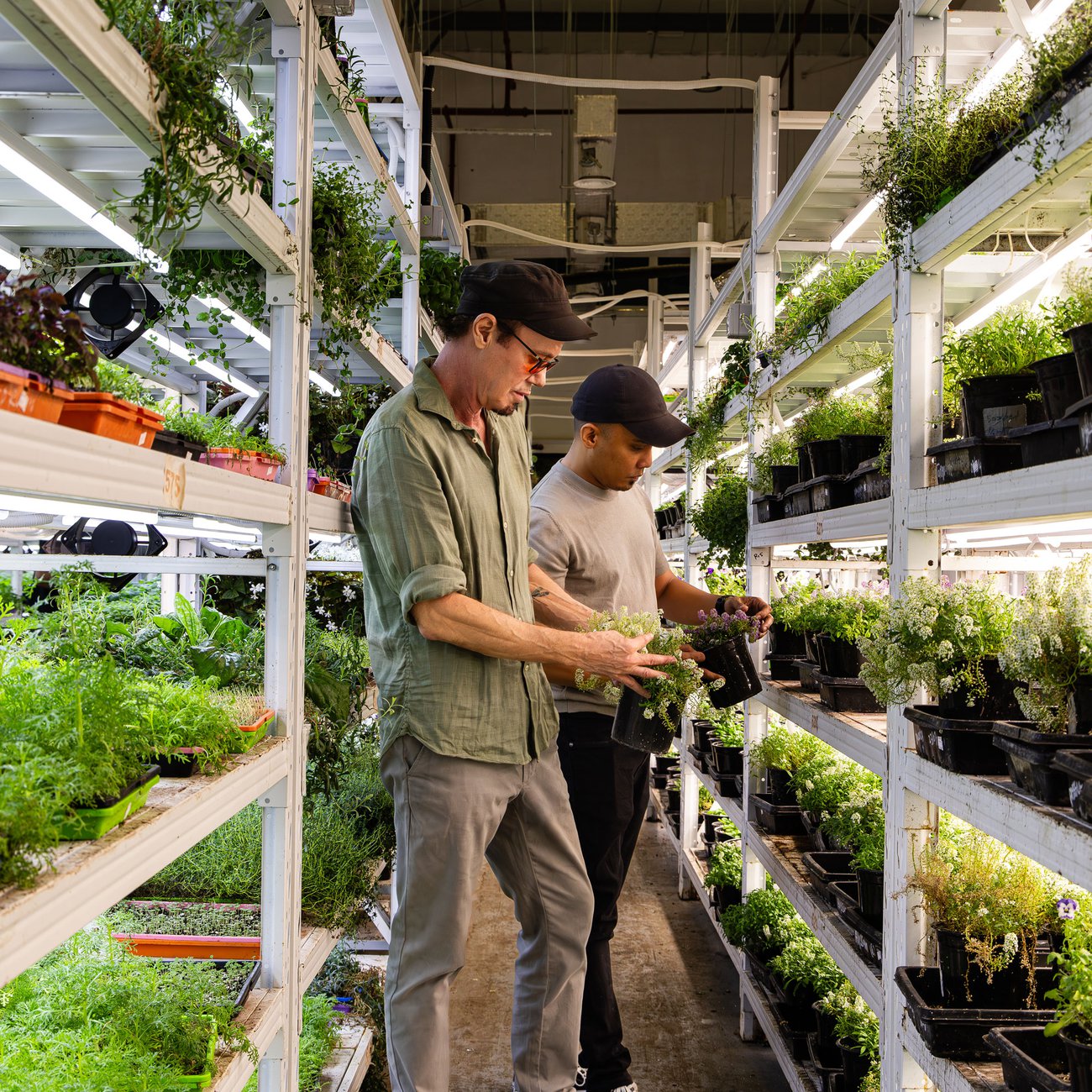
Adam Pitts and Ian Geronimo
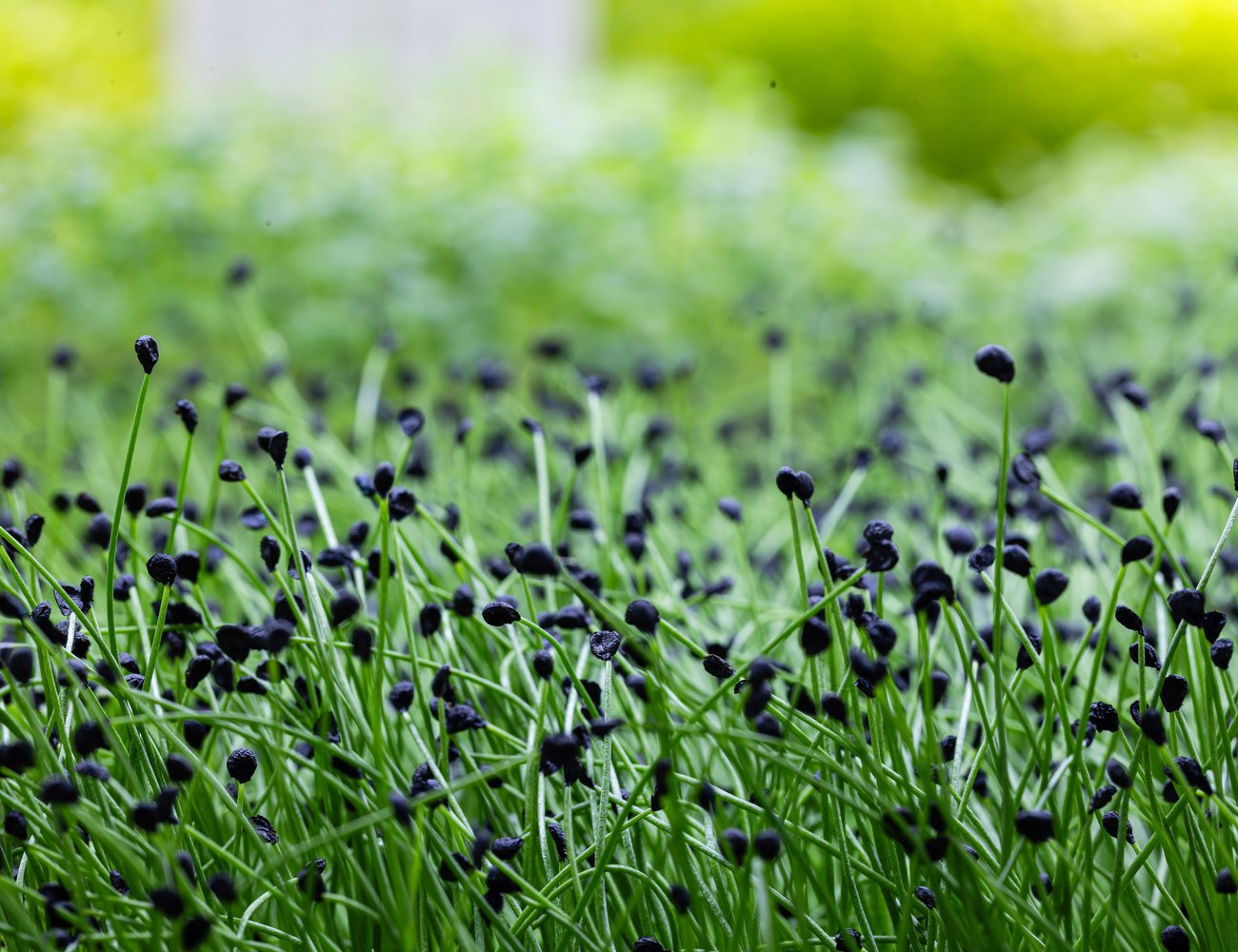
Garlic chives
The flavour, nutrition and shelf life promised and delivered by New Leaf have made its products increasingly popular with chefs as well as retail businesses such as Spinneys. Adam and his team have customised three microgreen salad packs for the Discovery by Spinneys range, appropriately titled Power Mix, Spicy Mix and Vibrant Mix to indicate their properties and flavour profiles.
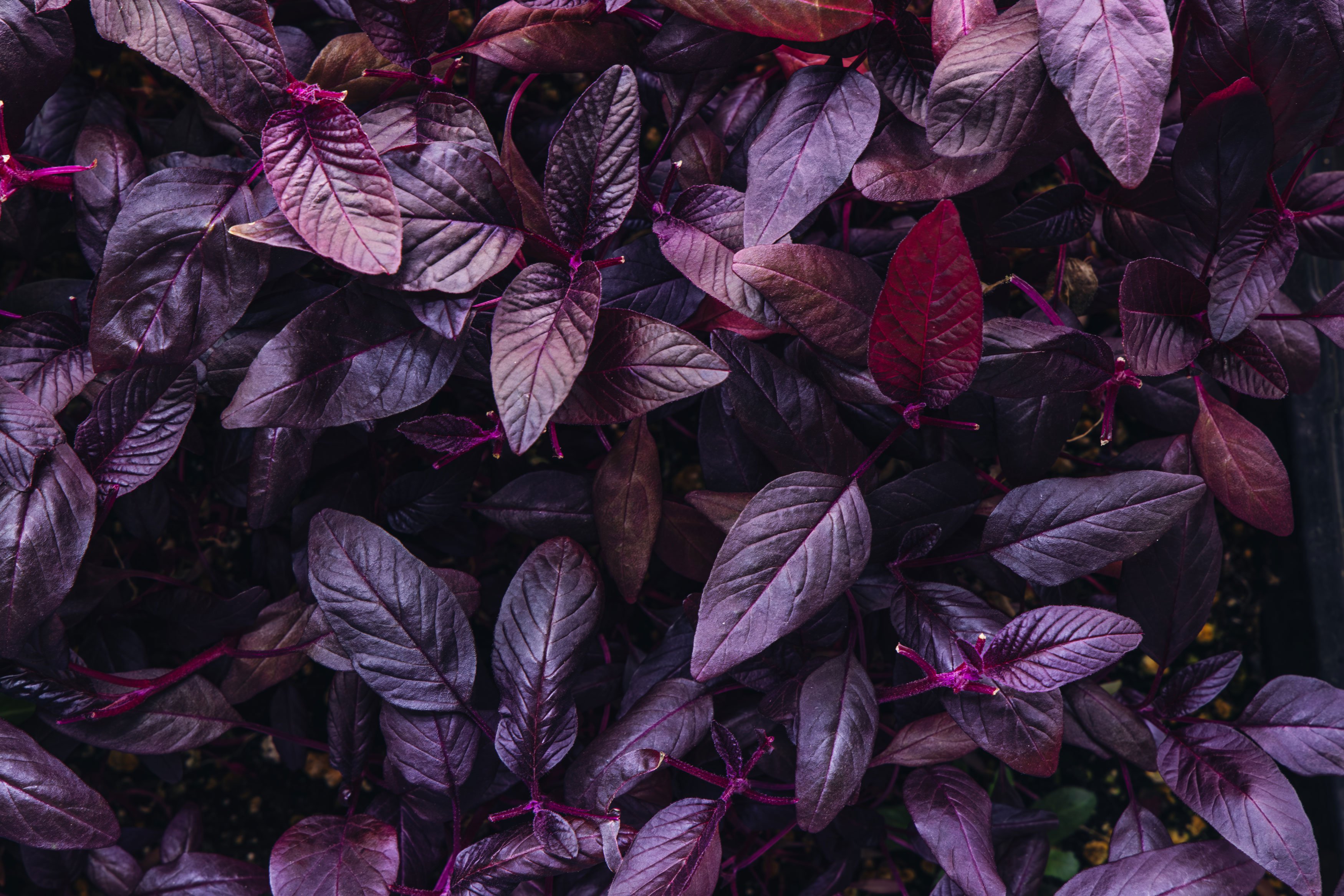
The interior of New Leaf is set to a balmy 26°C, where rows upon rows of microgreens, edible flowers and leaves thrive under white, pink and red lights. “We’ll put beetroot microgreens under red lights to encourage the natural pigment in the plant to come forth so that the stems develop a beautiful pinkish-red colour,” explains Adam. Others such as the golden big sun and popcorn are grown in a dark room to prevent the formation of chlorophyll and retain the vibrant yellow of the leaves.
Ian recalls meeting Adam for the first time at a pet shop where he worked. The duo bonded over their shared interest in plants, animals and even art, though Ian’s knowledge of plant varieties then was limited. “I didn’t even know what microgreens were at that time,” he confesses. Fast forward to today, and Ian can spend hours talking about the characteristics and benefits of an array of microgreens, edible flowers and leaves that are grown under his watchful eye. His passion is apparent as he deftly cuts wood sorrel (purple oxalis) leaves and offers them to me to try, waiting for the burst of bright, tart, green-apple like flavour to hit my tastebuds. And it’s not just the wood sorrel that impresses with its flavour. From fennel, lemon balm, rock chive and Thai basil to mela blossom and the must-try buzz button, which leaves my tongue tingling akin to Sichuan peppercorns, New Leaf has opened up a world of culinary possibility.
Ian points out that while plants produced in a hydroponic facility “are spoon-fed nutrients”, at New Leaf they must work to find nutrients due to the tray system in which they are grown. Seeds are carefully scattered over a tray filled with their special soil mix, then weighed down with another tray. He likens this to humans working out at a gym – “we do weight training to build muscles, the muscles in turn are stressed and have a build up of amino acids, but we end up becoming stronger and healthier. Similarly, the plants feel that good stress, the amino acids build up in the stems and leaves and that results in concentrated flavour.”
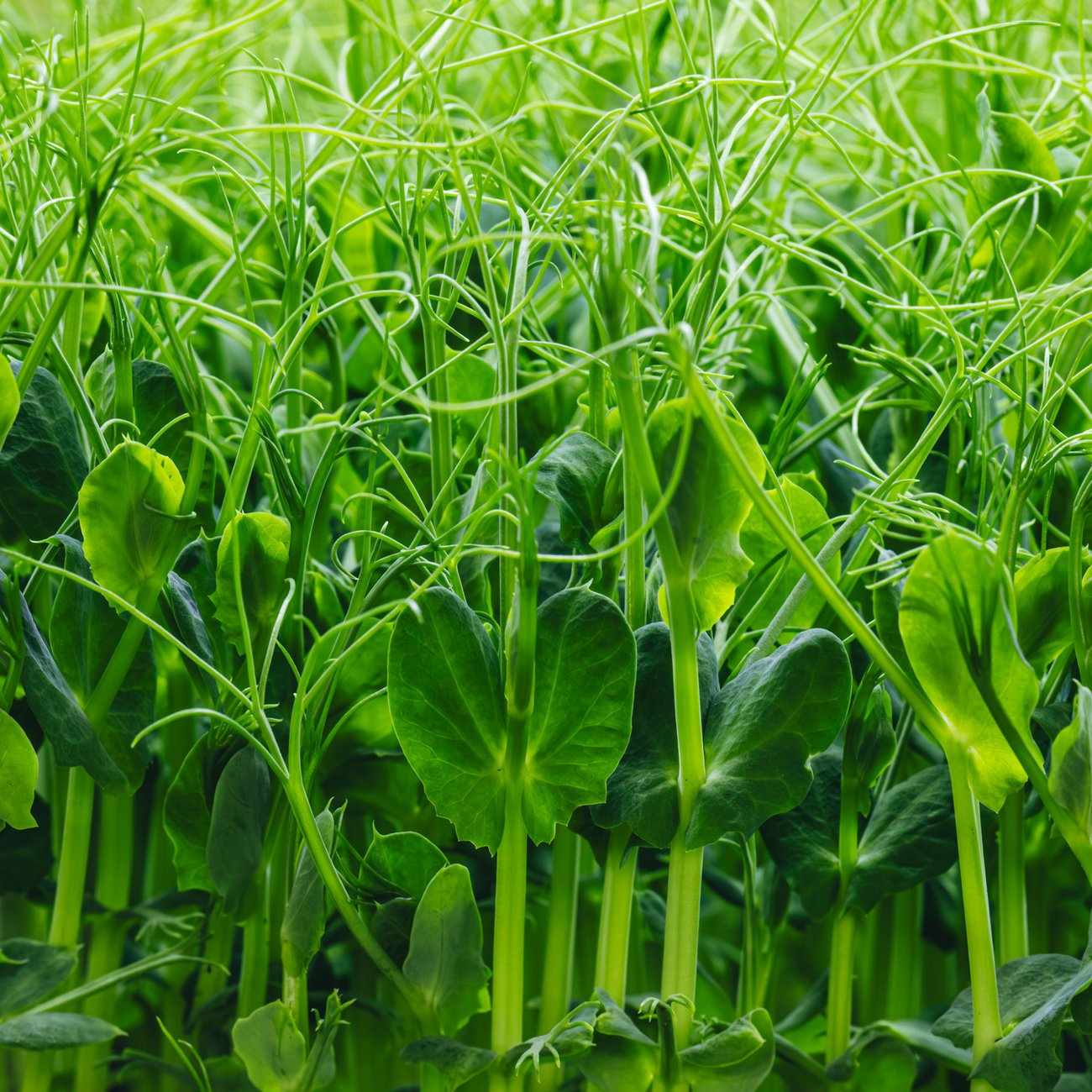
Tender and crunchy Tendril Pea shoots have a fresh, delicate and sweet flavour
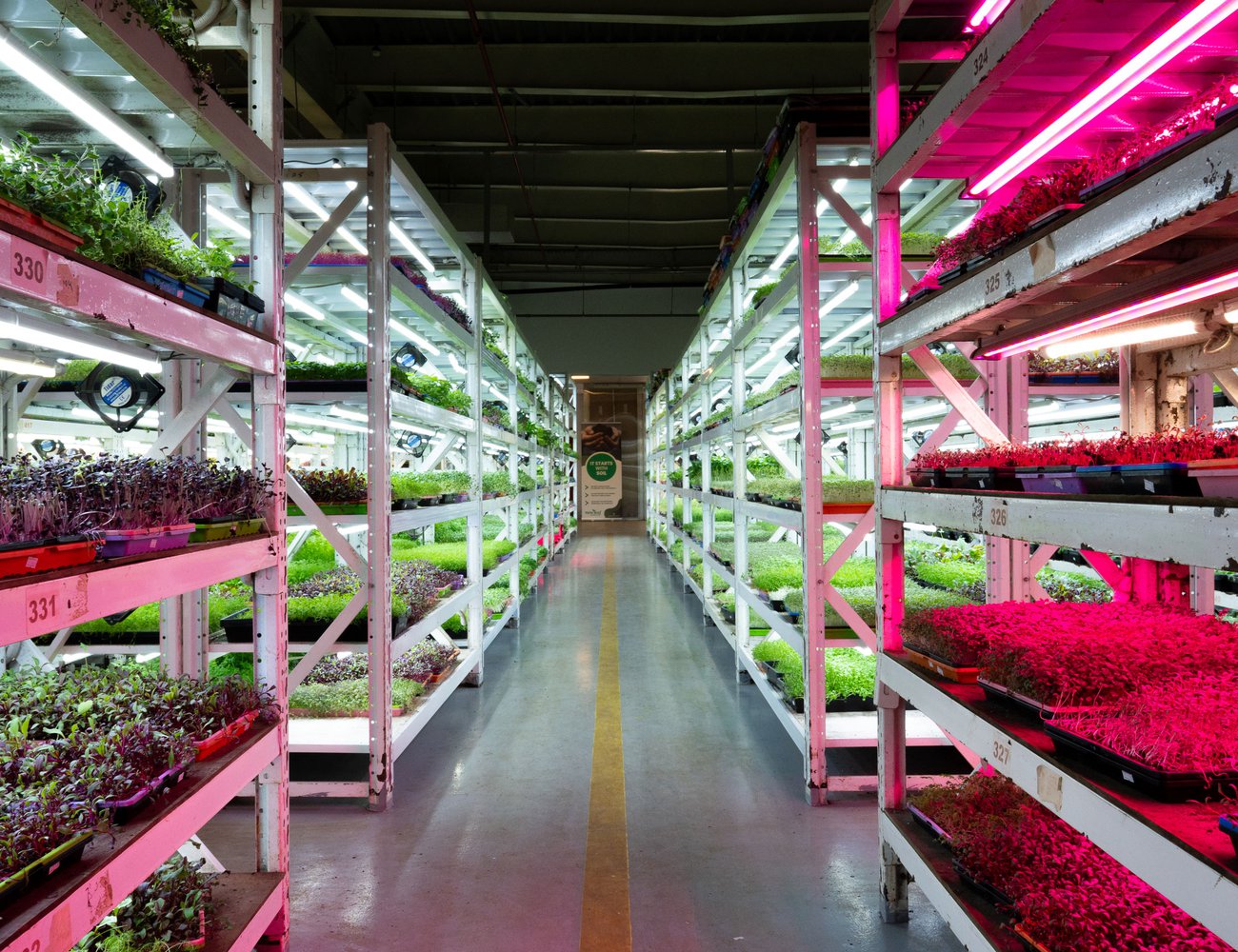
The plants follow a circadian rhythm with 12 hours of light followed by 12 hours of darkness
And like humans, the plants inside New Leaf’s facility follow a circadian rhythm – 12 hours of light followed by 12 hours of darkness. The team starts each day at 5am, selecting the trays that are ready for harvest. A few microgreens are harvested before sunrise, “when they’re still asleep since they carry the highest density of nutrients during periods of rest” while others are collected throughout the day. “We harvest around 700 trays per day, and plant approximately the same,” says Adam.
Soil from the harvested trays is transferred to containers filled with the earthworms, which help reconstitute it by eating unwanted microbes. “And at the same time their skin and castings are nutrient rich, which help increase good microbial activity in the soil,” says Ian. “The soil remains healthy because we never spray chemicals, which can kill microbes or change the nutritional profile of the soil.”
Thus, New Leaf’s organic soil mix is treated like a living entity, enriched with vermicompost, alive with microbial activity and constantly turning over a new leaf to feed communities across the UAE.