


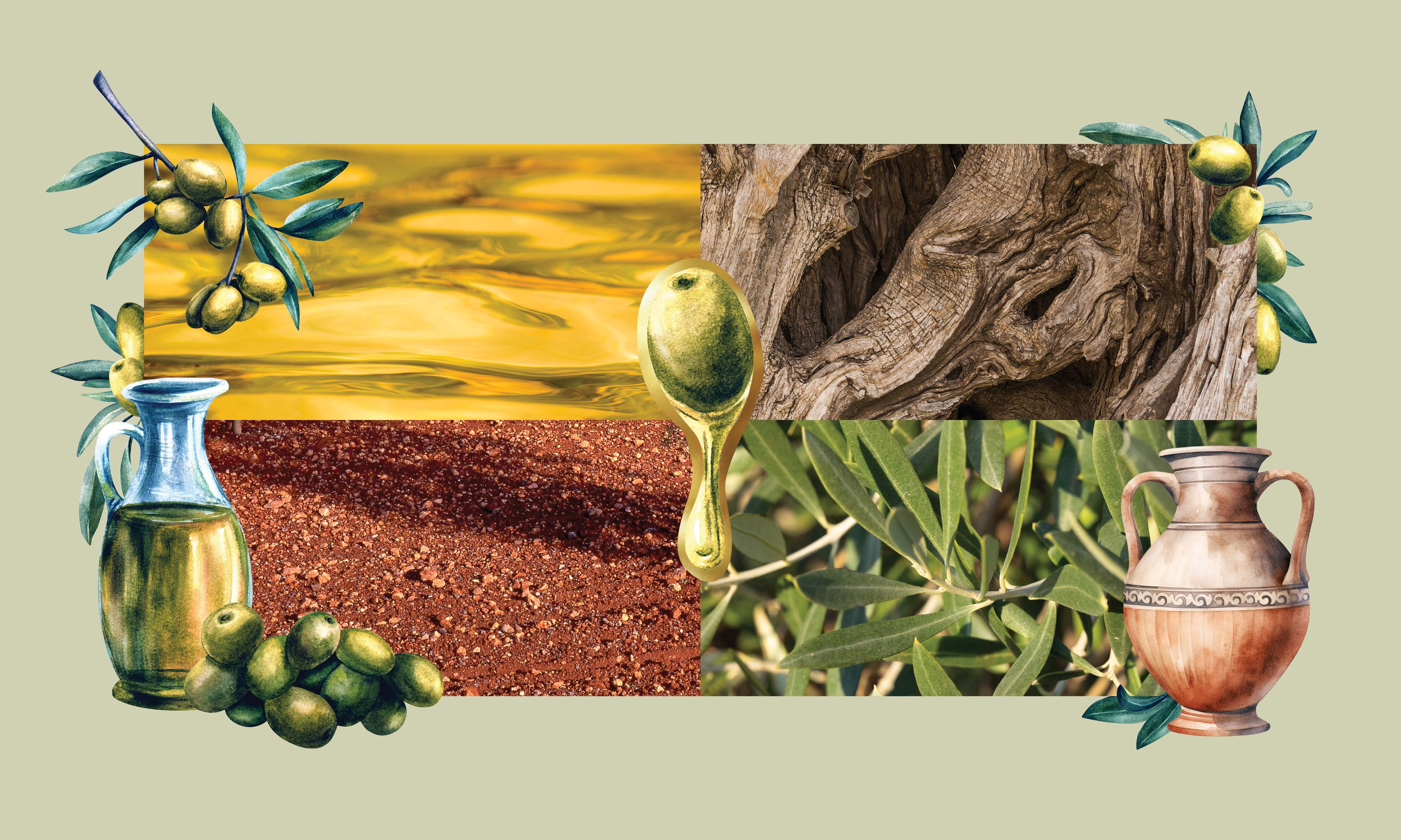

As precious commodities go, olive oil is at least as old as gold. The botanical and historical records trace its origins to the area later known as Bilad al-Sham, comprising modern-day Syria, Lebanon, Jordan and Palestine. Around 6,000 BCE, wild olive trees were domesticated by farmers of that region, who hand-pressed the fruit and extracted the oil for cooking, fuel, perfumes, soaps, medicines and religious rituals. It would later become known as “liquid gold” – a commodity almost as valuable as the metal itself.
Successive waves of trade carried it across the Mediterranean on Phoenician merchant ships, Greek olkas (round ship), and eventually Roman cargo transports, or corbitae. Those empires planted olive trees in their homelands and built their own industries on the oil, as did Spain over subsequent millennia, its agriculture developing under Romans, Visigoths and the medieval Islamic caliphates of Al-Andalus.
Here in the 21st century, Greece, Italy and Spain are by far the world’s biggest producers of olive oil, their combined output accounting for around three-quarters of global production. Spinneys sources several premium brands from those nations, including the Extra Virgin Olive Oil (EVOO) made by the Basso family in the regions of Puglia and Campania in southern Italy. The company goes back five generations and 120 years, but its legacy also rests on an even older, deeper inheritance.
“Long before the Basso family started their business, olive oil production had been deeply rooted in this area for well over 2,000 years,” says marketing director Novella Parziale. “So, when they began to bottle oil, they were stepping into a tradition that was already ancient, shaped by continuous cultivation and craftsmanship.”
The intervening centuries have carried change and progress before them, as harvesting, crushing, extracting and storing oil became ever more efficient through technological innovation. But, if time travel were possible, a visitor from Ancient Rome might yet recognise the “overall process”, as Novella puts it.
“They might be surprised by the speed, scale and cleanliness of modern production, but the transformation of olives into oil – the heart of the craft – would feel entirely familiar to them.”
Perhaps it would seem only right to that time traveller that his or her descendants should dominate the market for this commodity, given that the Romans developed the trade and transport infrastructure across Europe. In that sense, the present state of that ancient business “is less about where the best olives grow, and more about who built the systems to scale, market and distribute them”.
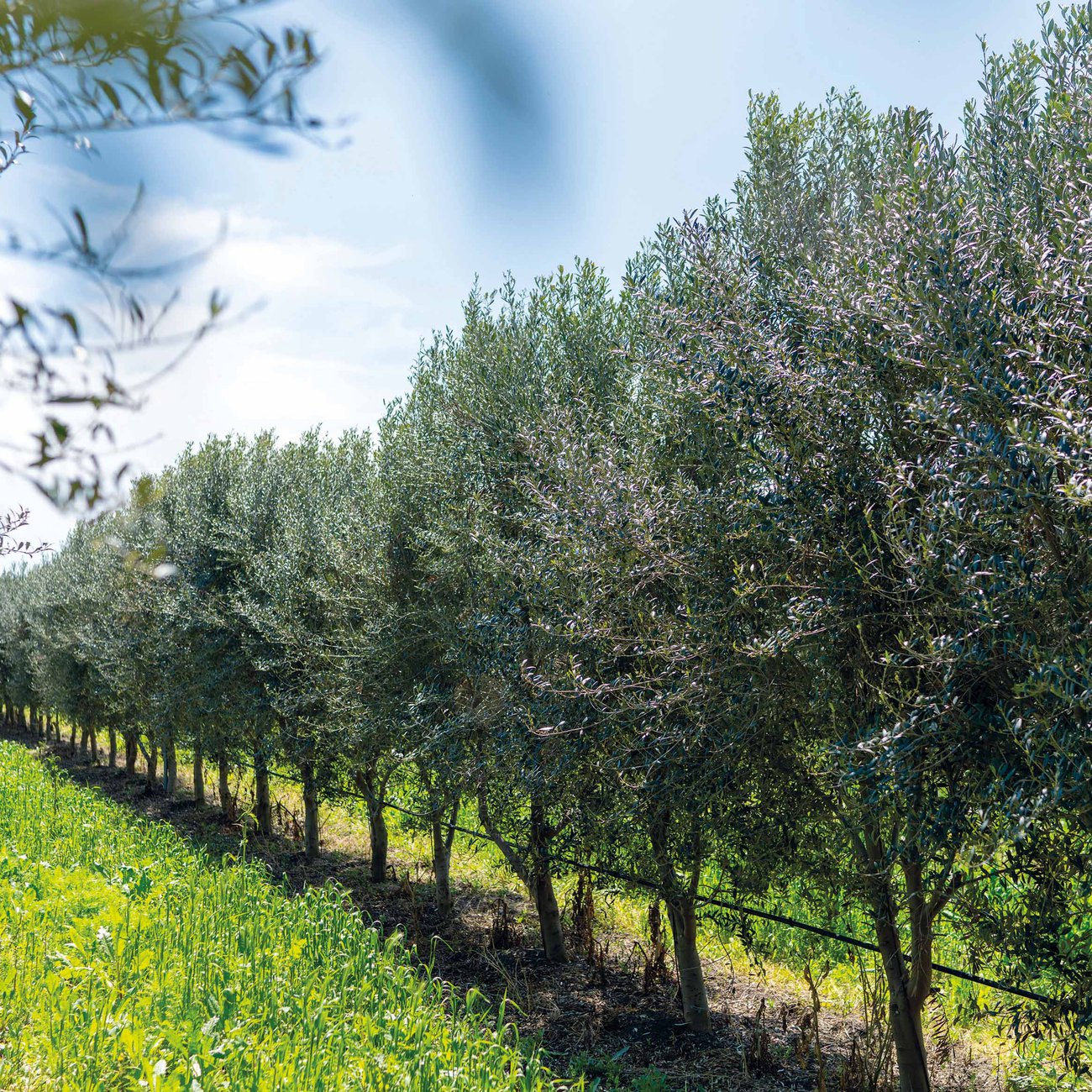
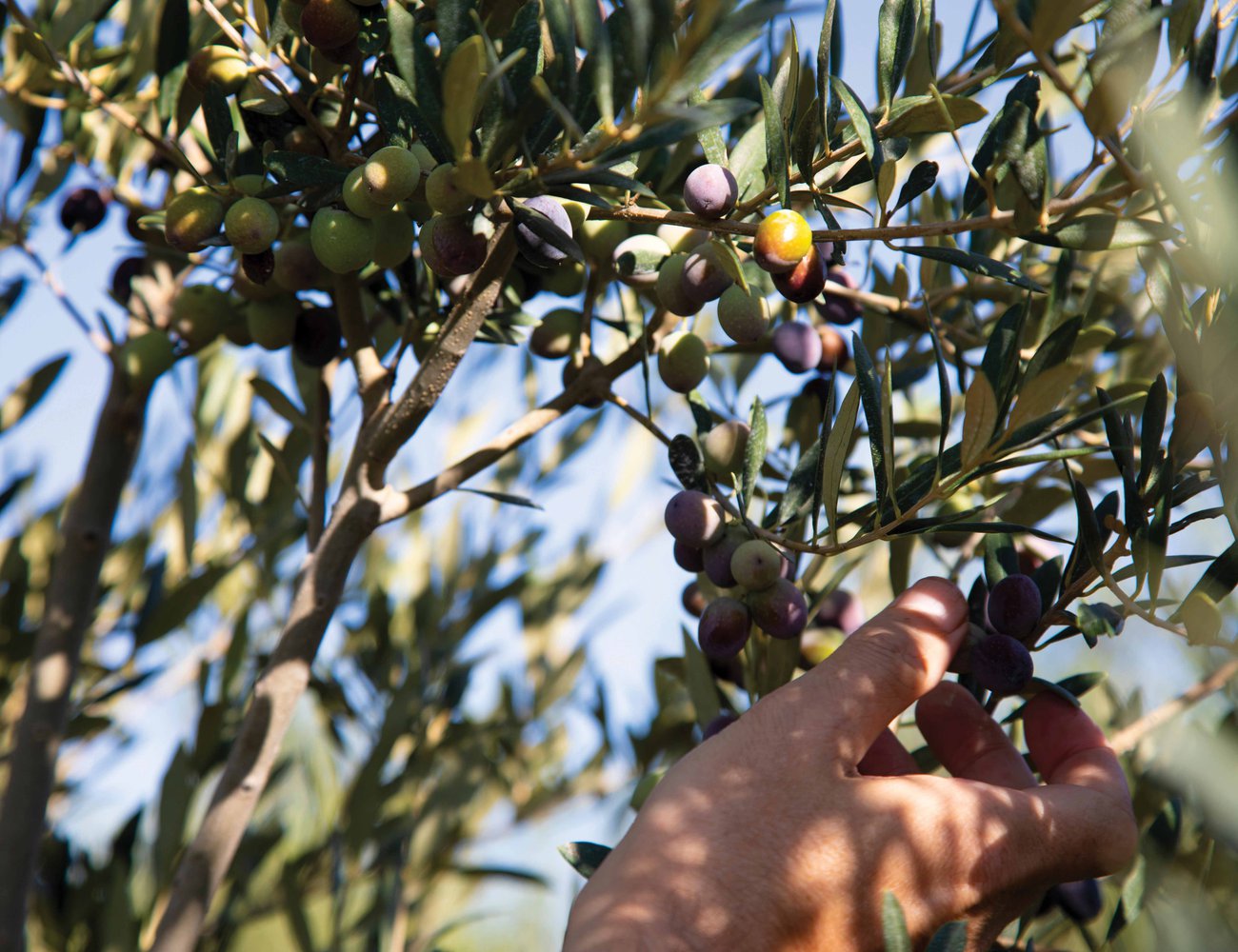
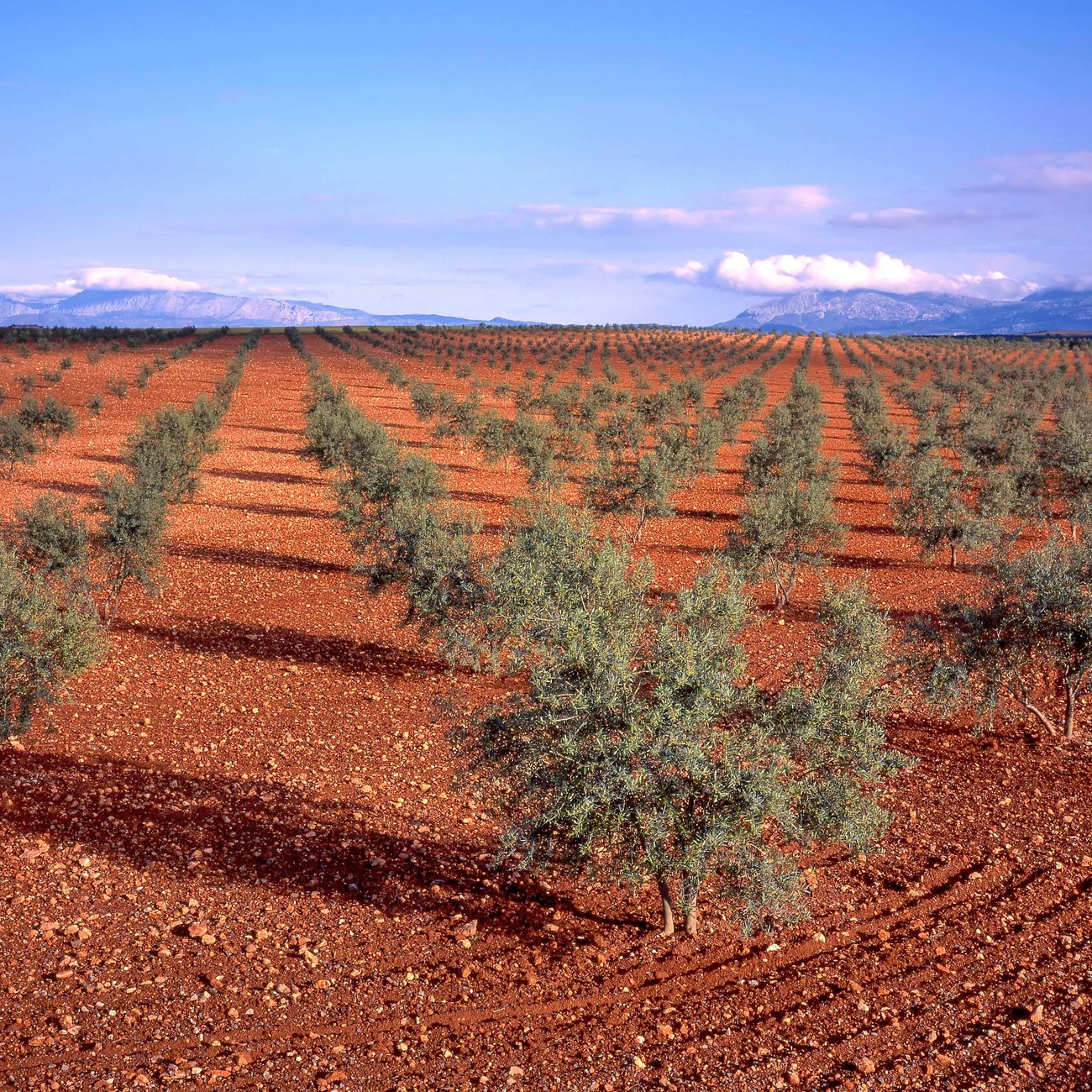
So says Tala Hammash of Jenin, a premium olive oil company named for the Palestinian city, which is surrounded by small villages and farms whose holdings yield the core product. The land is “extremely fertile”, explains Tala – known for distinctive red soil and primeval Nabali trees that take all their water from rain and groundwater, with no need for artificial irrigation. “This area has always been studded with olive groves.
“We have trees that are hundreds of years old and still produce the same fruit we have in our bottles.” Those Nabali olives have been grown alongside watermelon and tobacco crops for much longer than living memory, the community so timelessly occupied with farming that the native traditional dress is much plainer than the intricate tatreez embroidery seen in other parts of Palestine. In such a strongly matriarchal micro-society, the women are generally too busy in the fields to make much fuss over tailoring, and the grandma, or teta, is “the big boss who guides the harvest”, says Tala.
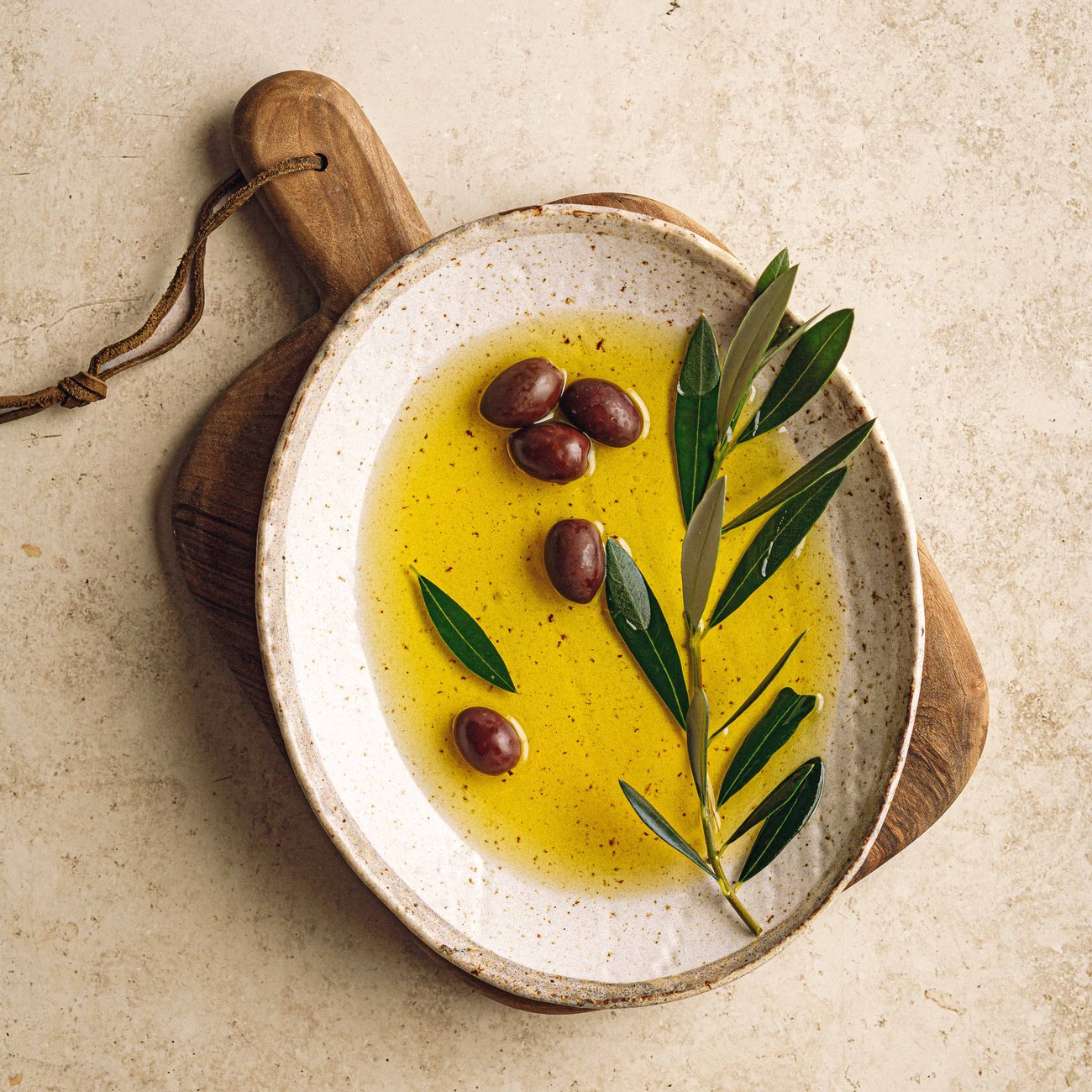
The oil itself is peppery, highly viscous and moderately bitter, with grassy notes, a buttery mouthfeel and a flavour she describes as “super bold”, delivering a peppery kick that has its own word, shaa’ta, in local parlance – and often causes the first-timer to cough upon tasting it. And, unique as it is, Jenin is one of many exemplary bottles now being produced much closer to the historical and geographical sources of olive oil, in that Fertile Crescent sometimes referred to as “the cradle of civilisation”.
In the beginning, of course, there were no political borders; the growing regions of what we now call the Middle East were defined only by culture and terroir. Zonal conflict, international competition and latterly climate change have taken their respective tolls on the farming capacities of Palestine and its neighbours, and it’s tempting to imagine how the olive oil business might bloom across Bilad al-Sham without such opposing forces.
Maybe, says Tala, but it’s also worth bearing in mind the unwritten value system of the fallaheen – those whose lives and lineage have been shaped by the land, regarding the ground beneath their feet as “something to protect, and not a resource to capitalise on”. Born into that tradition, she and her husband see their relationship to farming in terms of respect and obligation.
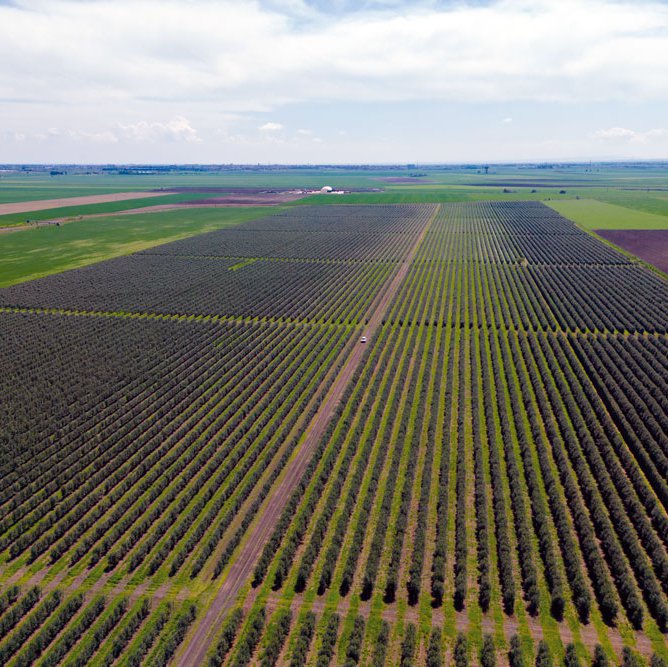
Meanwhile, many parts of the Fertile Crescent are not as fertile as they used to be. Eastern Jordan, once green, is now effectively desert, which did not stop architect Ziad Bilbeisi from creating an oasis for olive oil production over 120 hectares in the Azraq Basin, more than 800 metres above sea level.
“Being a typical engineer, he researched it to death and found the right land, the right system,” says Ziad’s daughter Amelia, who helped him build the resulting company, Maida (also known as Onsuri in the US market). Even after tapping a steady flow of natural water from deep underground, it took years of refining the formula for deficit irrigation to achieve a world-class extra virgin olive oil, using cultivars from Spain and Greece as well
as Jordan.
Knowing nothing about the product when she came on board, Amelia has since trained as an olive oil sommelier and is something of a scholar, helping her demystify some of the more rustic-romantic conceptions of its origins. Recent DNA testing on the Mahras olive tree suggests it was an early ancestor of the kind grown around the southern Mediterranean basin, while the Rumi tree in Jordan is named for the Romans who took it from here and transplanted it to their empire.
She is wary, however, of modern consumers who seem to think of olives as the fruit of some lost paradise. “This is a food-grade product, and we have such stringent standards to conform to, but some people still have visions of the donkey and the millstone. They come to our groves and expect to see me gathering olives in my skirt.”
To Amelia’s mind, centuries of accumulated science around the olive tree make a treasure of that knowledge. “One of the amazing things we’ve learned is that the tree has a sort of memory. So if the olives have been underwatered, or put in sacks where it’s fermented, or if the water in the mill was dirty, the oil records that information so we can detect it when we smell it. We know something is wrong before we even taste it.”
Across the Levant in Lebanon, meanwhile, Hanan Wehbi is also relatively new to olive oil, and didn’t know much about it before founding her company Maknoon five years ago. Given the quality of Lebanese oils, she wanted to bring them to the UAE as a luxury option for gift-giving, and found herself increasingly invested in the farmers and traditions behind her product.
“The deeper I looked into it, the more I understood this industry is a 6,000-year legacy, so you can’t really play preferences. You have to be inclusive. Olive oil is much bigger than you.” Hanan, too, has since trained as a certified sommelier, joined a global tasters’ club, and served as a judge at the Dubai Olive Oil Competition. But she’s also become a kind of believer, naming her brand Maknoon after the Arabic word meaning “well-preserved”, or “cherished”.
“Because the oil needs to be kept away from light and heat,” she says, “but also as a tribute to these farmers who never leave their land. I wanted to create a bridge between the diaspora of tens of millions of Lebanese, Syrians and Palestinians, because olive oil is the essence of a culture, just like lavender and thyme and wood and amber. I have childhood memories of picking olives from trees, and my grandma putting oil on her hands as skincare or drinking a medicinal shot every morning. But I only recently realised just how rooted it is in our shared identity.”
And perhaps olive oil can seem so life-giving because the trees that produce it can endure for so long. A thousand-year-old tree can keep bearing fruit if treated with due reverence. At the far side of the Mediterranean lies an inland region of Catalonia so thick with these trees that it’s known as the Sea of Olives.
Within that sea are specimens planted up to 1,700 years ago, in the time of Roman Emperor Constantine. Around the town of Traiguera, former carpenter Amador Peset Celma now devotes himself to restoring and cultivating those millenary trees to extract their oil. Flavour is dictated by climate and variety, says Amador, “so oil from a 100-year-old Farga tree tastes the same as from a 1,500-year-old Farga”.
He adds, “But an ancient building does not have the same value as an apartment built in 2002, and when I am recovering an ancient tree, I feel as if I’m restoring the Roman Colosseum, or sphinxes in Egypt. Except they’re alive and producing edible fruit.”