



The Svalbard Global Seed Vault has apocalyptic appeal – a cold storage unit for essential crops, half-buried in the ice near the North Pole. It is often described as a “doomsday bunker” and pictured in science-fiction terms: the remote base from which scientists in spacesuits might take what they need to re-seed the ravaged Earth. “I can see where people get that idea,” says Luis Salazar of The Crop Trust, the NGO that helps coordinate crop diversity.
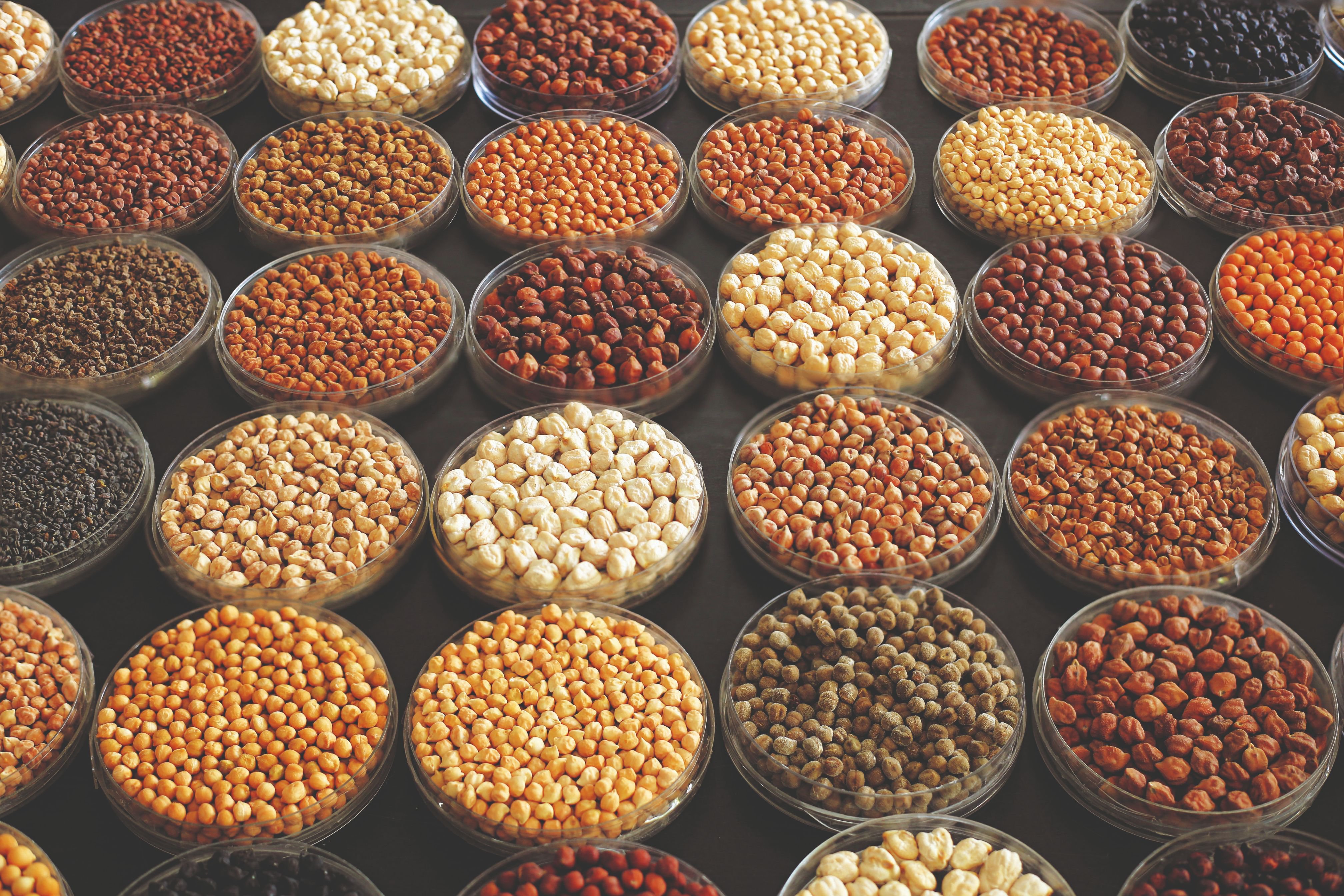
“It’s in the Arctic, under a mountain and the architecture makes you think about the place a certain way. But it also sends the wrong message. Yes, we store 28,000 varieties of maize there, 40,000 varieties of beans, but they’re not necessarily edible, and you’re not going to grab them and start the world again. We want them for their genetic traits, and the options they give us for adapting our agriculture and improving the food we eat.”
Apart from being defeatist, says Luis, fixating on worst-case scenarios can divert attention from the urgent task of ensuring food security and the positive advances being made to that end. Operating from its HQ in Bonn, Germany, The Crop Trust is a key player in related projects. And while fortress facilities such as Svalbard capture the public imagination, “the real work is happening at genebanks, because they’re not just safeguarding this material, they’re sharing it.”
The AfricaRice genebank, for example, is sited at a research station in the Côte d’Ivoire village of M’bé, and houses more than 20,000 rice seed samples. Among its stores are genetic hybrids that splice the high-yield traits of Asian varieties with the resilience of African strains, and the resulting grains (known as NERICA, or New Rice for Africa) are credited with lifting eight million people out of poverty and food insecurity throughout the continent.
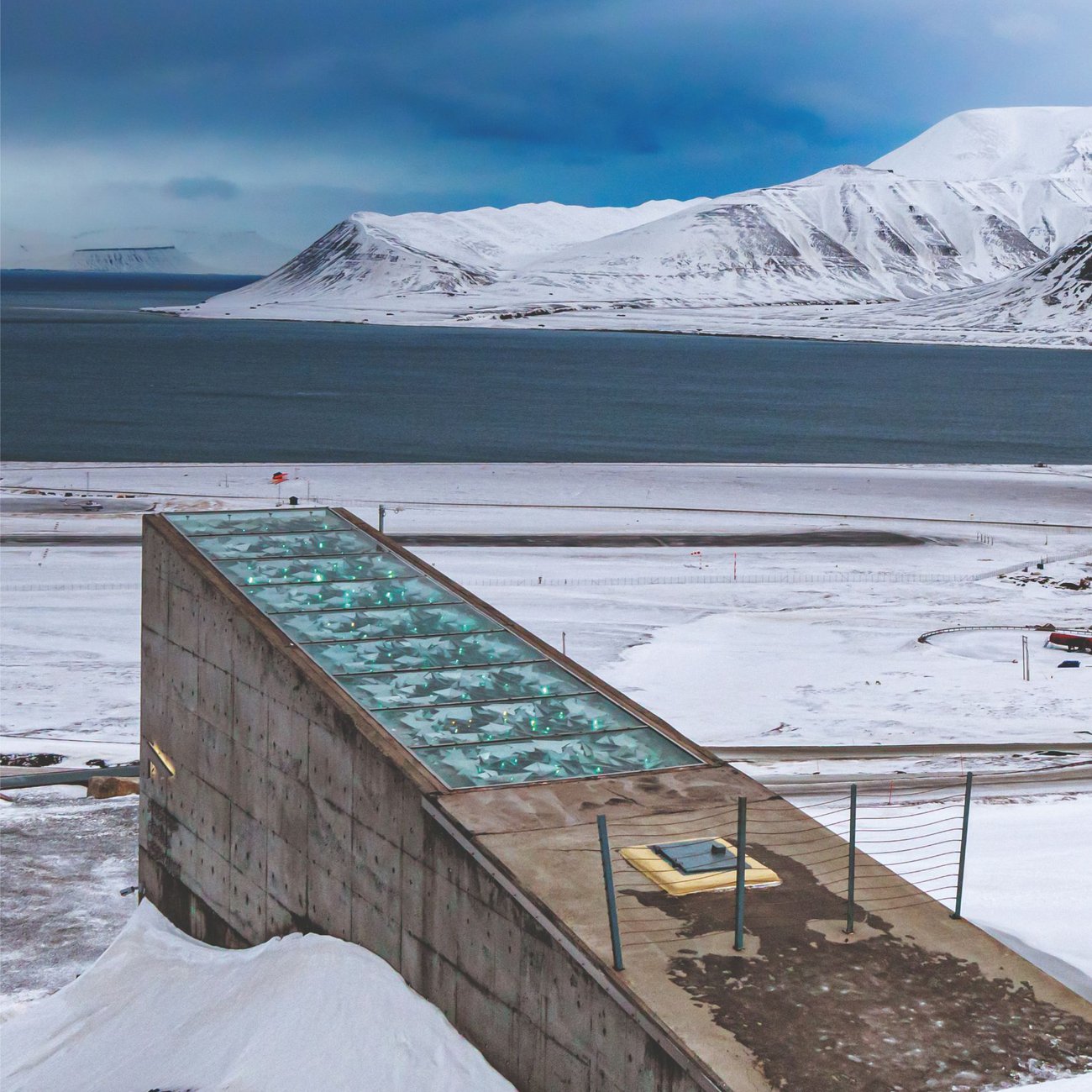
The Svalbard Global Seed Vault, buried deep within the Arctic permafrost, safeguards more than a million seed samples from around the world, preserving the genetic diversity future agriculture may depend on
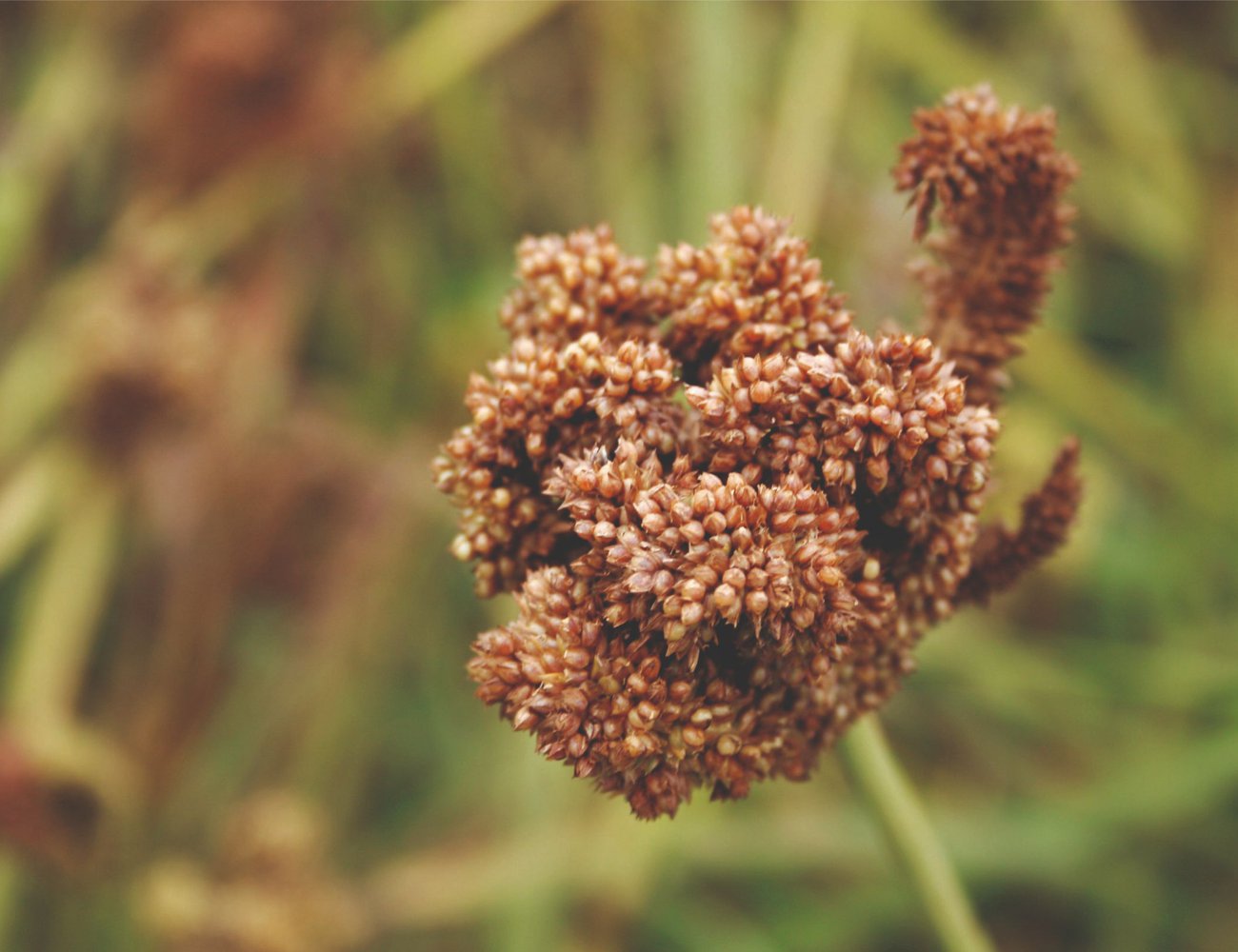
Finger millet is returning to fields as a climate-resilient grain, thriving in harsh conditions while helping restore crop diversity
Luis can cite promising developments coming out of the worldwide network of genebanks run by the Consultative Group on International Agricultural Research (CGIAR) – feats of agro-engineering that now produce sunflowers with downturned heads that birds can’t get at so easily, or wheat that grows just short enough that the wind across the plains can’t knock it down. He says, “A lot of work has been done on biofortification, making crops better nutritionally by crossing the ones with more zinc, or more beta-carotene. We’ve done that with cassava, with beans, with sweet potato, and it’s all thanks to diversity.”
Much of this sounds like weird science practised in laboratories, and genebank hybrids might remain merely clever experiments if they don’t produce something scalable and sellable. Out in the field there is the critical question of what works for farmers, especially in areas now seeing unprecedented droughts and floods.
This is where so-called “opportunity crops” come in, as genebanks produce new and improved variations on staple fruits, grains and vegetables that are resistant to heat, pests and diseases.
Peach palm in Colombia, cowpea in Zambia, horse gram in India, jackfruit in Uganda… many such seeds are being tweaked and tested to compensate for recent under-utilisation, often because the resulting foods are tricky to cook, or harder to sell because of perception issues. In some cases supermarkets didn’t like the look of them, or some other vagary of globalised trade caused them to fall out of fashion. Certain dormant foods are being brought back to life in zones where new trials suggest they perform better in tough conditions than anything the farmers have raised within living memory.
“I mean, this is their livelihood, right?” says Luis. “They’ll grow whatever pays the best and takes the least effort. That’s why you get a lot of wheat and maize farmed around the world, to the detriment of other crops that might grow better in these lands. It could be barley or finger millet. And they are slowly making a comeback because there is now an opportunity in the market, but you need to raise awareness, you need the food sector interested.”
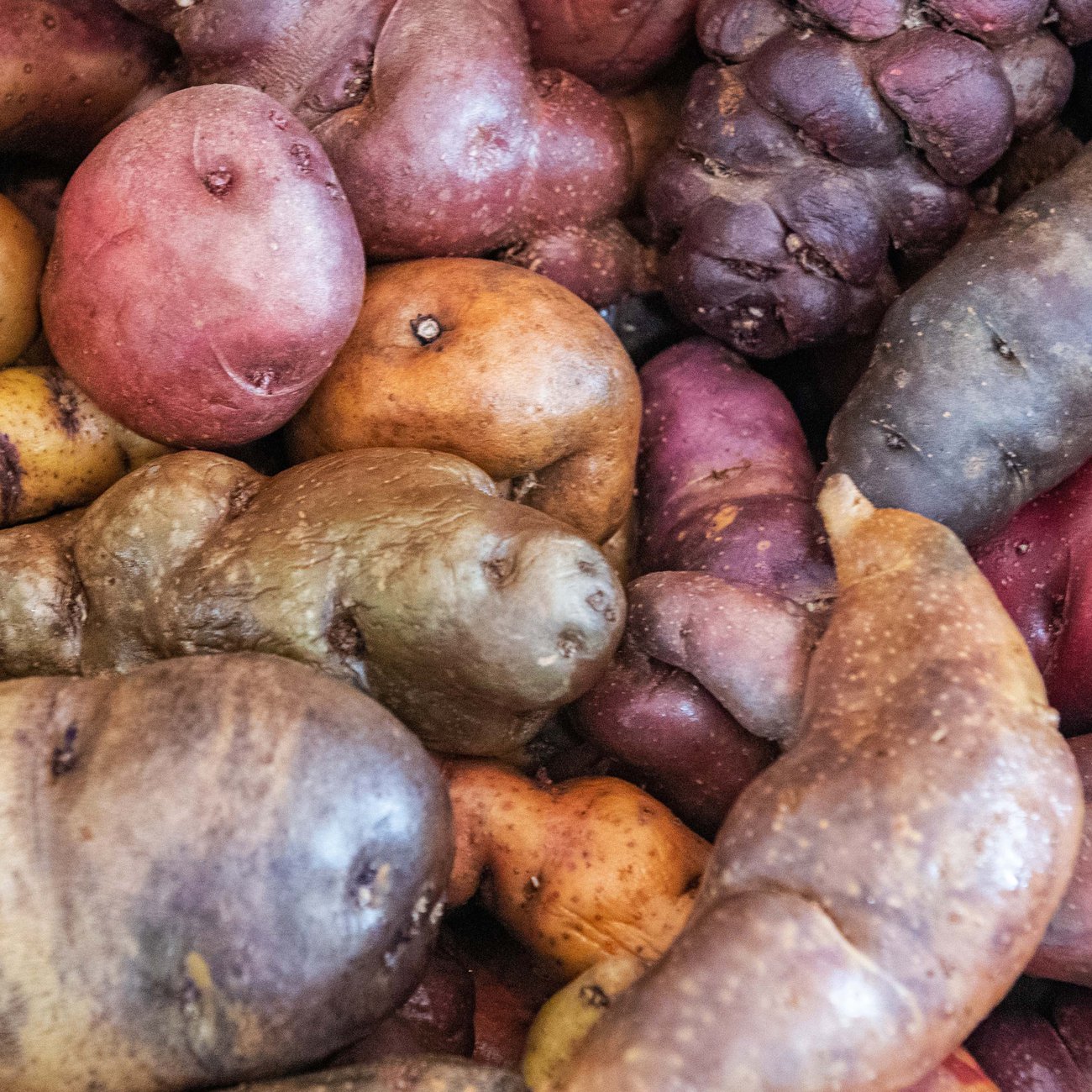
Heirloom potato varieties preserve the genetic diversity needed to strengthen future food security – while keeping traditional flavours alive
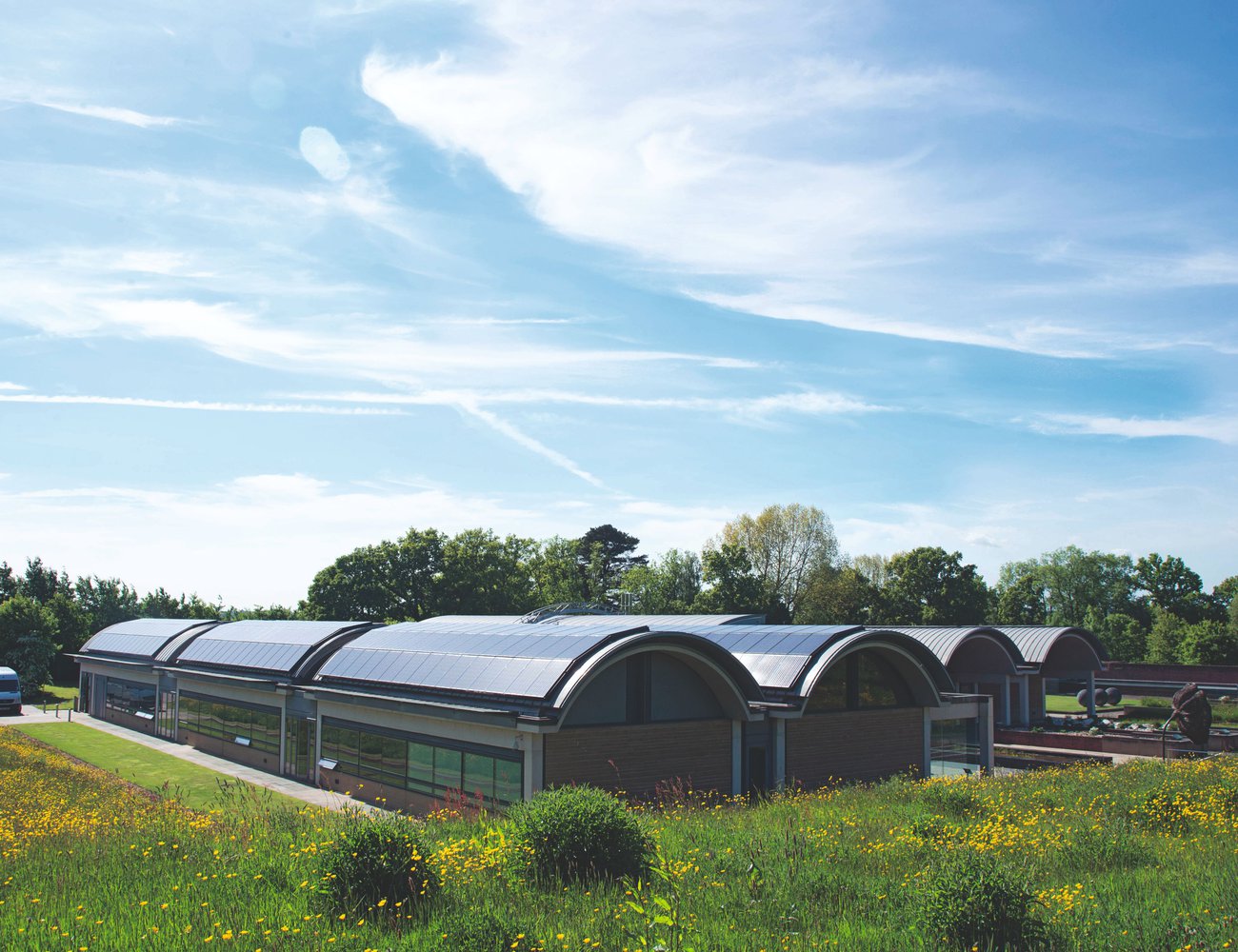
The Millennium Seed Bank at Kew Gardens safeguards wild plant seeds, supporting conservation, research and future crop resilience
What might draw that attention is another science-fiction notion: that future harvests might rise from seeds of the distant past. “If we have them, there is always the possibility of using them,” says Luis. Many historical varieties have already vanished. Humans have gathered seeds since the dawn of agriculture, but formal scientific collections began in the late 19th century and took on greater urgency during the Green Revolution, when arable landscapes were blanketed with new high-yield, disease-resistant crops.
“This meant spreading a single genotype over a wide area,” says John Dickie, Head of Seed and Lab-based Collections at the Millennium Seed Bank (MSB) in London’s Kew Gardens. “There was concern that genetic diversity would be lost to these new varieties.” At around the same time, plant biologists began to think that seeds could have “considerable longevity… tens or hundreds of years”, if kept dry and cool.
The MSB’s moisture-proof lockboxes and cryo-freezers contain dried seeds of plants now effectively extinct, including the flowering plant Interrupted Brome, formerly common to Southern English gardens but unseen in the wild since 1972. But, as with Svalbard, there’s a lending-library element to the project, by which account-holding nations make withdrawals to research or replenish crops. West African banana plantations were recently scourged by Tropical Race 4, and the MSB’s reserves of wild banana seeds have been deployed to help “breed out susceptibility to that fungus”.
“These are the nuts and bolts of conservation,” says John, “and it’s not just about biology. It’s philosophy, politics, economics. When it comes to climate change, food security, water security, there will be plant-based solutions and that is what we do.” The work isn’t always so dramatic, and his time is taken up with funding and research grants. “Public engagement can help us in that capacity,” he says.
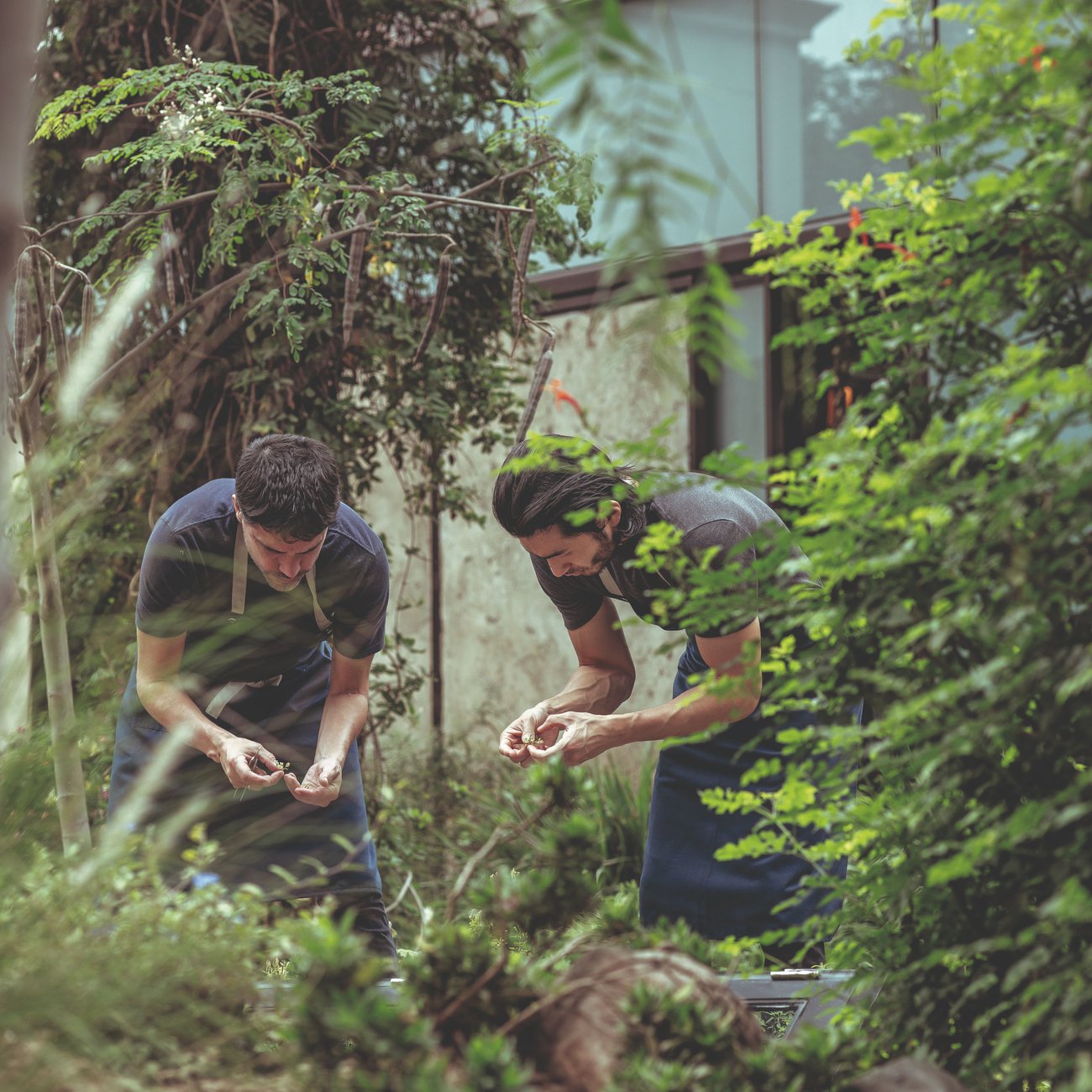
Chef Virgilio Martínez champions Peru’s biodiversity – bringing forgotten native crops and indigenous ingredients back to the table through his cooking
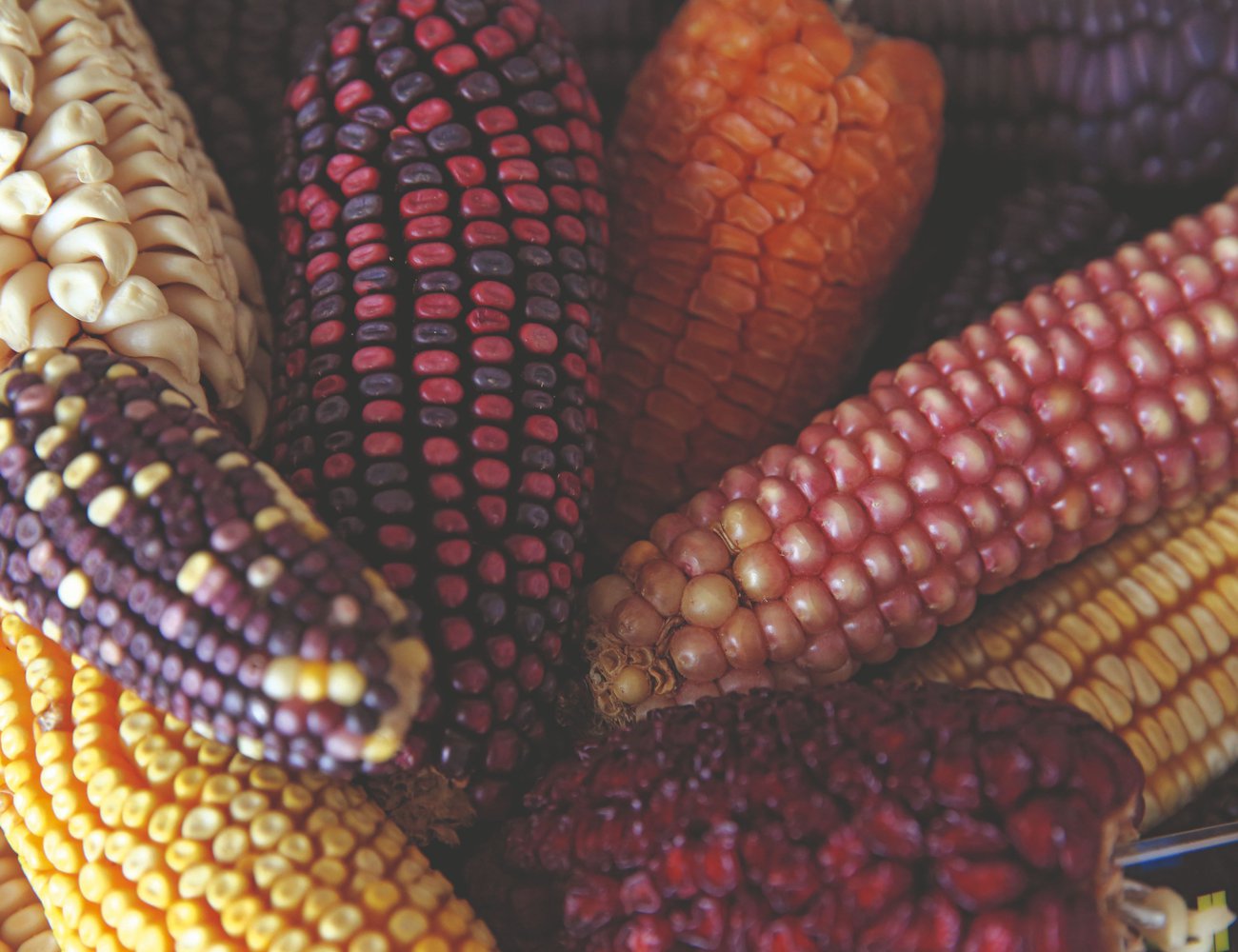
Maize varieties conserved by the International Wheat and Maize Improvement Center provide the genetic diversity needed to develop crops for a changing climate
At consumer level, people are catching on faster in some cultures. In Peru, chef Virgilio Martínez Véliz, whose Lima restaurant Central was ranked best in the world in 2023, has helped make crop diversity a subject of fascination. “We cook ecosystems,” he has said, “and there is no shortage of native ingredients to play with. We have hundreds of types of peppers, chillies, potatoes, corn, quinoa…”
Exploring his country from the Amazon basin to the upper slopes of the Andes, Virgilio’s recent activism is geared toward creating what he calls a “Perutopia”. He promotes abundance through finding rare or remote indigenous ingredients to use in his kitchen, while underlining to his diners, followers and viewers of his Netflix documentary Virgilio, how much has been lost since the time of the Incas. As to the future of food, he believes it depends on encouraging people to eat local and return to certain plant species that are now so forgotten as to taste entirely unfamiliar: “It’s very simple. It’s something we know already – going back to our roots and to nature. We have what we need in front of us, we just don’t want to see it.
“And when we accept the unease of ingesting something we have no reference for in our minds, I guess this is the basic form of learning.” Luis says much the same thing. He, too, has been to the Peruvian Andes, and seen local farmers grow 400 kinds of potatoes for their own consumption. “They know which to peel and eat in the field, which to put in water, which to put underground and cook with fire… so there’s all these culinary aspects to them, too.”
And when it comes to how one consumer can contribute toward food security, he believes it can be as simple as being curious and adventurous in your purchases. “When people travel to Japan, or India, they eat all sorts of new things in a way they don’t at home. But if you grab a recipe, find out what’s in season and use this weird vegetable grown 40 kilometres away that the supermarket is trying out to see how it sells, you’re basically helping preserve diversity.” The stakes are high, he reminds us, and the challenges are immense, “but there is also a component of enjoyment to this.”