







DAY 1
MORNING
Start your morning at La Cantine Centre The Bakery, where bread is treated with the quiet reverence Tokyo reserves for true craft. Made from Hokkaido’s prized Yumechikara wheat using hot-water and liquid-dough methods, the square loaves emerge impossibly soft and delicately chewy.
The best way to begin is with the bakery’s signature breakfast set. Choose your bread, then toast it yourself at the table. Part breakfast, part theatre, it’s become something of an Instagram favourite among Tokyo’s early risers.
A painter’s palette of jams arrives alongside – orange marmalade and creamy honey among the highlights – together with salted butters from Échiré in France and the bakery’s own Biei Farm in Hokkaido. Once you’ve had toast served piping hot on demand, anything arriving lukewarm elsewhere feels like a compromise.
From here, drift into Ginza, Tokyo’s most elegant district, built on the site of an Edo-era silver mint. Wide, tree-lined boulevards are lined with landmark department stores including Ginza Mitsukoshi, Matsuya Ginza and Wako, alongside global luxury brands and cult Japanese labels. Stop into the colourful flagship of Onitsuka Tiger – practically a rite of passage considering how much walking Tokyo demands – or lose an hour inside the beautifully designed MUJI Ginza.
Food is never far away in Ginza. At Sembikiya, perfect fruit is treated with almost obsessive care. Founded in the 19th century, the legendary fruit boutique helped shape Japan’s tradition of gifting immaculate produce. Upstairs, order the famous strawberry parfait layered with vanilla ice cream, mascarpone cream, white chocolate feuilletine and glossy strawberries grown exclusively for the company. Afterwards, browse displays of beautifully boxed fruit, sparkling fruit jellies and delicate cakes.
Just around the corner, Ginza Akebono has been crafting traditional sweets since 1948. Pick up delicate monaka (crispy wafer sweets), daifuku (soft mochi cakes) or beautifully packaged rice crackers, and if you’re visiting during cherry blossom season, don’t miss the softly salted sakura sweets.

EARLY AFTERNOON
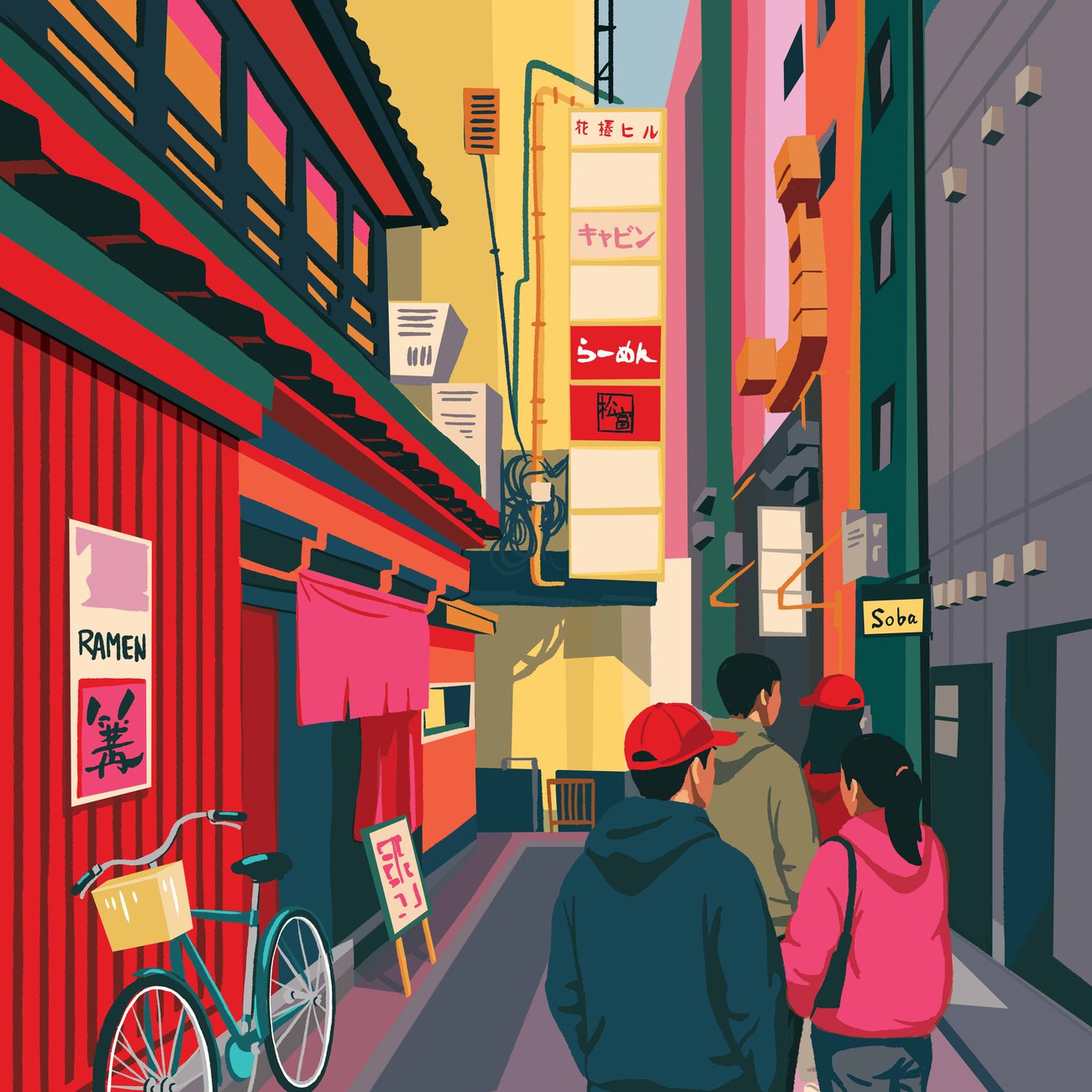
For lunch, slip down one of Ginza’s narrow back alleys to Ginza Kagari, a tiny ramen counter quietly revered across Tokyo. The queue snaking down the pavement is simply part of the ritual.
Order the celebrated tori paitan ramen – a rich, creamy chicken broth that drinks almost like velvet. Tender slices of chicken, perfectly firm noodles and seasonal vegetables bring freshness and balance, while the truffle version adds earthy depth. One slurp and suddenly you understand the crowds.
After lunch, check into the Kimpton Shinjuku, an Emirates Holidays hotel that strikes the perfect balance between Tokyo’s electric energy and somewhere to recharge. Spacious rooms, relaxed hospitality, a buzzing lobby café, and an evening social hour spilling onto the terrace make it a destination in itself.
The hotel’s Food & Beverage Director, Antoine, sums up the city perfectly: “Tokyo has been the Michelin capital of the world for more than a decade – but what really defines it is the diversity. You find cuisines, regions and sub-regions with incredible depth.”
That philosophy carries through to The District, where seasonal Japanese produce meets New York-inspired dining.
EVENING
Later, head to Ebisu, a fashionable neighbourhood where you’ll find a dense constellation of restaurants, bars and late-night izakaya.
Ushigoro Kan is where to go for premium Wagyu. Some cuts you’ll grill at your table, while prized selections including chateaubriand and delicately seared sushi are prepared by your waiter with quiet precision.
The tasting menu unfolds slowly: roasted beef tartare with sweet shrimp, melting slices of Kiwami beef tongue, sirloin grilled with Kyoto miso and maitake mushrooms, before finishing with a comforting bowl of clam and seaweed komtang noodles.
DAY 2
MORNING
Breakfast back at The District is worth lingering over. Plates of fresh Japanese fruit, Kobashi Farm poached eggs with Murakami sausage and sakura wood-smoked bacon arrive alongside pastries and freshly baked breads, while green juices blend spinach, shiso, peach and mango. Seasonality guides everything here.
Then, head to Nezu Shrine, one of Tokyo’s oldest and most beautiful sanctuaries. Dating back to 1706, it’s famous for its vermilion torii gates, Edo-period architecture and omikuji fortunes said to bring good luck.
It was here that we met Mariko, the local guide arranged by Emirates Holidays, whose love of Tokyo proved infectious. A passionate foodie who has even studied cooking with a Zen monk, she knew exactly where to linger, what to taste and the stories hidden behind every neighbourhood. With our driver Mr Oka quietly navigating Tokyo’s maze of streets between stops, exploring a city of this scale felt surprisingly effortless.
From Nezu, Mariko led us north into nostalgic Yanaka Ginza, one of Tokyo’s last remaining shitamachi neighbourhoods, where bakeries, sweet shops and tiny snack stalls reveal a slower, more traditional side of the city. As we wandered, she introduced us to some of her favourite local stops – Yanaka Senbei, where rice crackers have been grilled over charcoal since 1913; Waguriya, renowned for elegant Mont Blanc desserts crowned with silky chestnut purée; and finally Bakery Hitotema, where the anpan and fragrant curry pan draw loyal locals, although it’s the blueberry and ricotta pastry that’s worth making a detour for.
AFTERNOON
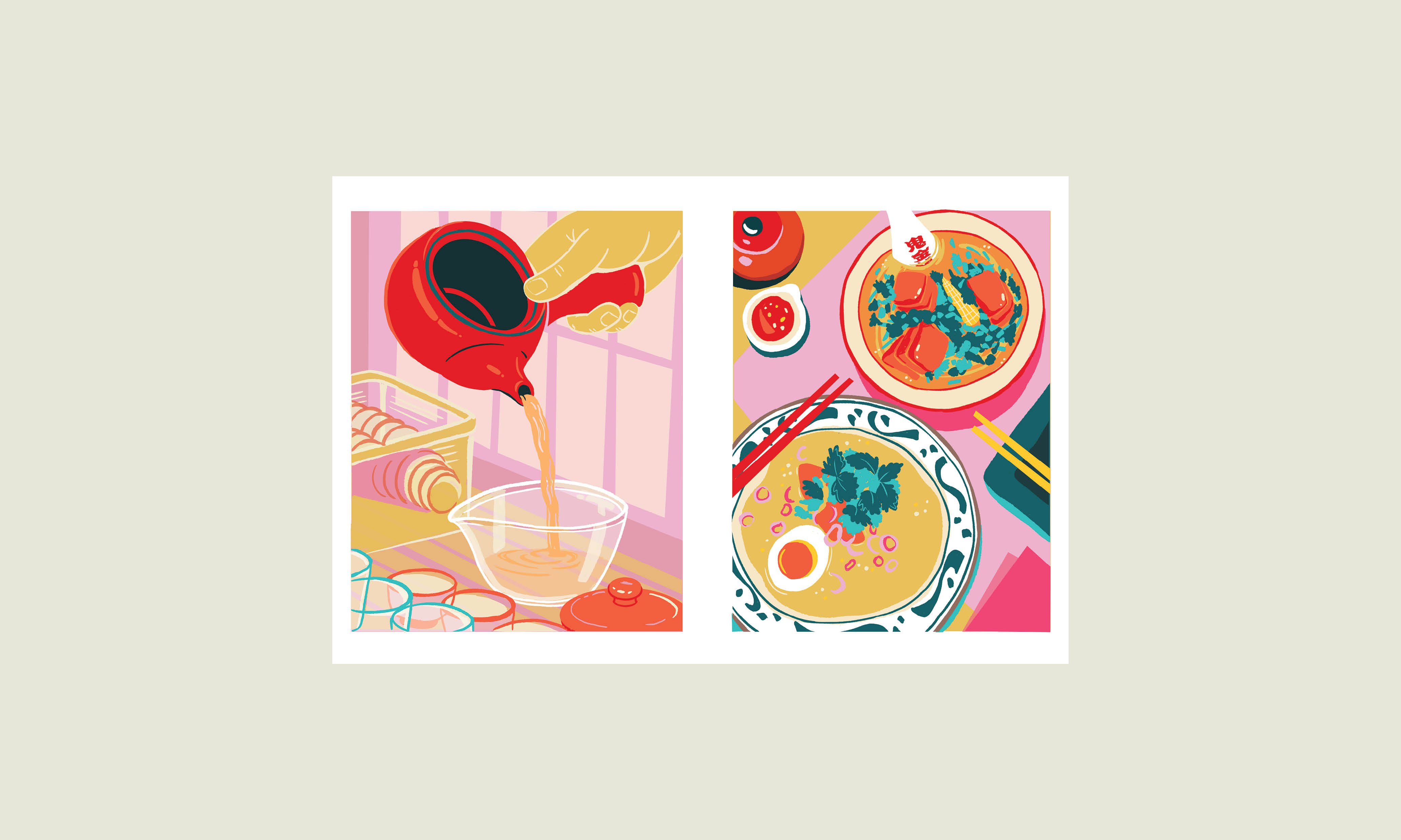
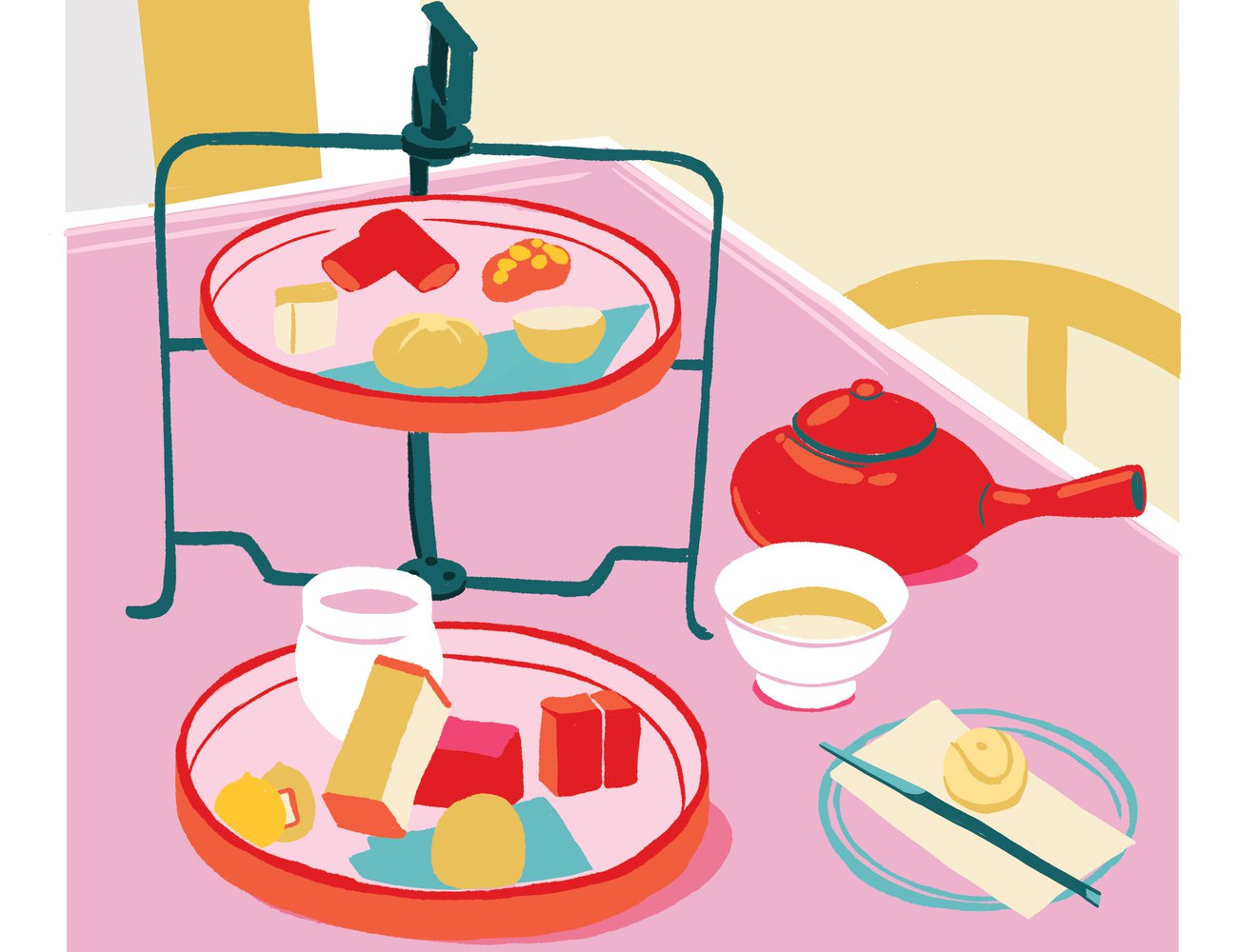
For a late lunch, return to Ginza for one of Tokyo’s most elegant tea experiences at Higashiya. Here, two beautifully presented trays – one savoury, one sweet – arrive alongside a progression of teas from Saboe.
A seasonal fermented bancha is followed by a deeper, smoky Kyoto bancha, paired with yuzu-glazed inari sushi, sesame tofu and delicate Japanese omelette. To finish, a fragrant seasonal strawberry tea accompanies exquisite wagashi – jewel-like sweets including yuzu jellies, airy sponge cake, mini cheesecakes and dates filled with fermented butter and roasted walnuts.
Round off the afternoon at Shinjuku Gyoen, one of Tokyo’s most beautiful parks. Before heading in, stop by one of the city’s famous depachika food halls – Isetan and Takashimaya are favourites – to gather an effortless picnic of immaculate sushi, smoky yakitori, crisp salads and beautifully packaged sweets.

IF YOU HAVE LONGER…
By now you’ll realise 48 hours is nowhere near enough time for Tokyo. And if you’re able to extend your stay, two unforgettable culinary experiences reveal even more of Japan’s extraordinary food culture.
The first is a hands-on sushi masterclass with chef Noguchi at Sushi Honten Noboru, above the century-old Tsukiji Tama Sushi. After grating fresh mountain-grown wasabi on traditional sharkskin, you’ll learn the delicate art of shaping nigiri with medium-fatty tuna, lean tuna, salmon, mackerel and tiger shrimp. Chef Noguchi insists great sushi is all about a gentle touch. A highlight is crafting a hand roll filled with baby sardines, shiso, sesame and olive oil, wrapped in crisp seaweed, before sitting down to enjoy your creations and leaving with a certificate declaring you a sushi master.
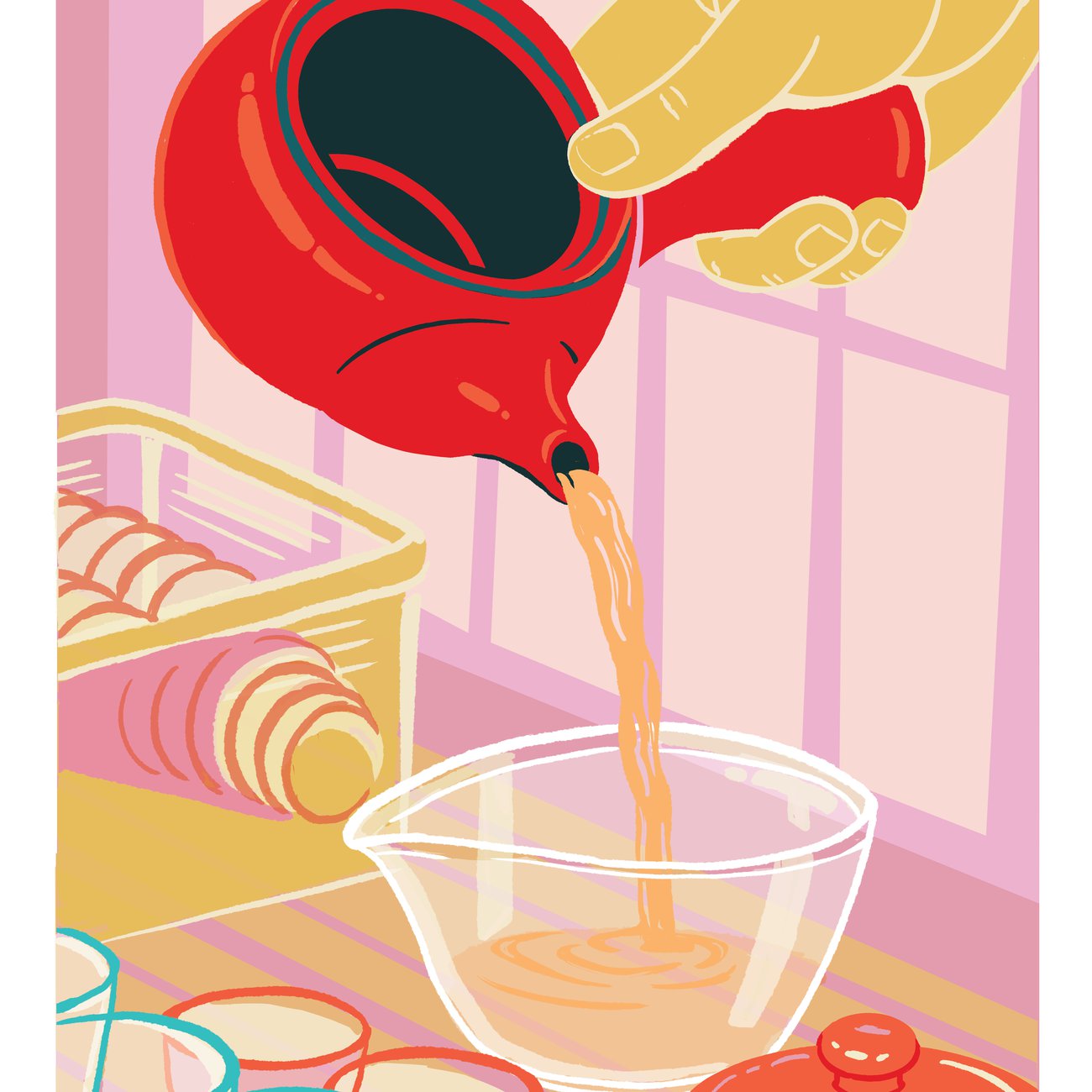
For a change of pace, head to Shizuoka, Japan’s celebrated tea region, just over an hour from Tokyo on the Shinkansen. At Hyogetsutei Tea Room at Gyokuro no Sato, surrounded by rolling tea plantations, a traditional matcha ceremony offers a peaceful introduction to one of Japan’s most treasured rituals. Afterwards, a nearby tea masterclass and seasonal lunch of delicate vegetables, sashimi and fragrant rice reveal the remarkable breadth of Japanese tea, each course paired with a different variety. Silky, shade-grown gyokuro delivers deep umami notes, fragrant Machiko brings delicate floral aromas, while roasted hōjicha and Japanese black tea offer richer, more robust flavours. There’s even the opportunity to sample the freshly brewed tea leaves themselves. As the tea master pours the final drops into each cup, he smiles: “The last drop is the best. We call it the golden drop – it holds the deepest flavour.”
THE LAST SUPPER
Before heading to Haneda Airport for your Emirates flight home, there’s just enough time for one final meal.
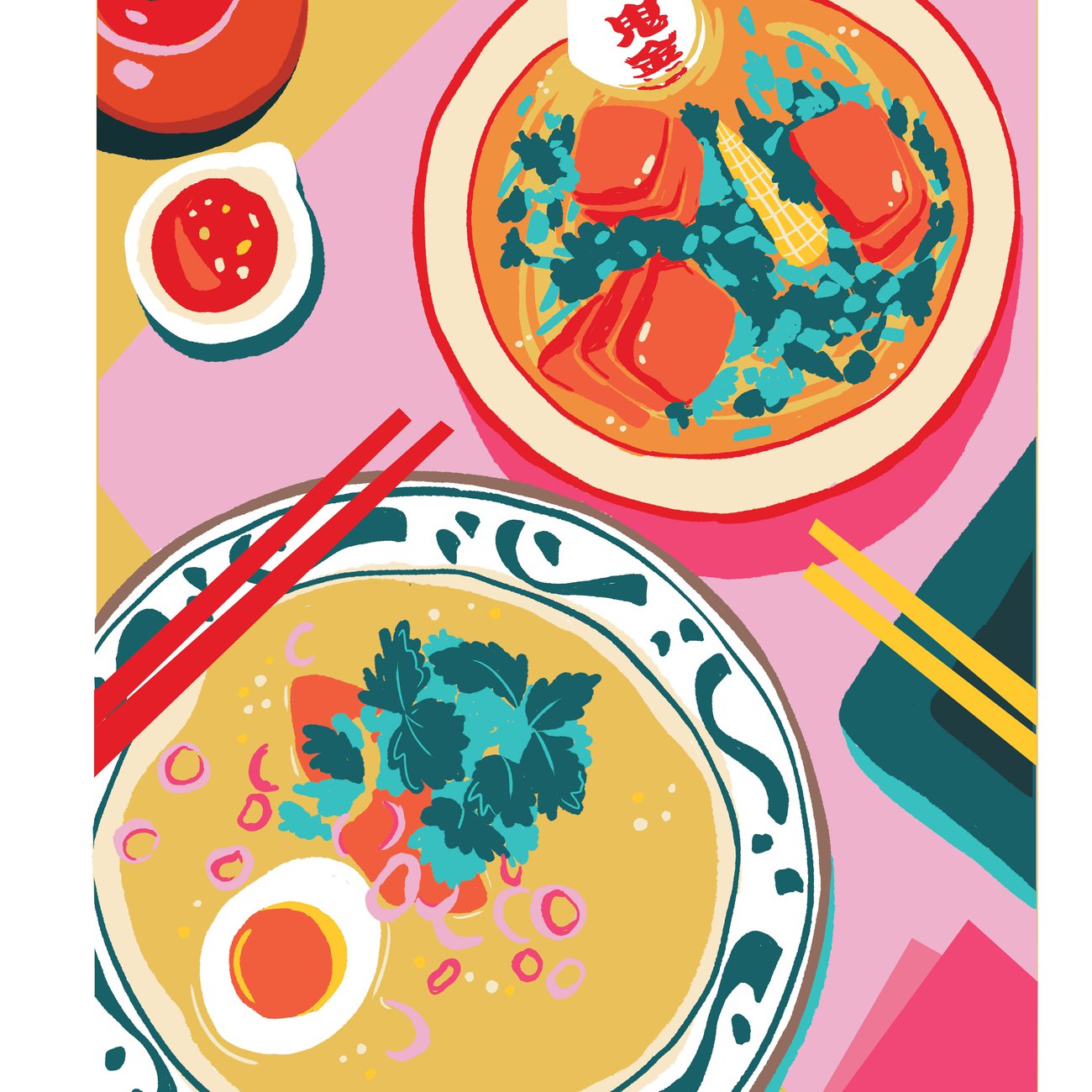
If comfort food is calling, seek out Udon Shin – a tiny neighbourhood restaurant in Shibuya serving one of Tokyo’s most indulgent bowls: carbonara udon. Thick, springy wheat noodles are topped with grated cheese, a silky soft-boiled egg and a generous slice of meat tempura, creating an unexpected Japanese take on an Italian classic. Or, for one last unforgettable bowl of ramen, join the queue at Karashibi Miso Ramen Kikanbo in Kanda. Inside, taiko drums pound as bowls of rich miso broth arrive blazing with chilli heat and the numbing tingle of sansho pepper, tangled with chewy noodles, tender meat, bean sprouts and fresh coriander. Fiery, theatrical and unforgettable, it’s the perfect final taste of Tokyo before boarding the plane.

Get in touch
Plan your Tokyo foodie itinerary with Emirates Holidays, from flights and private transfers to expert local guides, bespoke culinary experiences and a stylish stay at the Kimpton Shinjuku.
For more information, visit emiratesholidays.com