



King Charles VI did not achieve much of a lasting significance in his long and turbulent reign over medieval France. A few modest early successes were mostly undone by later bouts of psychosis that once caused him to attack his own troops. Dairy farmers, cheesemongers and lovers of fine foods still hold a place in their hearts for “Charles the Mad”, however, as he was also the first ruler to pay proper respect and attention to the regional produce of his domain.
His charter of 1411 gave exclusive rights to the artisans of Roquefort-sur-Soulzon as officially licensed makers of that commune’s distinctive blue sheep’s cheese, matured in caves outside the village. Since known as “King of Cheeses”, Roquefort might be considered the abiding ancestor of what we now call Protected Designation of Origin (PDO): the modern system that extends similar rules and regulations to a wealth of products across the European Union.
Meats, breads, butters, honeys, oils, nuts, tomatoes, potatoes, spices such as saffron and paprika… from the vineyards of central Spain to the fisheries of coastal Sweden, an ever-growing continental bounty of comestibles has come under PDO protection since the programme was introduced in 1992 (soon after the Maastricht Treaty brought the EU itself into existence).
In France alone, some 700 regional delicacies now bear that stamp of approval, which effectively assures the buyer that these items were made a certain way, in a certain place and to a certain standard. “PDO is above all a framework that defines the product itself,” says Julia De Castro of the French National Council for Dairy Designations of Origin (CNAOL).
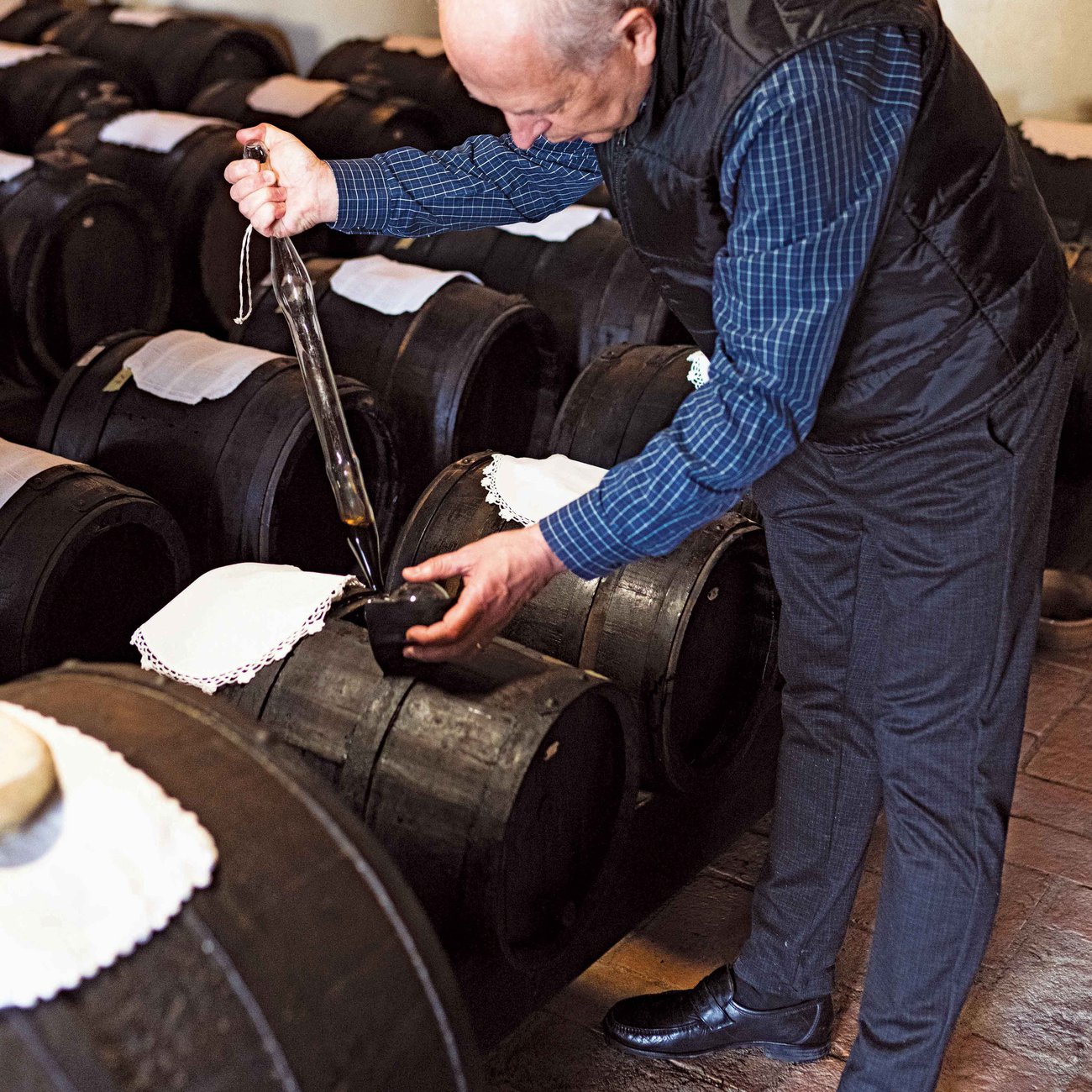
Every barrel of traditional balsamic vinegar is monitored as it matures, preserving the authenticity and production methods protected under PDO
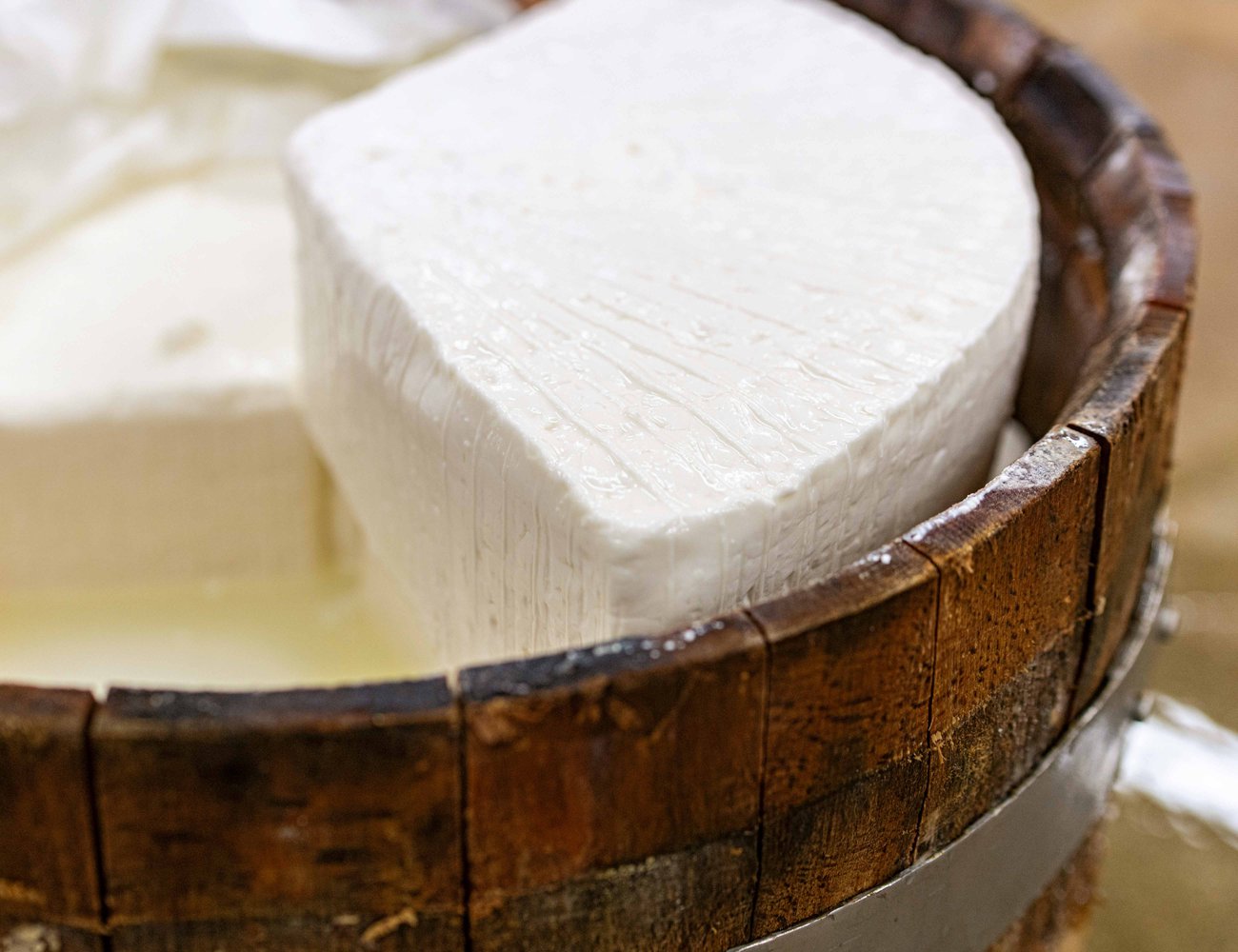
Spinneys producer Roussas still matures its feta in beechwood barrels, crafted by the few remaining artisanal coopers of Anillo village, balancing ancient traditions with modern production
“It sets out strict specifications regarding origin, raw materials, farming practices and production methods, which ensures that the product remains genuinely linked to its terroir and to local know-how.” In a way, and especially in the context of Gallic dairy culture, the EU has essentially adopted a concept that dates right back to the first royal seals stamped on wheels of Roquefort.
“PDO is the modern continuation of a long French tradition,” says Julia. “Many regional cheeses have been governed for centuries by local customs, written rules and collective standards agreed between producers. The idea that a cheese must be made in a specific way, from milk produced locally and according to shared practices, is deeply rooted in French rural history. So, the PDO system did not impose something artificial; it formalised and protected something that already existed… a collective cultural heritage.”
Before 1992, she admits, the situation was somewhat “fragmented”, across regional and national borders. Growers and sellers in distinct geographic areas had their own problems assuring customers of quality and authenticity, especially where less scrupulous operators were selling cheap and inferior knock-offs of the real thing.
Across the Med in Greece, for example, not everyone was abiding by the ancient recipes. According to Greek legend, that food had been a gift to mortals from the gods of Mount Olympus, and the long tradition of nomadic Sarakatsani farmers had dictated that feta be formulated on a baseline ratio of 70% sheep’s milk to 30% goat’s milk. Before the PDO system was introduced, however, “some producers were even making it with cow’s milk and still calling it feta,” says Yannis Terpitsas, business development manager for Roussas Dairy in Thessaly – a family business directly descended from tribal shepherds.
This is not to say that those percentages were ever set in stone. While PDO rules allow for up to 35% goat milk in the mix, the Roussas keep theirs down to about 7%, having found that it makes the feta less sour and more agreeable on the palate, and easier to sell for that reason, especially in markets unused to the taste.
And while they still stick to what Yannis calls the “ancient ways” as far as possible when manufacturing at industrial scale, PDO doesn’t bind producers to the past either, especially when it comes to today’s rigorous hygiene and safety standards.
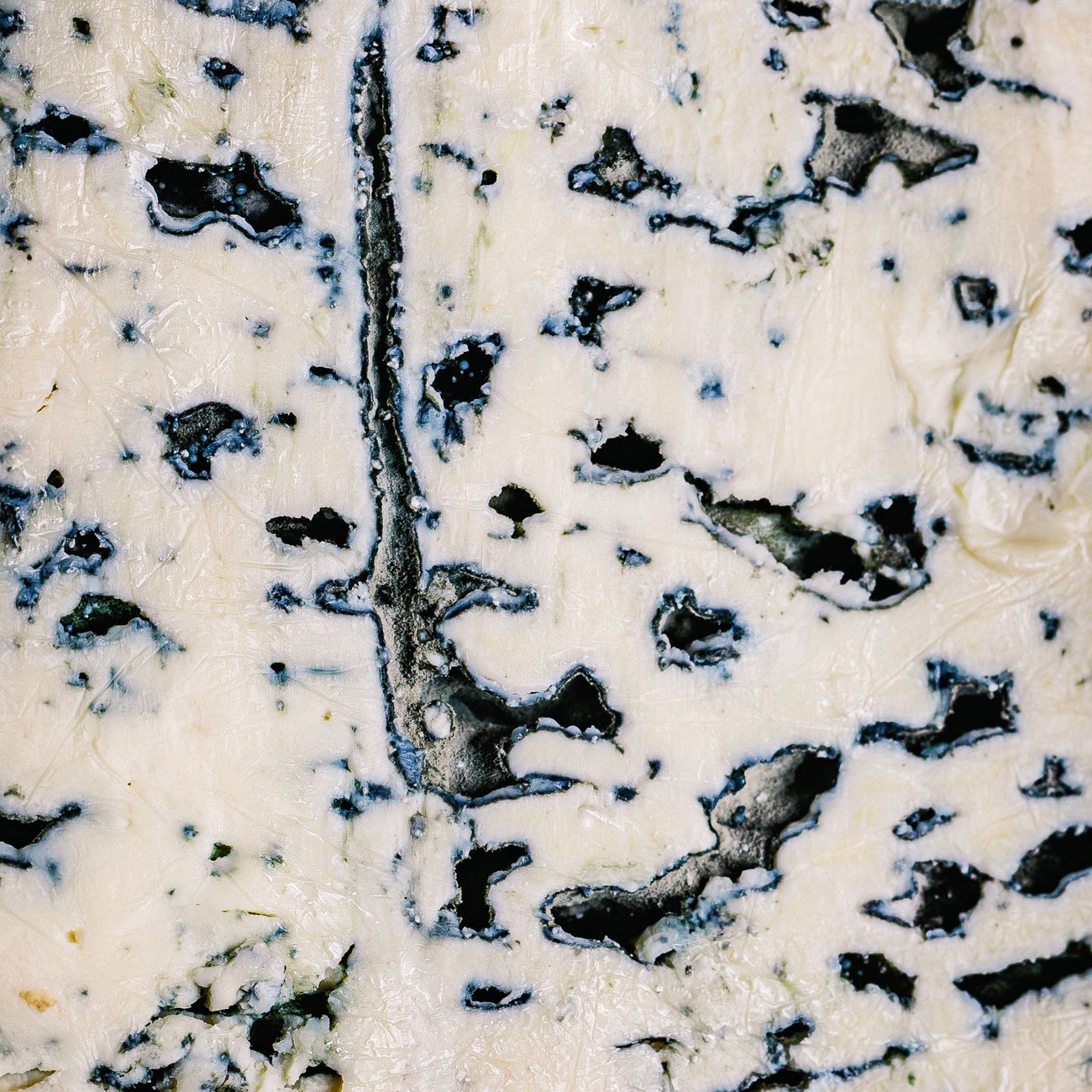
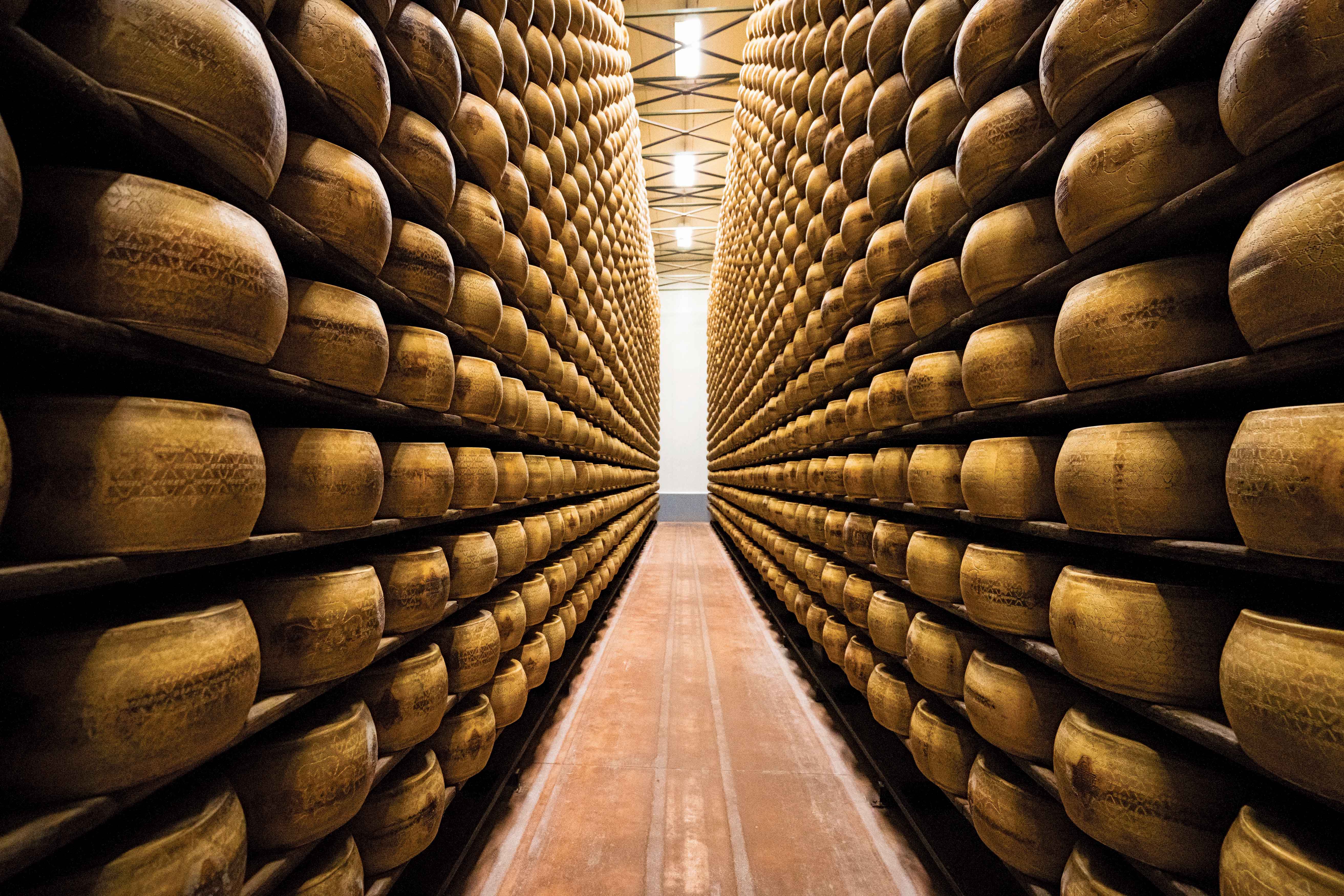
Roquefort’s royal charter of 1411 granted exclusive production rights to local cheesemakers, laying the foundations for what would become today’s Protected Designation of Origin (PDO) system
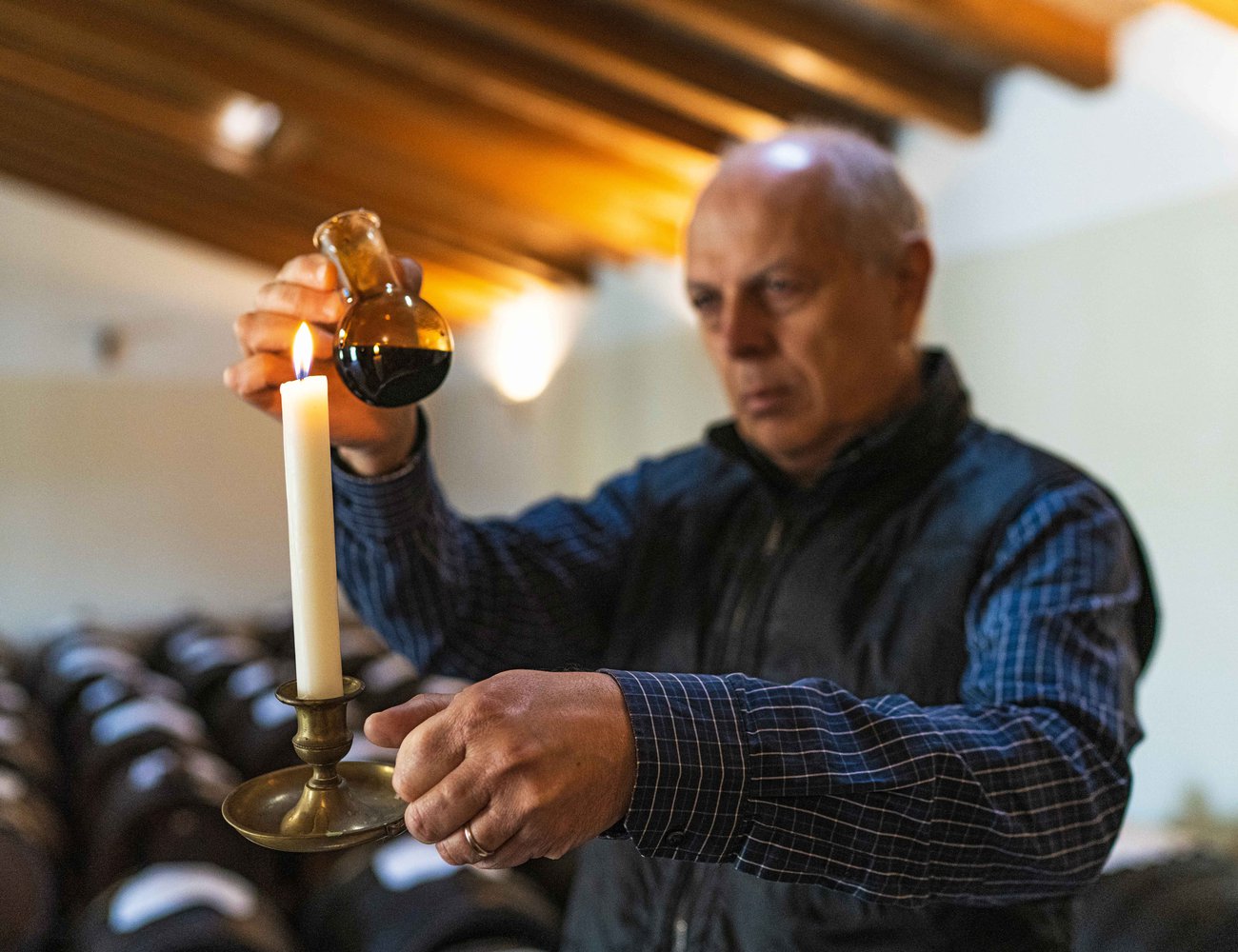
Traditional balsamic vinegar is aged in residue-rich batteria – sets of barrels made from woods including oak, chestnut and juniper, each helping shape its distinctive character
“Traditional methods and modern technology do not exclude each other,” he says. “Automation can often replicate the old handmade processes essential to PDO products, as we have done by use of automatic coagulation in our feta-making.”
As Yannis sees it, the system ensures that the cheese remains essentially the same, even as the tools of the trade keep changing with the times. And so, the Roussas still mature their feta in beechwood barrels supplied by the few remaining artisanal coopers of Anillo village, high in the Pindus Mountains, while also deploying state-of-the-art pasteurisation units, sustainable packaging tech and a fleet of trucks with chilled container tanks for transporting sheep’s milk.
“Feta and Greece are synonymous,” says Yannis. “And provenance is a key driver of consumer choice. PDO clearly safeguards this.” In his business, he has found that 30-plus years of the PDO system have educated shoppers to look for the corresponding label “as a mark of authenticity”. This is not necessarily the case for every product that bears the same stamp.
Take the balsamic vinegar of Modena, Italy, for example, which is home-brewed in wood barrels across the rooftops of the city, using grapes drawn from the surrounding vineyards of the Emilia-Romagna region. PDO status was awarded to the delicacy in 2000, along with the slightly less stringent certification PGI (Protected Geographical Indication), which often allows at least one part of the production process to occur outside the designated area.
According to Enrico Gatti, export manager of Grupo Olitalia, “the former remains something of a niche corner of the market, while the latter is more commonly seen on the shelves.” The average shopper, however, doesn’t really seem to know or care about the difference.
“Certification is certainly a guarantee for consumers in terms of origin and production methods,” says Enrico, “but unfortunately ignorance on the subject is quite widespread.” Even so, Olitalia has since built a hugely successful modern brand on ancient artisanal traditions – the Roman Empire had medicinal uses for boiled vinegar and balsamic became a symbol of family wealth in medieval Modena, often gifted in the dowries of aristocratic brides.

The coopers of Anillo village continue to hand-build the beechwood barrels essential to the traditional maturation of authentic Greek feta
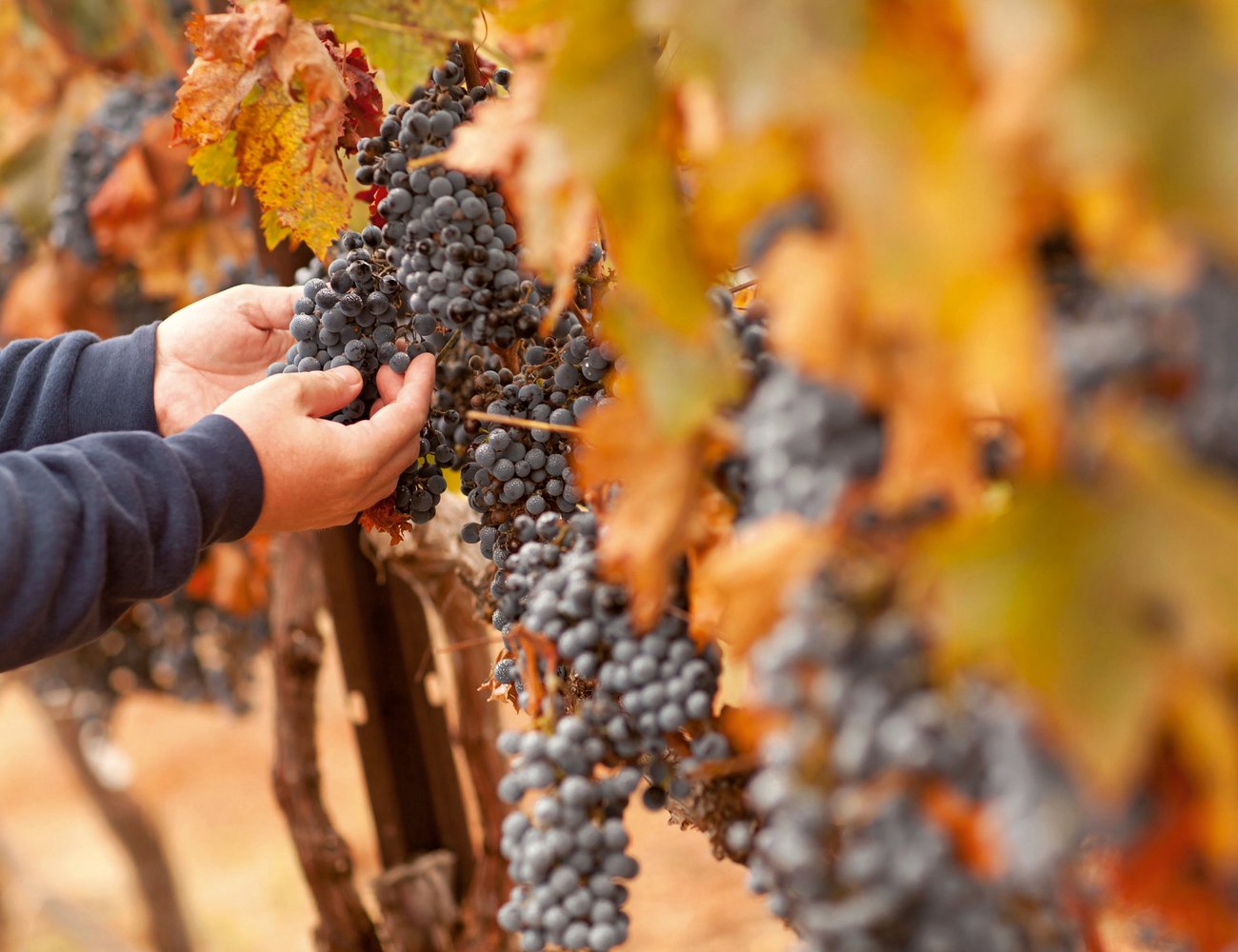
Traditional balsamic vinegar can only be made using the must of Trebbiano, Lambrusco or Ancellotta grapes
PDO now enshrines the specific concoction as using only the “must” of Trebbiano, Lambrusco or Ancellotta grapes, which are crushed and juiced before boiling to concentrations between 30% and 50%, and then aged in residue-rich barrels known as batteria, of varying sizes and wood types – oak, chestnut, juniper. “Aficionados, and especially chefs, will accept nothing less, and it’s a lot harder to fake the good stuff than it used to be,” says Enrico.
“PDO balsamic vinegar is exclusively packaged in Giugiaro bottles by the consortium, and each has a unique guarantee seal that makes fraud and counterfeiting more easy to detect than with other products.” It may well be that Spinneys customers are especially attuned to the question of where their food is coming from, as so many residents of the UAE were born and raised abroad, and are so often shopping for favourites sourced straight from their own homelands.
The Spinneysfood selection is duly abundant in PDO products and similarly origin-focused goods, while the wider range extends to English clotted cream, South African rooibos and Vietnamese fish sauce. The European Union is not the only territory to respect and protect its own wares in the global marketplace of course, and other corners of the world have somewhat comparable systems in effect. PDO is something special though, says CNAOL’s Julia, listing off its benefits to “rural economies, sustainable farming models, biodiversity and the transmission of traditional skills”. She adds, “It’s not only about taste, it’s about meaning and responsibility.”
From an EU perspective, she continues, the system has given rise to a kind of positive paradox, in that sharing regulations across many member states has also strengthened each individually. “By building a common framework, it helps protect local identity.” And this can only mean more of course, in such a globalised world.
“Yes, and this may be PDO’s most important role today. In a food system where products can feel anonymous, PDO reconnects consumers with the idea of provenance. It reminds them that food is not just a commodity: it comes from a place, a landscape, a climate, a farm, a people.”